
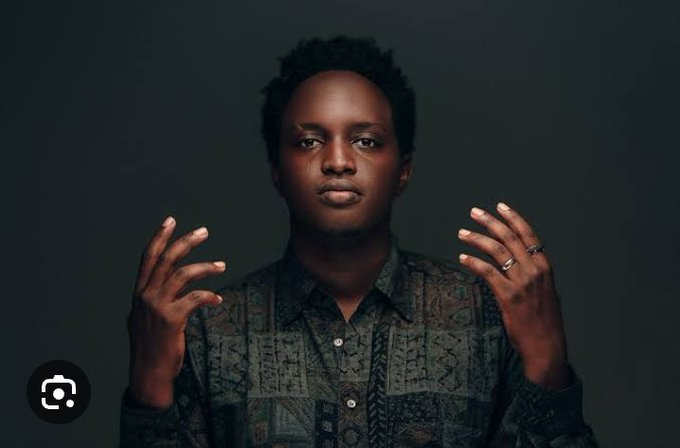
Ugandan singer Joshua Baraka has spoken out about his decision to ban video recordings at his father’s burial, saying he could not bear the thought of seeing images of his father’s casket circulating online for views and social media engagement.
In an emotional post on X, the “Morocco” singer directly criticized individuals who filmed parts of the funeral, accusing some of prioritizing clout over respect for a grieving family.
“I couldn’t stand the thought of scrolling the internet and seeing my father’s casket in the grave. That’s why no videos were allowed at the burial. You can spin it how you want. God will forgive you for the things you do for clout.”, he noted.
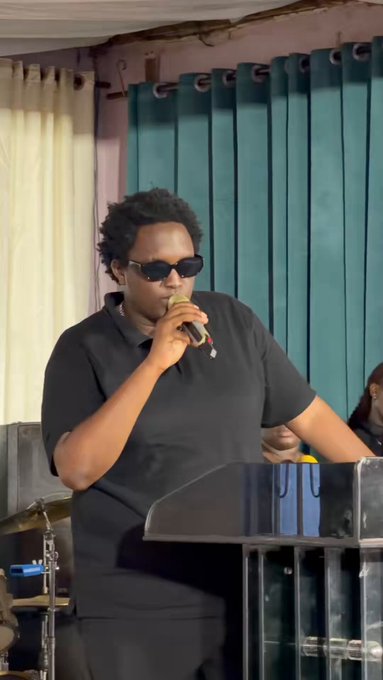
His statement came in response to incidents that reportedly included a TikTok livestream from the burial and commentary from content creators, sparking widespread discussion across social media platforms.
The singer’s remarks were met with overwhelming support from fans and fellow Ugandans, many of whom argued that funerals should remain private family moments rather than becoming content for online audiences.
The conversation quickly evolved into a broader debate about the growing trend of filming funerals, mourning ceremonies, and other deeply personal moments for social media engagement.
Many users agreed with Baraka’s stance, saying families should be allowed to grieve with dignity without worrying about cameras, livestreams, or viral clips.
Baraka’s father, Pastor Lawrence Okello Habalu, passed away on June 7, 2026, at the age of 57 after an illness.
A requiem mass was held on June 8 at the Church of God in Kamwokya, bringing together family members, friends, church leaders, and members of Uganda’s entertainment industry, including and .
He was later laid to rest in Bugolole, Kitimbwa, Kayunga District.
Throughout the mourning period, Baraka openly shared his grief online, while his girlfriend, , thanked supporters who stood with the family during what she described as one of the most difficult moments of their lives.
The controversy has reignited discussions about the boundaries of content creation and the ethics of filming private moments of loss.
For many Ugandans, Baraka’s message has become a powerful reminder that not every moment belongs on the internet and that dignity, respect, and compassion should come before views, likes, and viral attention.