

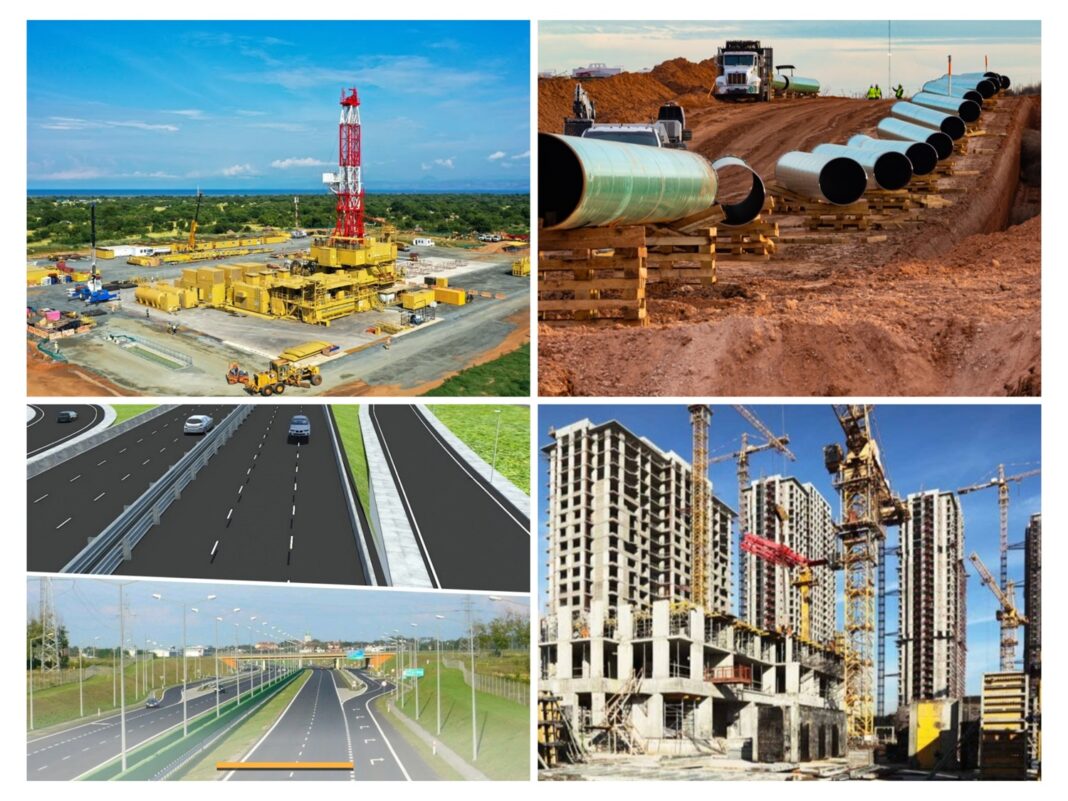
Uganda is currently at the point of major transformation in 2026. The transformation is driven by massive infrastructure investments and capital inflows, both public and private, all tied to the long-awaited first oil production in mid-2026, regional connectivity and Vision 2040 goals. Over $15B has been invested in oil and gas alone to construct refineries at Tilenga and Kingfisher, the East Africa Crude Oil Pipeline (EACOP), airport construction and upgrades, rail upgrades and many projects.
While oil is the catalyst for these mega infrastructure projects in Uganda, transport infrastructure and aviation facilities are reshaping connectivity in the country.
These projects not only provide jobs to the local population and expatriates but also increase Foreign Direct Investment (FDI), boost trade, open up new opportunities, increase diversification, solve balance of payment problems by increasing exports, while at the same time implementing the import substitution strategy, and directly impact Gross Domestic Product (GDP).
The EACOP project is at 79% complete as of March 2026, according to a report from the Minister of Energy, Uganda Hon. Ruth Nankabirwa, with oil fields nearing completion as Uganda expects to receive its first oil in July 2026. With major investment in transport infrastructure, these five projects stand out for their scale, strategic importance, and potential to reshape the economic landscape of Uganda forever. Our analysis below focuses on the status, costs, impact and challenges of these projects.
1. East African Crude Oil Pipeline (EACOP)
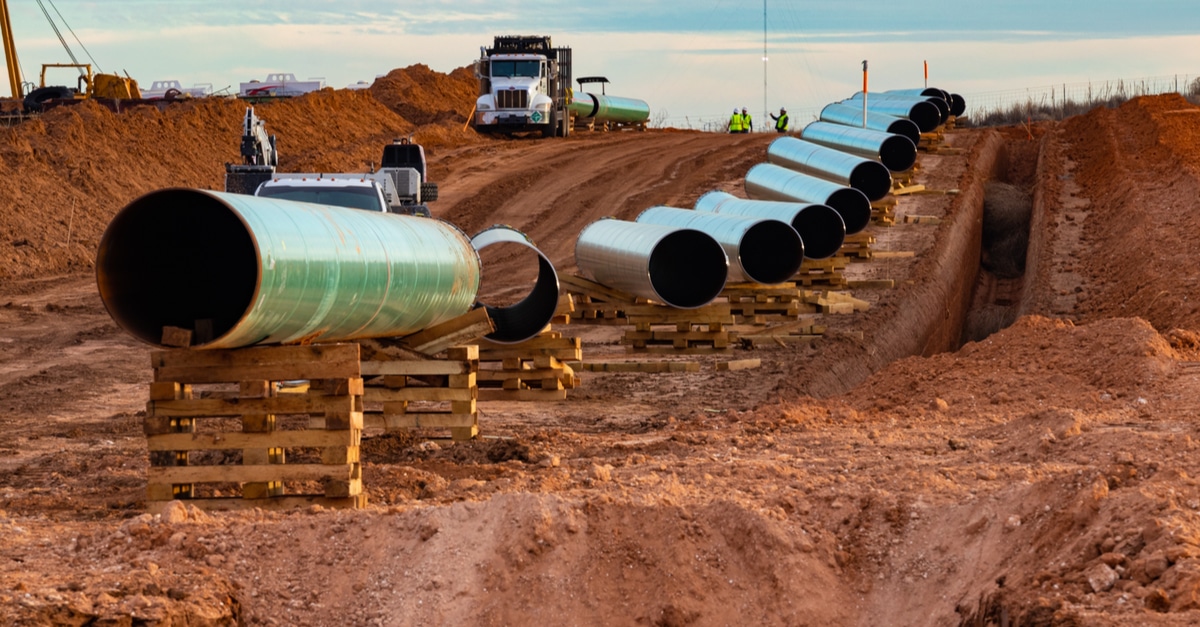
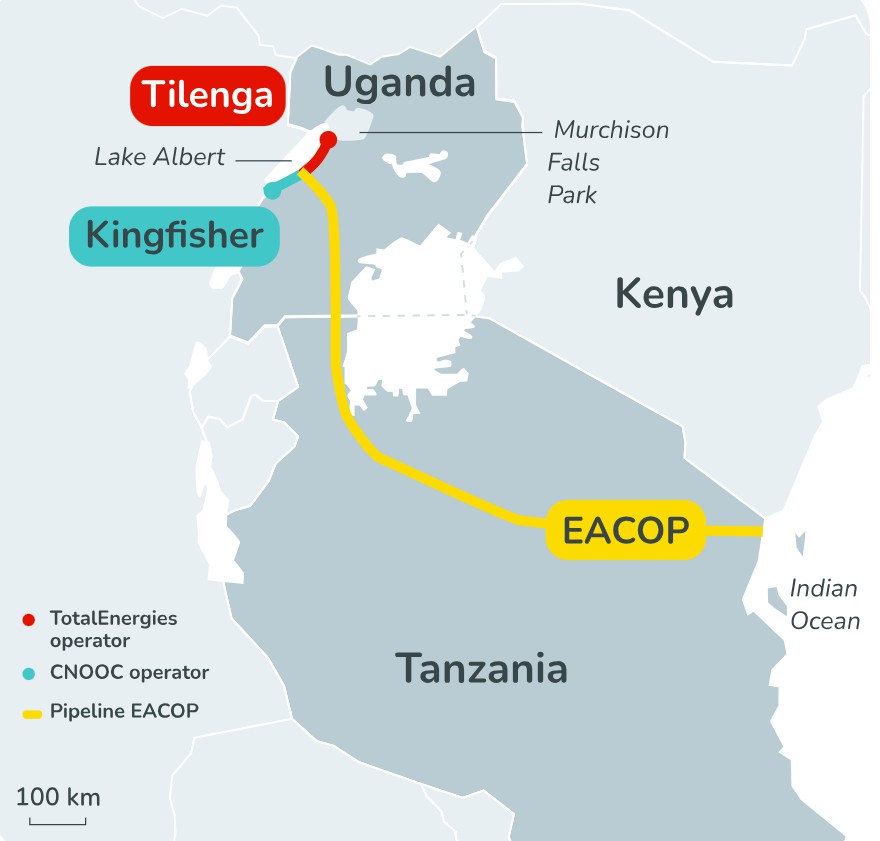
The East African Crude Oil Pipeline (EACOP) is a 1443km buried pipeline from Kabaale in Hoima, Western Uganda, to Tanga Port in Tanzania on the Indian Ocean coast. EACOP is the country’s most ambitious mega infrastructure project since Uganda’s independence. With the estimated cost at $5.6B, up from the original $3.6B, it is the most expensive infrastructural project Uganda has ever undertaken.
The project is intended to transport Uganda’s crude oil from the Albertine Basin to Tanga port for refining and export.
Timeline
Construction was expected to begin in late 2016 but was postponed to January 2017, then to 2020 and finally started in 2021 after the signing of the agreement between the government of Uganda, Tanzania and key funders Total Energies and China National Offshore Oil Company – CNOOC.
As of September 2024, The Citizen Tanzania reported that the project’s progress was at 47%, while in March 2025, progress was reported at 50%.
As of January 2026, the project’s progress was reported at 79% inline with the government’s plan to welcome the first oil in July 2026.
Construction Costs and Ownership
The cost of the project was initially projected to be $3.5Bn but later shot to $5B by 2021. In 2025 July, the East African reported that costs had further increased to $5.6B, quoting a top Tanzanian minister.
‘“The construction of EACOP… is currently at 65% and will cost… $5.65 billion,” adding that “the project is expected to be completed in July 2026,” according to James Mataragio, Tanzania’s deputy permanent secretary in the Ministry of Energy.’
Ownership of EACOP Project
| Stakeholder | Ownership Share |
|---|---|
| Total Energies | 62% |
| Government of Uganda | 15% |
| Government of Tanzania | 15% |
| CNOOC | 8% |
How EACOP will change the economic landscape of Uganda
The East African Crude Oil Pipeline project has significantly increased Foreign Direct Investment (FDI) in Uganda. In the EACOP alone, $5.6B has been invested in the project shared between Uganda and Tanzania.
The pipeline enables the production of oil, which has further called for investment in the sector. The oil sector, at its peak, is expected to increase Uganda’s GDP by two percentage points. The pipeline is expected to discharge 216,000 barrels per day.
The pipeline additionally calls for better roads along the pipelines and communication cables, which opens the central corridor, which has long been ignored. Uganda will no longer solely rely on the northern corridor (Mombasa port) for imports and exports, but also on the Tanga port, which opens new opportunities and increases regional cooperation.
Over 8000 people in both Uganda and Tanzania are employed in the EACOP. The project is providing employment and also helping in capacity building, helping Ugandans to acquire skills and expertise in the oil sector.
Challenges and Legal Disputes
The EACOP project, as good as it is, is also accompanied by the opportunity costs, the legal constraints that have not only hindered its progress but also raised questions about the feasibility and environmental impact of the project.
The pipeline crosses through sensitive habitats, which include Murchison Falls National Park and various wetlands. The risk of oil spills could harm the ecosystem and cause irreparable damage. The pipeline crosses through the Lake Victoria basin, raising serious concerns of contamination. Many environmental groups, like Greenpeace and Friends of Earth, have criticised the project for its potential environmental damage. Nevertheless, EACOP boasts of the use of fibre optic cables, which help detect unstable soil movements to combat landslides, temperature differences to detect leakages and exposure and potential intrusion as countermeasures.
EACOP is expected to emit 379 million tonnes of carbon dioxide during 25 years of operation, according to a report from Climate Accountability Institute, which makes it face criticism from anti-climate change activists. Arguments have been raised calling the project a major blow to global climate targets such as the Paris Agreement, and thus, banks and investors, especially Total Energies, have been pressured not to finance the project. A few international banks bowed out of the project, and developers were forced to look for alternatives.
Communities along the route faced forced displacements to pave the way for the pipeline, affecting people’s social lives and economic activities. Land acquisition disputes and compensation concerns were common among farmers and residents along EACOP’s way.
Legal cases in the European courts were opened by activists and NGOs against companies involved in the development of the EACOP project.
Verdict on East African Pipeline Project.
When completed, the EACOP will have a lasting impact on the economy of Uganda. The project will see Uganda start exporting its oil and oil products, which will boost the economy of the country. The areas of the Albert region will be opened to many opportunities, while government revenue is expected to grow by at least 7 trillion per annum as a result of oil.
2. Tilenga and Kingfisher Oil Projects
The Tilenga and Kingfisher are the two main upstream oil developments in Western Uganda. The two projects form part of the Lake Albert oil development. They are expected to produce a combined 230,000 barrels per day at their peak, and combined, they have attracted over $10B in investment.
The two projects are jointly developed by Total Energies, CNOOC and Uganda through Uganda National Oil Company (UNOC)
Tilenga: Overview
Tilenga is located in the Buliisa and Nwoya districts on the lake Albert. The project includes the development of six fields and the drilling of around 400 wells from 29 locations. It is expected to produce 190,000 barrels per day.
According to Total Energies, drilled oil will be piped to Kasenyi for treatment to separate and treat fluids, oil, water and gas, with water being reinjected in the fields while gas will be used to generate electricity for the plant, with the surplus sold to the national grid.
Kingfisher: Overview
Located in the Southeast of Lake Albert, Kingfisher Development Area (KFDA) is one of Uganda’s key oil and gas projects. The name is derived from a fish-eating bird-Kingfisher– common in the area. It is located in Kikuube district.
Kingfisher is projected to produce 40,000 barrels of oil every day.
Progress of Tilenga and Kingfisher.
The two projects are projected to be completed in July 2026 to enable the timeline of first oil production.
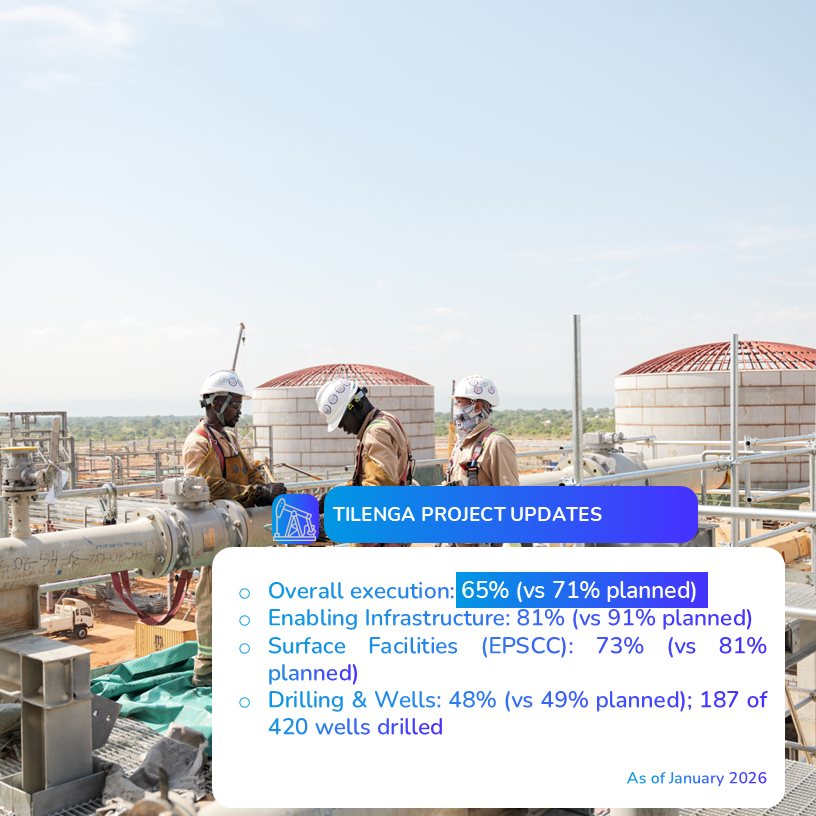
Overall execution is reported at 65% as of March 2026, which is behind the planned 71% by March. With enabling infrastructure progress at 81%, also behind the planned 91% at this time, Surface facilities are at 75% behind the scheduled 81% and drilling wells are at 48% behind the scheduled 49%.
Project Ownership
Tilenga and King Fisher Projects are owned by Total Energies, China National Offshore Oil Company (CNOOC) and Uganda National Oil Company (UNOC).
Ownership of Tilenga & Kingfisher Oil Projects
| Stakeholder | Ownership Share |
|---|---|
| TotalEnergies | 56.7% |
| CNOOC | 28.3% |
| UNOC | 15% |
How Tilenga and Kingfisher Oil Projects will transform Uganda’s economy
The two projects will be two game changers in the economy of Uganda. In a project whose life is projected to be 25 years, billions of dollars will be injected into the economy of the country.
The project will increase government revenue through royalties, taxes, profit sharing and dividends through UNOC. This revenue can fund roads and infrastructure, education, health care and green energy development.
The projects will create thousands of jobs for Ugandans, including engineers, technicians, construction workers, logistics and transport workers and many other management and casual jobs. The projects additionally help Ugandans acquire the required expertise.
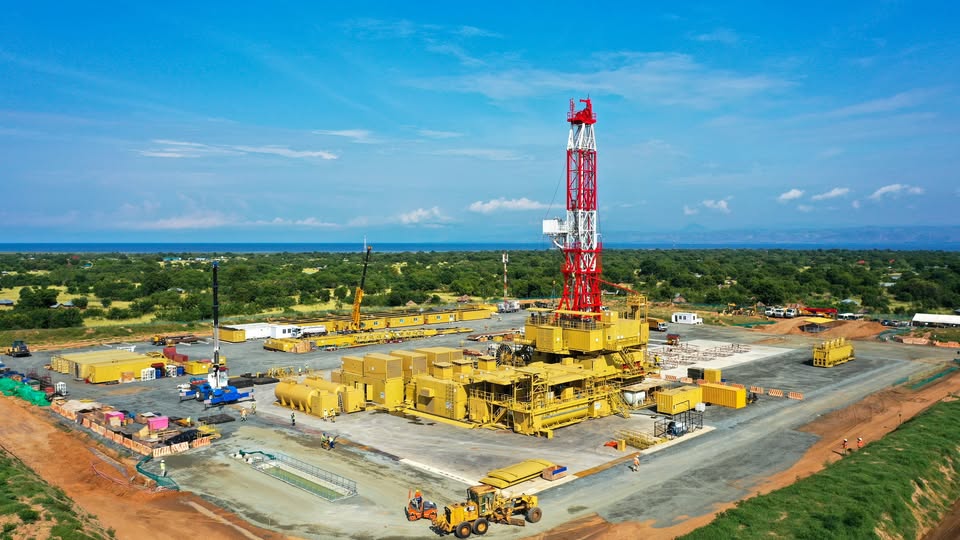
The development will stimulate a lot of supporting businesses such as construction, catering and hospitality, transport and logistics, manufacturing and services. Moreover, Hoima, the nearest city to the two projects, is currently one of the fastest-growing cities in the country.
Large oil projects will additionally call for massive infrastructure investment. New roads, airports, electricity and communication networks are all being established and improved in the region. Kaiso Tonya Road and Kabalega International Airport in Hoima are among the supporting infrastructure constructed in the oil-rich region.
Once the country begins exporting oil, there will be increased foreign exchange earnings, a balance of trade which strengthens the national currency.
Uganda plans to build a refinery which will boost industrialisation, and further industries for petrochemicals, plastics and energy production will be in place.
The Tilenga and Kingfisher projects are the game changers, the new dawn of Uganda’s economy.
3. Kampala-Malaba Standard Gauge Railway (SGR).
The Kampala – Malaba Standard Gauge Railway (SGR) is an ongoing construction project that will see 272km of electrified railway line extend from Malaba (Kenya border) to Kampala
The line will link Kampala, the capital city of Uganda, to Mombasa port, helping transport imports and exports cheaply and faster than existing road transport.
Timeline and Current Progress
Construction was officially launched in November 2024, and the contractor is the Turkish Engineering company Yapi Merkezi. The project is expected to take 4 years to complete.
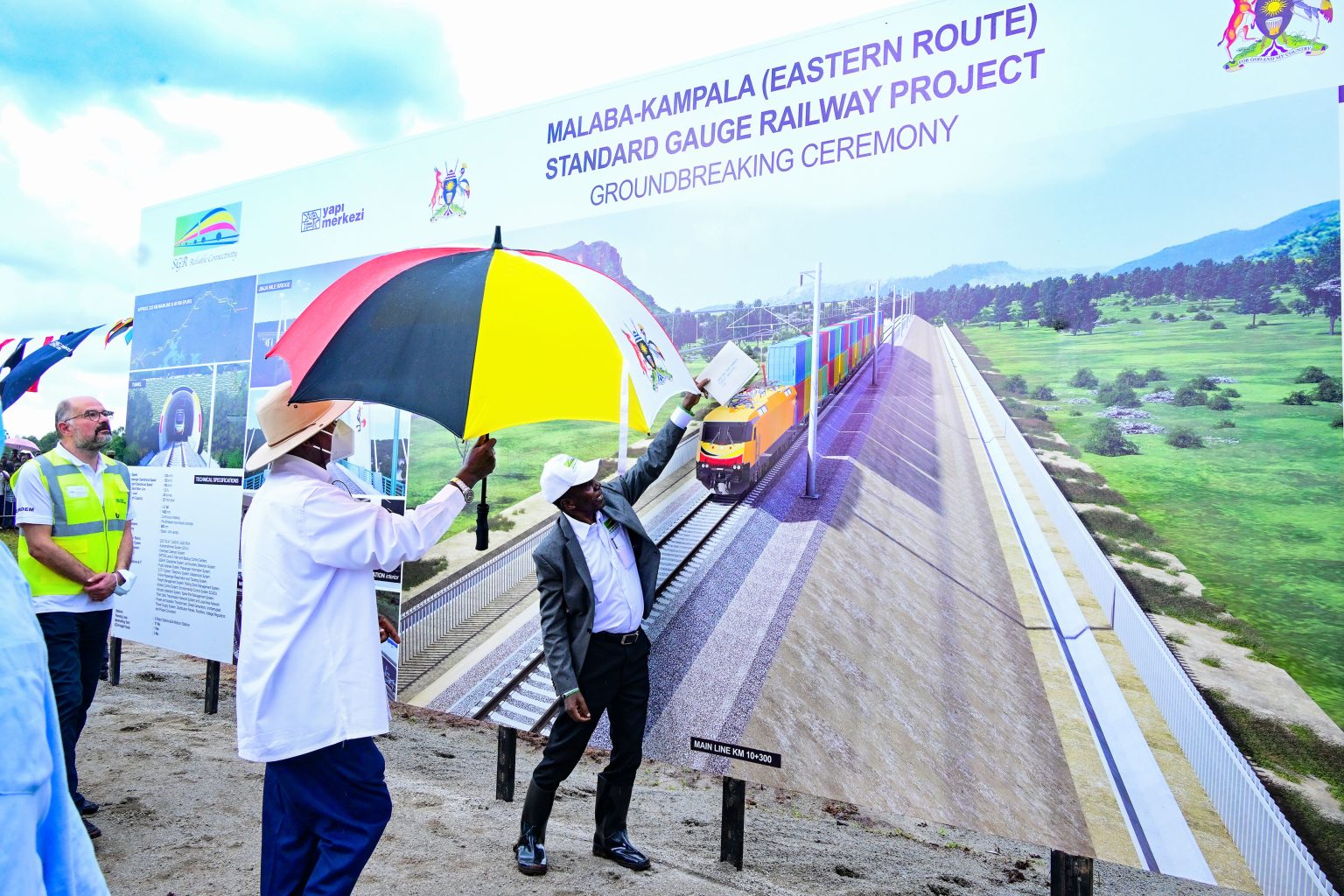
Preliminary engineering works, including surveys, designs and soil testing, are already done.
Land acquisition and compensation along the route are ongoing.
The government announced that they have already secured over 60% of the right of the way.
Estimated Cost of the Project and Funding
The first phase of the SGR (Malaba–Kampala) is estimated to cost $2.7 billion, which is approximately UGX 10.8 trillion. This makes the project one of the most expensive infrastructure projects ever undertaken in Uganda.
The financing structure is a mix of government funds and international loans.
The government of Uganda and international loans will fund the project, with the government of Uganda expected to cover about 15% of the total cost and international credit agencies and lenders to cover 85% financing.
Uganda has also allocated over UGX 2 trillion in the national budget to support early implementation.
Expected Impact on Uganda’s Economy
The cost of transporting container goods and other imports from Mombasa to Kampala is expected to reduce by 50% this reduces the cost of transporting imports and exports and thus increases profits for traders.
The time for movement of goods from Mombasa to Kampala could be reduced from several days to just under 24 hours with the SGR improving the chain of supply for business and reducing delays and related costs.
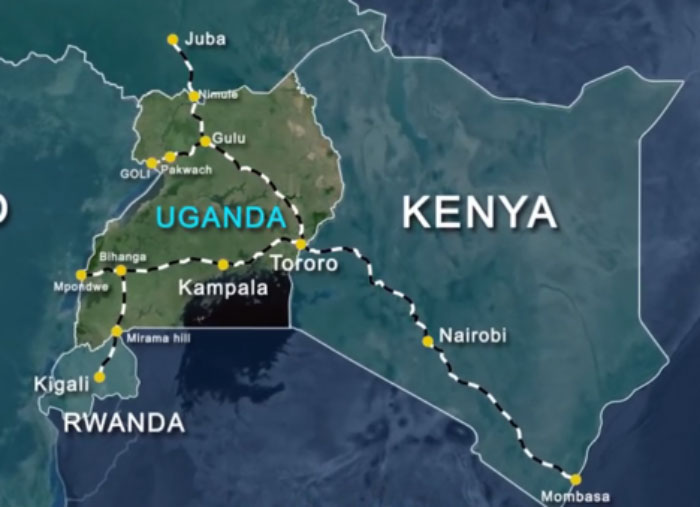
The railway is intended to connect Uganda to the East African railway network, linking to countries like Kenya, Rwanda, South Sudan and the Democratic Republic of Congo, which increases regional integrations and strengthens regional trade.
The SGR will also support industrialisation. With reduced transport costs, industries in Tororo, Jinja, Mbalala – Mukono, and Namanve will benefit greatly and access regional and international markets easily. The Kampala – Malaba SGR will be a foundation for several extentions including Kampala – Mpondwe, Uganda to Rwanda, with an offshoot to Kabale iron ores, Malaba – Tororo -Soroti up to Nimule in the West Nile, all of which will not only allow industries to reach markets more easily but also make it easier to transfer raw materials.
Construction will create several jobs for Ugandans, both directly and indirectly. Construction workers, site engineers, operations team and the logistics and supply chain.
The Kampala Malaba Project will boost trade, employment, production and help the country save more both financially and time taken to transport goods to and from the coast, Mombasa.
4. Kampala Jinja Express Way
Kampala Jinja Express Way (KJE) is one of the largest road infrastructure projects currently being planned in Uganda. The project intends to cut traffic on the existing Kampala – Jinja highway and also increase connectivity between the two cities.
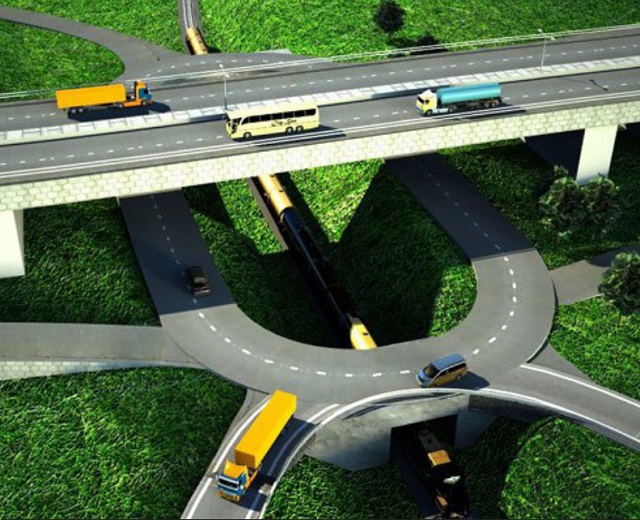
The modern toll expressway will be 95 KM long with a four-lane dual carriageway, planned at a speed of 120 KM/H and will include interchanges, bridges and service areas.
Timeline and Current Progress
Detailed engineering designs are completed
Land acquisition and compensation are currently underway
The government is currently negotiating financing and contractor arrangements, after which construction is expected to start.
Estimated Cost and funding
The project cost is estimated at approximately $US1.4-1.5 billion, making it one of the most expensive road projects in Uganda.
The expressway will be financed through a Public – Private Partnership (PPP)
With funders including the government of Uganda through Uganda National Roads Authority, the African Development Bank and the European Union. Private investors will finance part of the construction and recover costs through toll fees.
| Feature | Details |
|---|---|
| Length | ~95 km |
| Cost | $1.4–1.5 billion |
| Type | Toll expressway |
| Funding | PPP + development partners |
| Purpose | Reduce congestion and boost trade |
Economic Importance
The current Jinja – Kampala is one of the busiest roads in the country. With the express completed, travel time from Kampala to Jinja will be reduced from 3 hours to about 1 hour.
The road is part of the Northern corridor, improving connectivity to the Kampala – Malaba route on the way to the Mombasa port.
The expressway passes through industrial areas of Mukono, Namanve Industrial Park, Jinja Industrial zone, helping support industrialisation by easing the transportation of finished goods and raw materials.
The road will additionally boost tourism since it connects the capital to one of the key tourism destinations like the Source of the River Nile and the whole of Eastern Uganda and its attractions.
5. Proposed Mbarara Mega Airport Project.
This is a proposed mega-aviation infrastructure project that will encircle the current Nyakisharara Airfield. The project will occupy an area of 21 Square kilometres with two commercial parallel runways that will be 5.5 kilometres long. The airport will additionally have a VIP runway that will be 3.7 kilometres long, five-star hotels, and other support facilities.

Current Status.
The project is currently in the planning phase. The President of Uganda, Yoweri Museveni, wrote a letter to the Prime Minister of Uganda, Robinah Nabbanja, dated February 12th, 2026, instructing her to follow up and fast-track the progress of the project, including helping in land acquisition.
The facility will be operated on the BOT ownership model (Build-Operate-Transfer)
Economic Importance.
Once constructed, the Mbarara International Airport will link trade between China and South American countries of Brazil and Argentina. This will help Uganda to earn revenue from logistics and handling services like warehouses, cargo charges, taxes and royalties.
The airport will further boost local trade and tourism in Western Uganda, opening up the area to tourism.
Whereas Uganda is currently undertaking many infrastructural projects, these 5 projects discussed above stand out from the rest because of their scope and macro-economic impact. They are economically interlinked, and each of them has the capacity to employ hundreds of people directly and thousands of people both directly and indirectly.
Some projects like the East African Crude Oil Pipeline Projects, Tilenga and Kingfisher oil development projects and Kampala -Malaba SGR have the capacity to make the country earn or save over $1bn annually.
The potential for these projects, however, depends on the timely execution, as the government and developers must overcome bottlenecks to see the projects get completed in time. Legal and environmental disputes have hampered the EACOP and Tilenga projects, while the Kampala -Malaba SGR and Kampala-Jinja express construction has been postponed time and again as the government secures funding for the project. With some of these projects hitting as high as 79% progress as early as January 2026, there is indeed hope that Ugandans are soon going to harvest from their long-awaited projects and natural resources.