

Whenever we talk about African economies, much focus is put on the economic power houses that have economies worthy hundreds of billions of dollars. But many smaller countries face structural challenges including limited infrastructure, reliance on agriculture, dependence on weather and climate, insecurity, small domestic market and many others.
With Africa’s economy is expected to surpass $3 trillion in 2026 as per IMF World Economic Outlook October 2025 data and related analyses, these countries only represent a tiny fraction on the continent’s wealth.
Islands and land locked countries dominate the bottom tier of smallest African countries by GDP reflecting small internal markets and low industrialisation in addition to limited natural resources to boost production and export.
Here are the Smallest African Economies by Nominal GDP 2026
10. Eswatini (Swaziland) — GDP $5.5 billion.
Eswatini economy is heavily tied to South Africa’s. The major sectors are Agriculture, manufacturing especially sugar and textiles plus service sector.
Unemployment is high in Eswatini estimated at 34% and income inequality are some of the challenges of Eswatini economy.

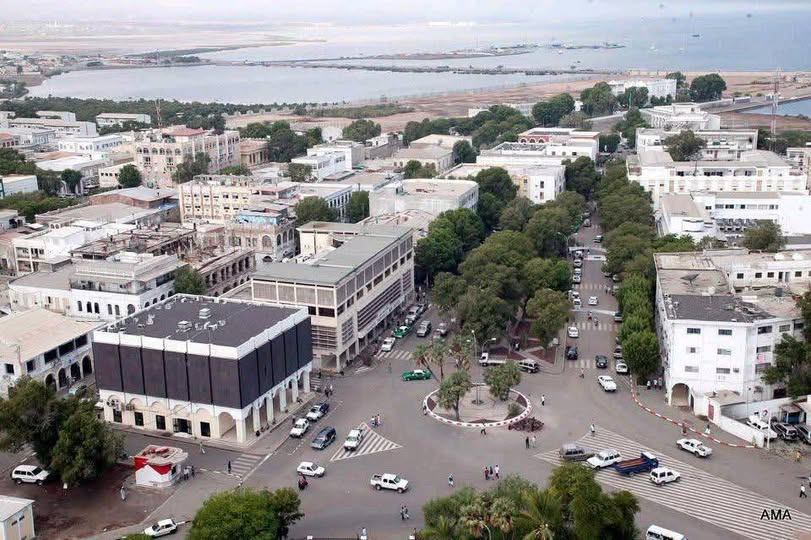
9. Djibouti – GDP $5 billion
Djibouti is strategically located as a port on Red Sea.. Supported by logistics sector as a gate way to the sea for Ethiopia, the economy hasn’t benefited much from this advantage and remains over all low.
Service sector accounts for 85% of the country’s GDP, there’s limited agriculture due to much of the surface being barren.
While the economy is growing at 6.7% annually, extreme poverty and high unemployment remain critical challenges.
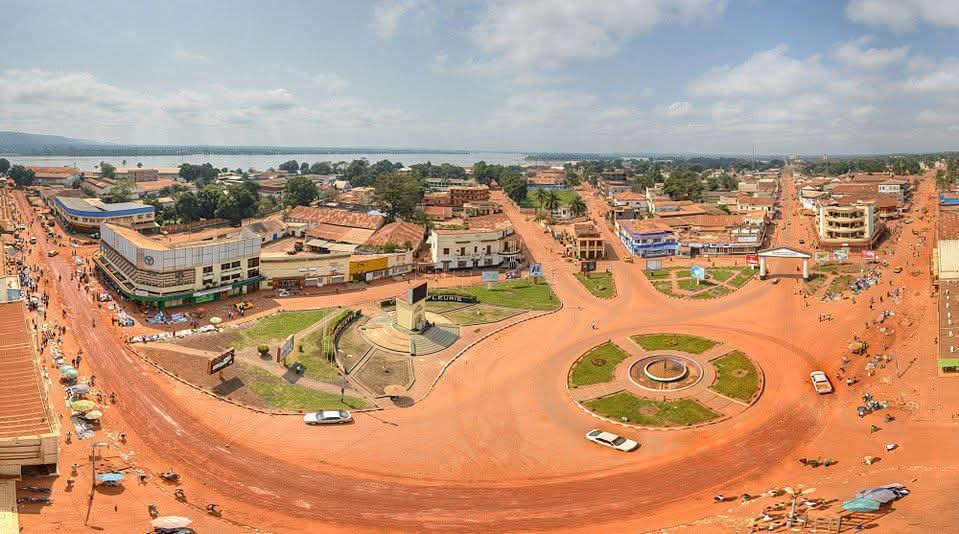
8. Central African Republic – GDP $3.7 million
Central African Republic C.A.R’s economy has potential to grow but is always hindered by Political instability that has marred the country for decades.
The former French colony has weak infrastructure which limit diversification and growth. Central African Republic is one Africa’s Poorest Countries by GDP Per capita.
The economy of the country is largely subsistence with small manufacturing sector in the capital Bangui. Logging (forestry) and mining are the other major economic activities.
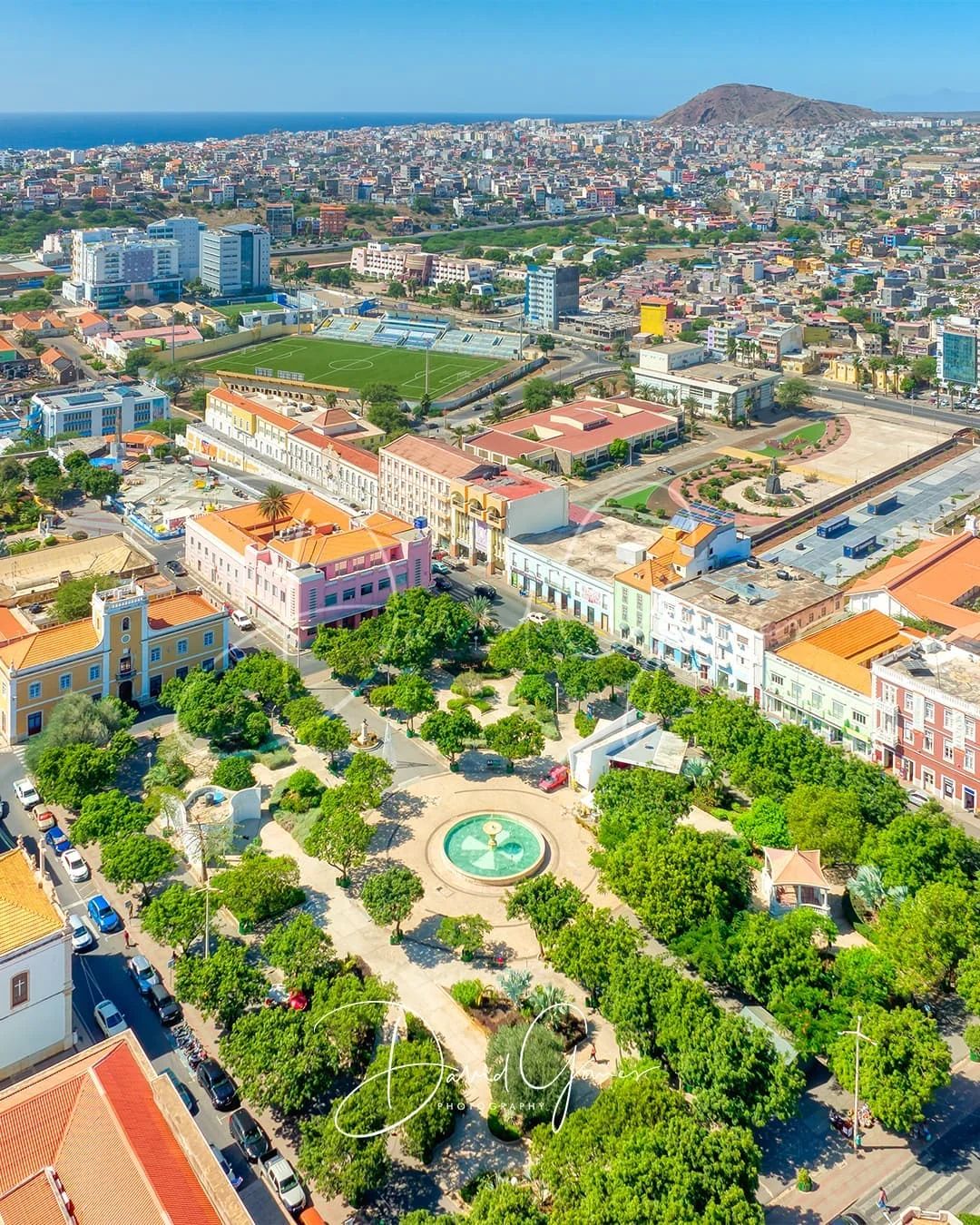
7. Cape Verde – GDP $3.1 billion
Cape Verde is an island country located in West Africa. The country is one of the richest countries in Africa by GDP per capita. With only 0.5 million people as of 2026, the economy is majorly narrowed by small population.
Tourism boosts Cape Verde’s economy with the country being one of the most visited African countries in 2026. Remittances also help sustain the economy in addition to a growing financial sector.
6. Guinea Bissau – GDP $2.7 billion
Guinea Bissau is one of the least developed countries in Africa. The country’s economy is reliant on cashew nuts bringing over 90% export earnings of the country. Limited industrial sector with mainly food processing.
Fishing also carried out but mostly using traditional methods. Service sector contribute 41% of the country’s GDP. Political instability is a major challenge to the country’s economy.
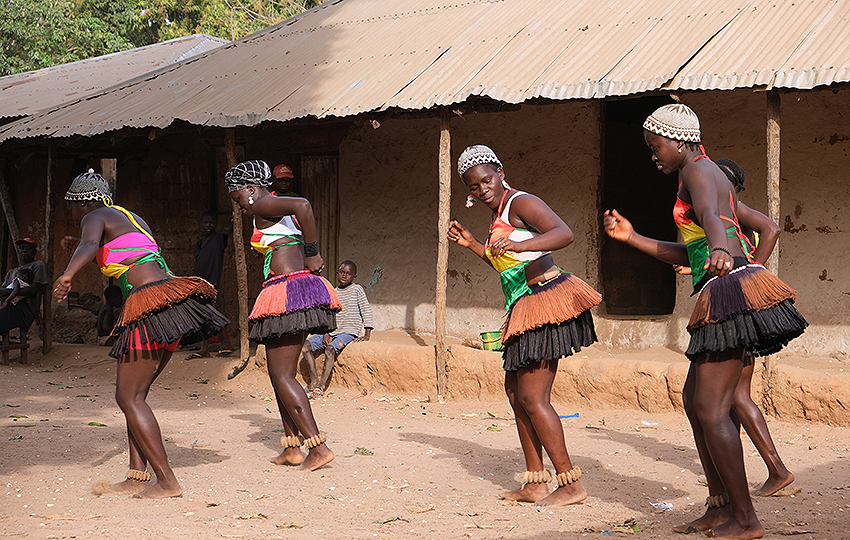
5. Gambia – GDP $2.6 billion.
Gambia is one of the smallest countries in Africa by land area. The economy is narrowed by small size, focus on agriculture and limited resources limiting exports. Besides agriculture other major sectors are remittances and tourism.
High inflation rate peaking in 2023 at 17%, Gambia is a low developed, low-income country with at least 17% of the population in extreme poverty.
4. Lesotho – GDP $2.5 billion.
Lesotho economy is heavily integrated to South African economy. The economy relies on mining and industries like textiles, water exports and remittances.
Poverty levels are high, unemployment is high with most working force migrating to South Africa to look for jobs. There is little diversification due to limited resources.

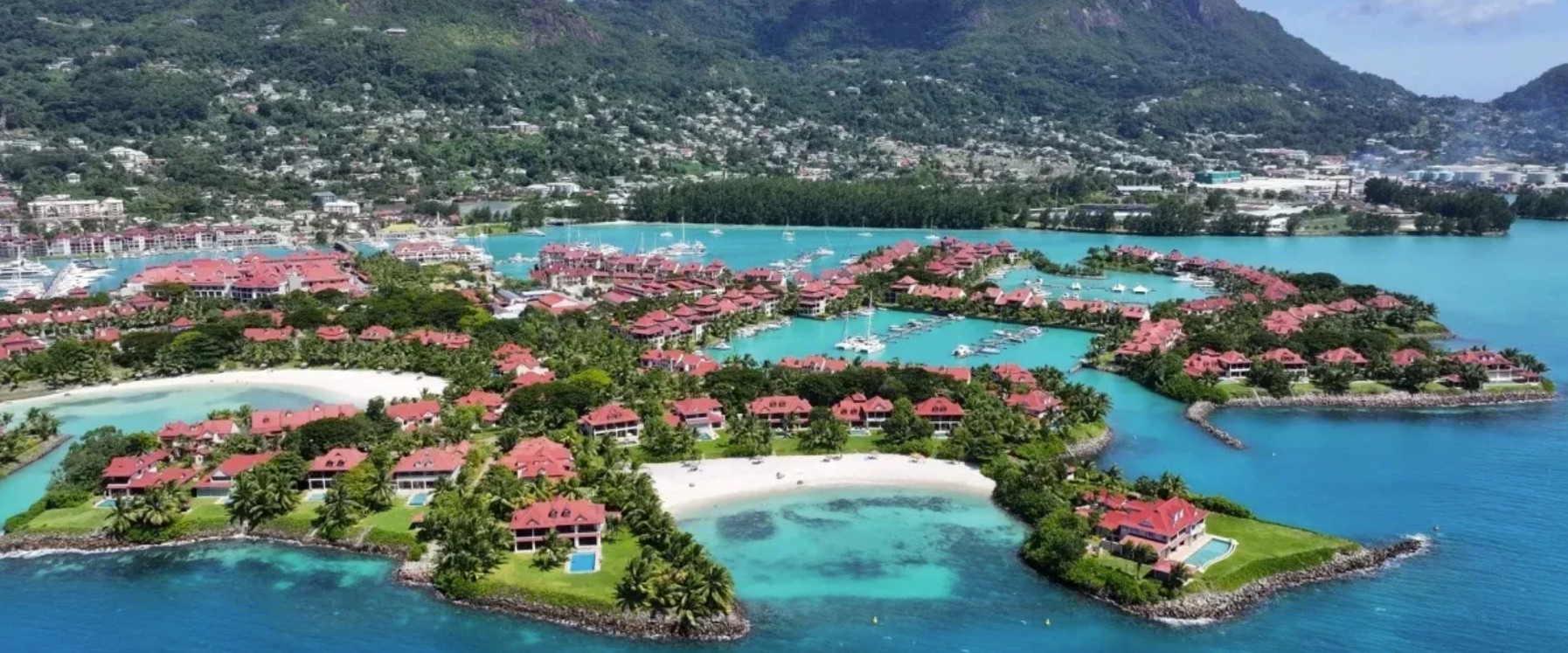
3. Seychelles — GDP $2.5 billion
Seychelles is the richest African country by GDP Per Capita. Being the least populated country in Africa with around 0.1m, the economy is narrow because of little domestic market.
The economy of the country is boasted by tourism with an island of around 100,000 people receiving more than 1 million tourists every year. Fishing, financial sector, ICT and renewable energy are the other contributors to the economy.
Seychelles is the smallest country in Africa by land area.
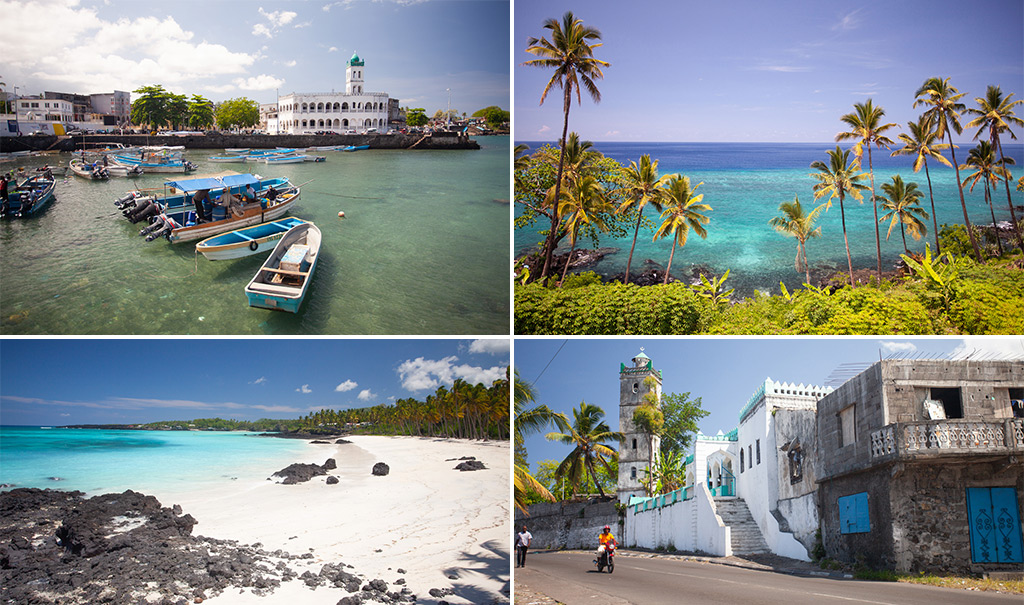
2. Comoros — GDP $1.5 billion
Comoros is a small island economy with limited resources, minimal diversification and heavy reliance on Agriculture and remittances. Surrounded by Indian Ocean, Comoros hasn’t put to proper use their fishing potential.
With a small home market of 0.9 million people, Comoros has been trying to diversify the economy and reduce reliance on agriculture. Promotion of tourism and service sector is bringing a shift in the structural composition of Comoros’ economy.
African Development Bank notes the slow structural changes with contribution of agricultural sector reducing from 40.9% to 34.5% between 2002-2022 while service sector contribution increased from 47.2 to 56.1. Nevertheless, Comoros is still a poor country.
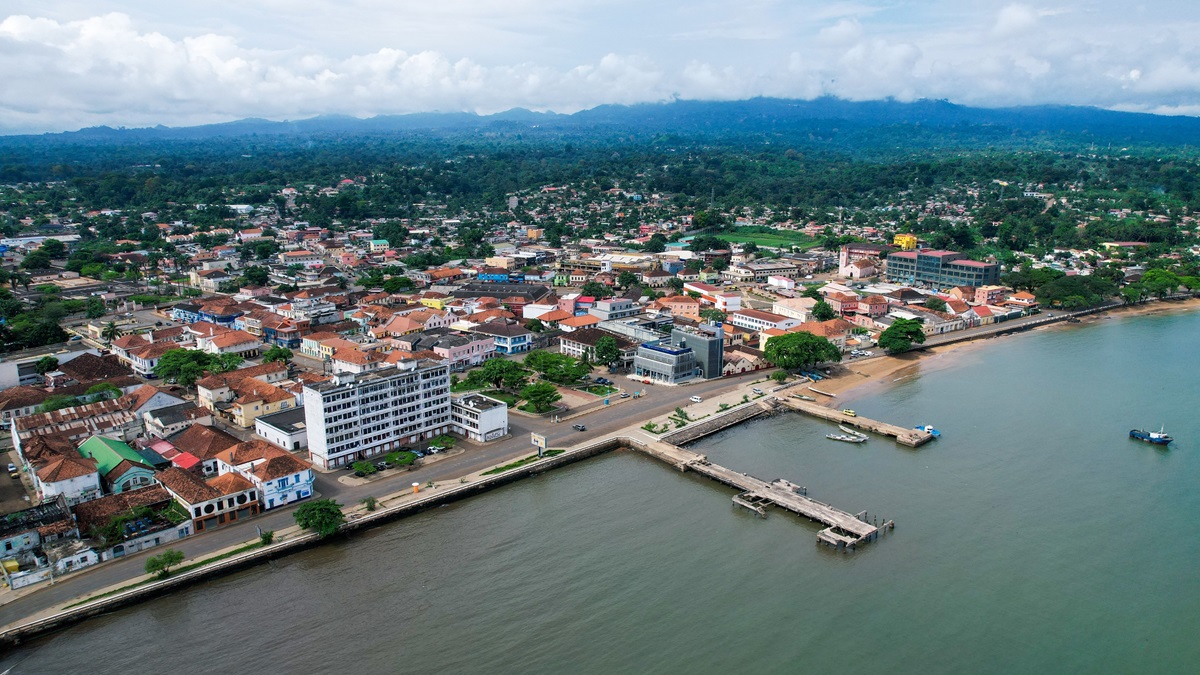
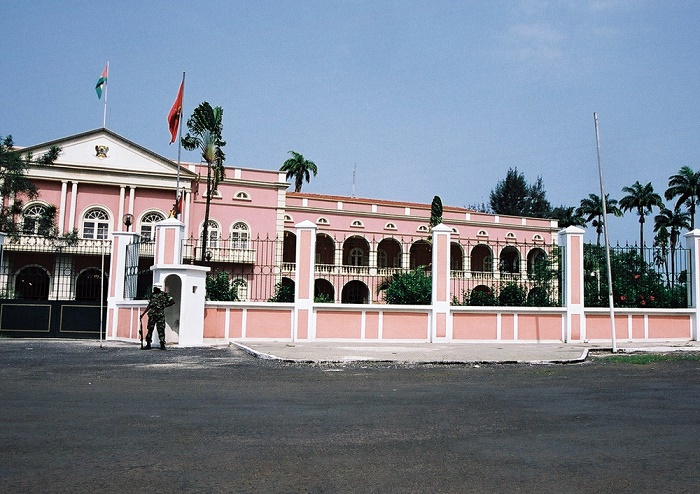
1. São Tomé and Príncipe — GDP $0.7 billion
Sao Tome and Principe is a small island country located in central Africa. The country is the second least populous country in Africa with around 0.23 million. It is the only African country with an economy below $1 billion.
The island has a small domestic industrial sector, dependent on agriculture with cocoa accounting for 95% of the country’s exports. The country has high poverty levels near non-existent industrial sector and public financing is heavily financed by proceeds from tourism, cocoa and foreign aid.
The country is currently doing a joint oil exploration program with Nigeria raising a ray of light for the smallest economy in Africa once exploitation starts.
Whereas these smaller economies have been doing all it takes to overcome challenges and grow their economies, too much dependence on mining, remittances, agriculture and foreign aid makes the economies vulnerable to climate changes, change in political climate and political instability.
Nevertheless, it should be noted that most of these economies are growing at faster rates than big economies, but due to a small economy base, the real gains remain low.
Political stability, check on high levels of corruption, diversification of economies, reliance on renewables, and value addition on agricultural exports would see these African countries put mass on their thin economies.
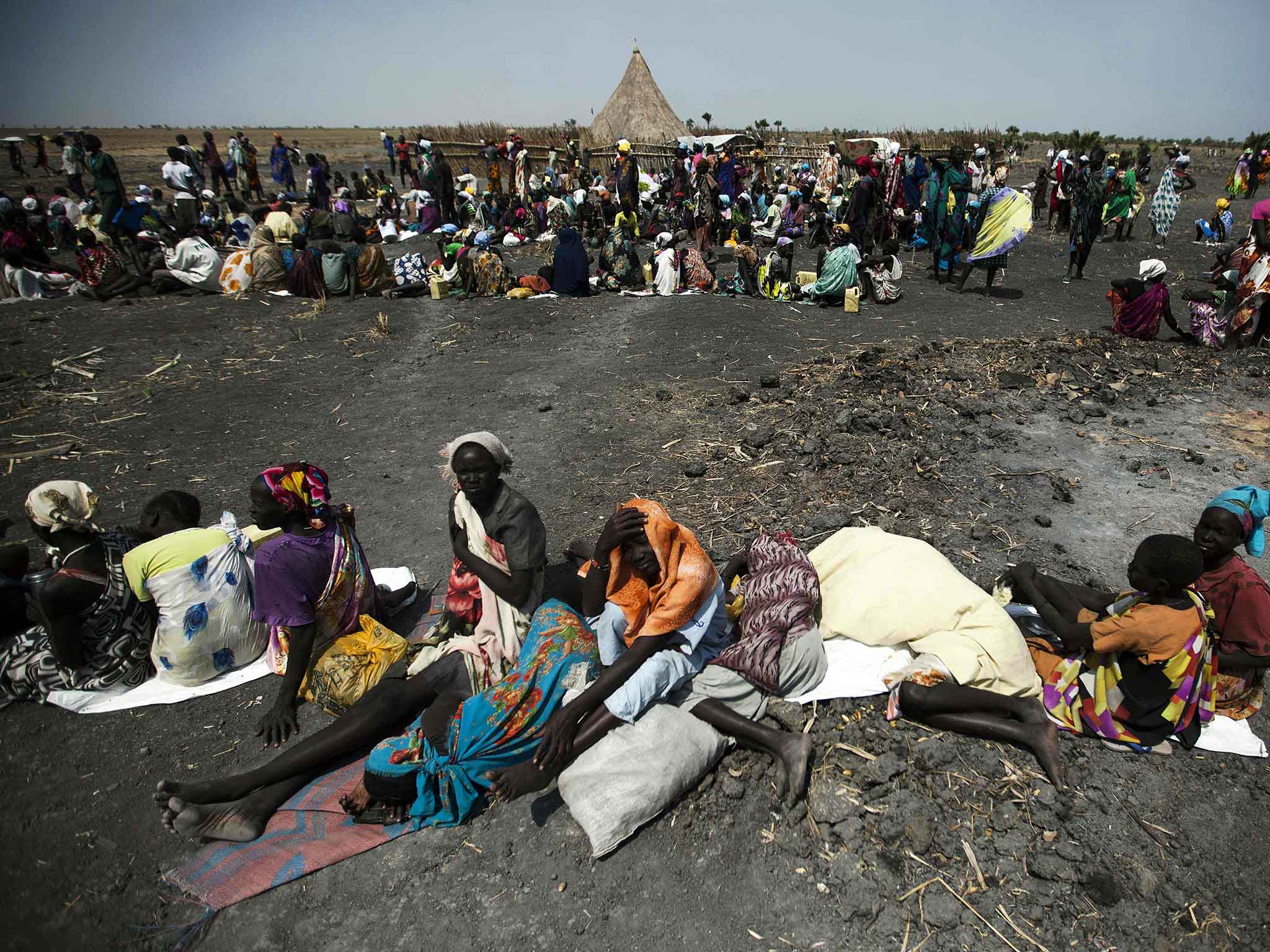

: Tiny islands & fragile states lead the bottom ranks!)