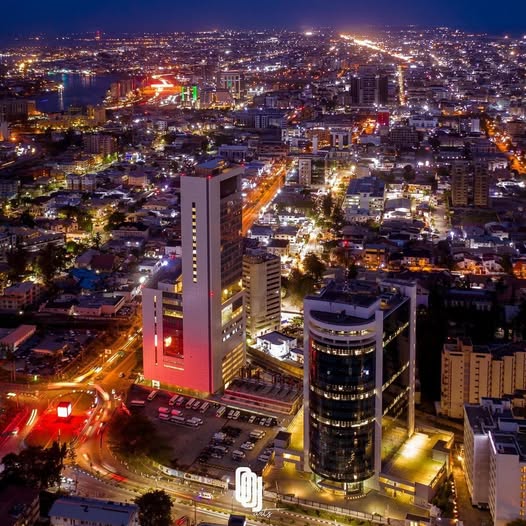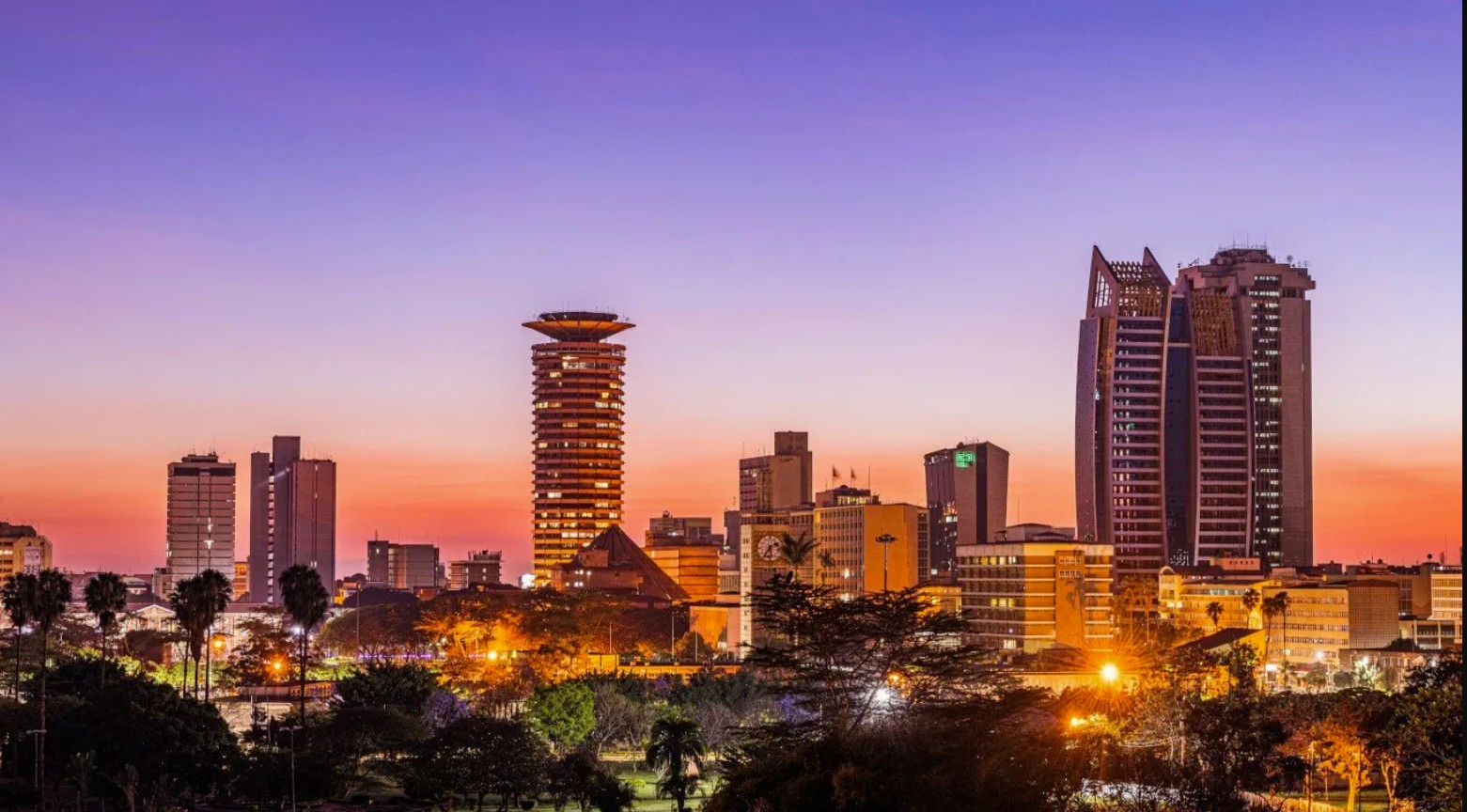

Urbanisation in South Africa is one of the most advance in Sub-Saharan Africa. Africa’s largest economy by GDP Nominal boosts having the some of the largest cities in Africa not only by population size but also by economic power and continental influence.
With urbanisation starting almost half a millennium ago with the coming of the Portuguese, on their search for the sea way to India, South Africa has managed to grow large cities inland, on the Indian ocean coast and the Atlantic Ocean coast as the only African country having a coastline on two oceans.
Here we analyze the leading cities in South Africa according to population rankings, with information from major demographics rankers like UN Urban Projections, World Population Review and Worldometer.
Largest Cities in South Africa 2026
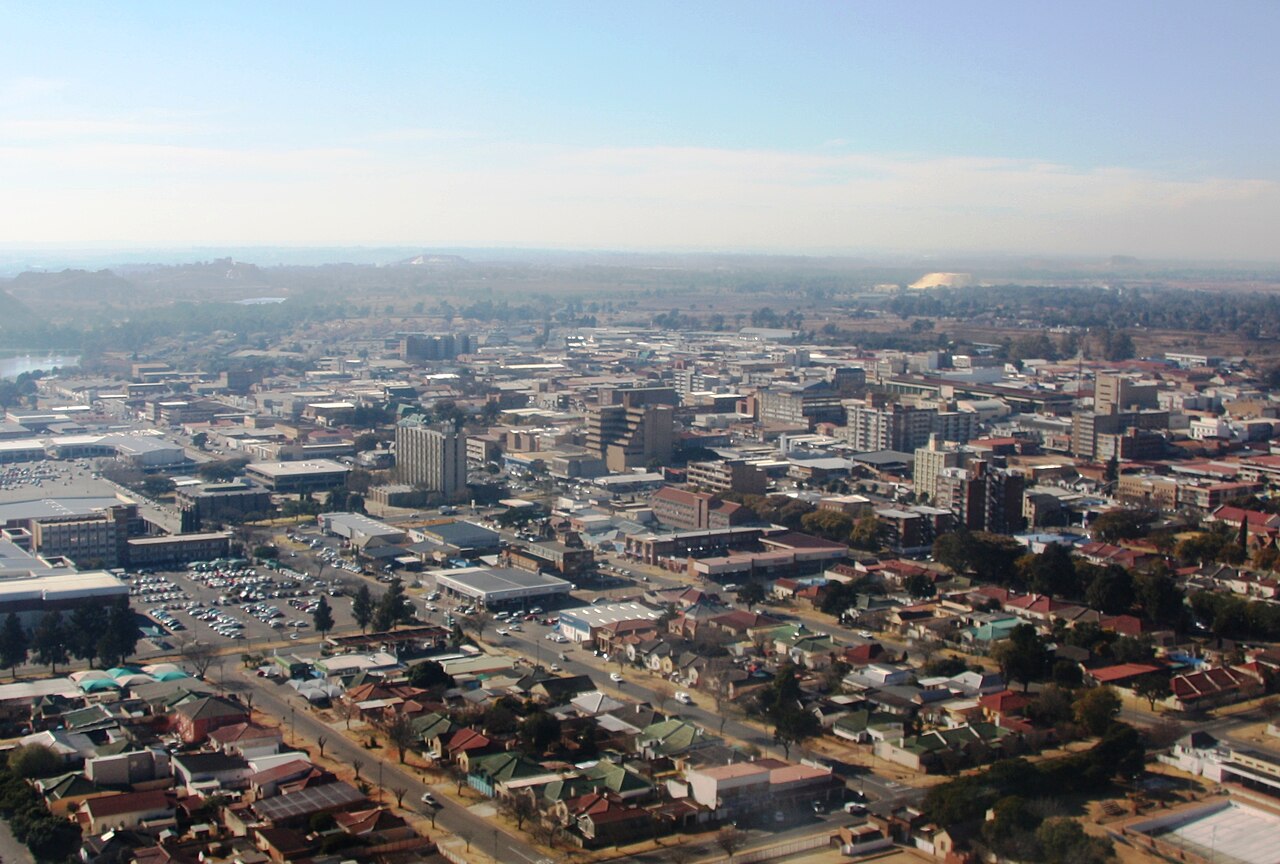
10. Benoni (Population: 605,344).
Located on the East Rand, Gauteng Province, South Africa, Benoni is 26 kilometers east of Johannesburg within the city of Ekurhuleni.
The city was founded in 1881 as a gold mining town. The city got populated by among others a large Jewish community.
Main economic activities in Benoni City include mining, commerce, industries and services.
9. Rustenburg (Population: 621,905).
Located in the North West Province at the floor of Magaliesberg mountains, South Africa, Rustenburg is the largest city by population in the North West Province.
The town was established in 1851 as an Afrikaner farming centre following coalitions with the Bakofeng people. Platinum mining started in 1929 which increased the importance of the city. The city was among hosts of 2010 FIFA World Cup.
Major economic activities include mining, which is the city’s cash cow with 41 platinum mines, finance and retail.
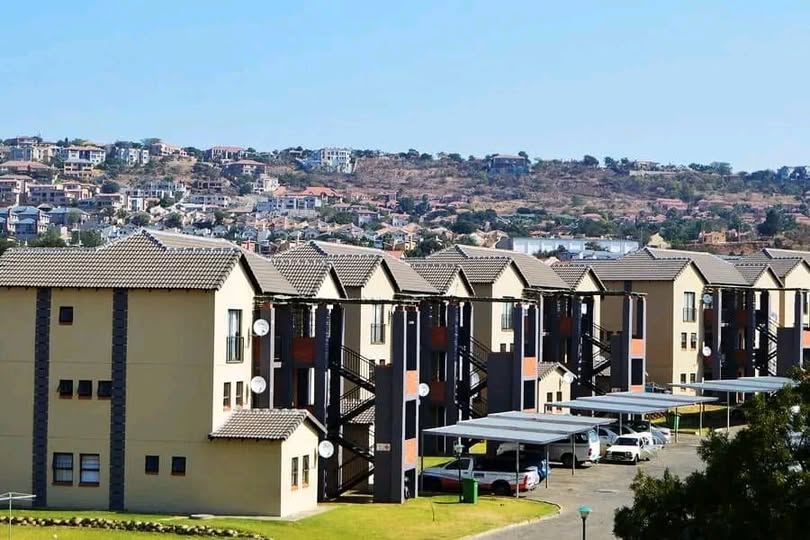
8. Bloemfontein (Population: 628,850).
Situated in the central Free State province, Bloemfontein is the third of the three capitals of South Africa
The town was founded in 1846 as a British fort in the Transoranje becoming the capital of Orange Free State Republic in 1854. The town hosted the failed 1899 Bloemfontein conference before the Second Boer War erupted and became South Africa’s judicial capital in 1910 after independence.
Major economic activities include construction, retail, commerce and infrastructure.
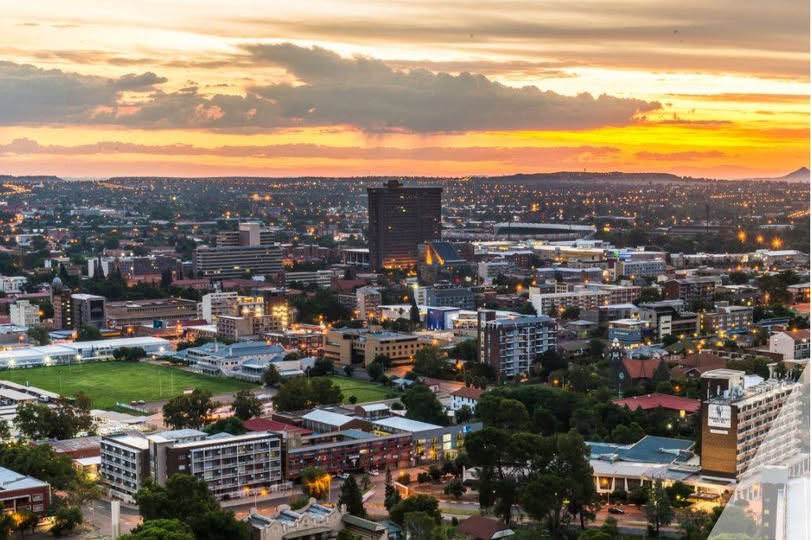
7. Vereeniging (Population: 823,757).
Located in Southern Gauteng Province at the confluence of the Klip and Vaal Rivers, Vereeniging is part of the Vaal Triangle region.
The city was established in 1982 after coal discoveries on local farms. The town hosted a British concentration camp in in the second Boer war. The famous treaty of Vereeniging ended the war in this city.
Major economic activities in Vereeniging include manufacturing, coal mining, power generation and trade
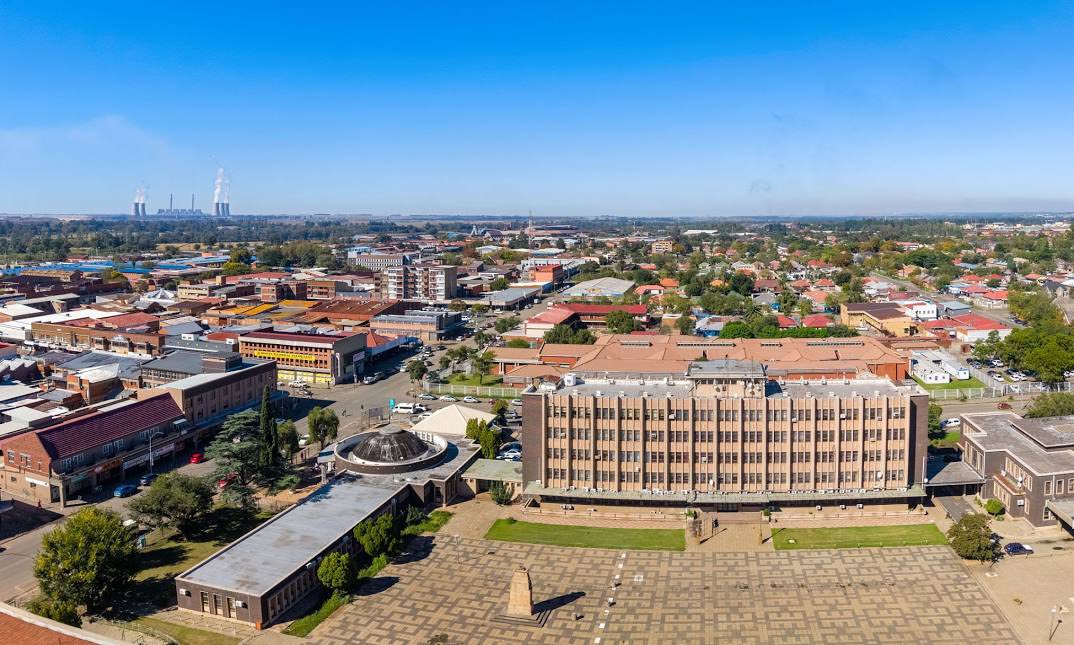
6. Gqeberha (Formerly Port Elizabeth) (Population: 1,349,290).
Located on Algoa Bay in the Eastern Cape province along the South Eastern Coast of Indian ocean, Gqeberha formerly Port Elizabeth is one the largest cities in South Africa.
Read also: Largest Cities in Nigeria Right Now
The city was established in 1820 as Port Elizabeth by British settlers to secure the eastern frontier. The town was named after Sir Rufane Donkin’s wife. The town grew as a seaport with railways by 1870s and remained a key city during the apartheid era. The city has since then hosted major world events including FIFA World Cup 2010. The city was renamed Gqeberha in 2021 after Xhosa name for the Baakens River.
Major economic activities include port handling services, automotive manufacturing with Ford, Volkswagen and all having plants in Gqeberha. Industries, finance, transport, pharmaceuticals and tourism are the biggest contributors to Gqeberha’s economy.
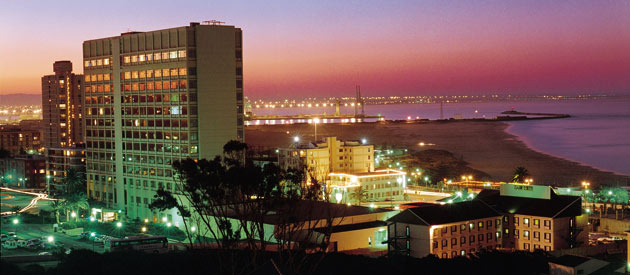
5. Soweto (Population: 1,695,047).
Located in Gauteng Province, Soweto borders Johannesburg southern mining belt within the City of Johannesburg Metropolitan Municipality.
South Western Townships (Soweto) was created as an apartheid government policy to segregate black residents of Johannesburg in the 1930s. It was the centre for anti-apartheid struggles including the 1976 Soweto Uprising where at least 176 students were killed.
The settlement started as residence of black Johannesburg workers and as thus, businesses were restricted. Post-apartheid era saw the rapid commercialisation of Soweto with retail malls, nightlife and informal sector.
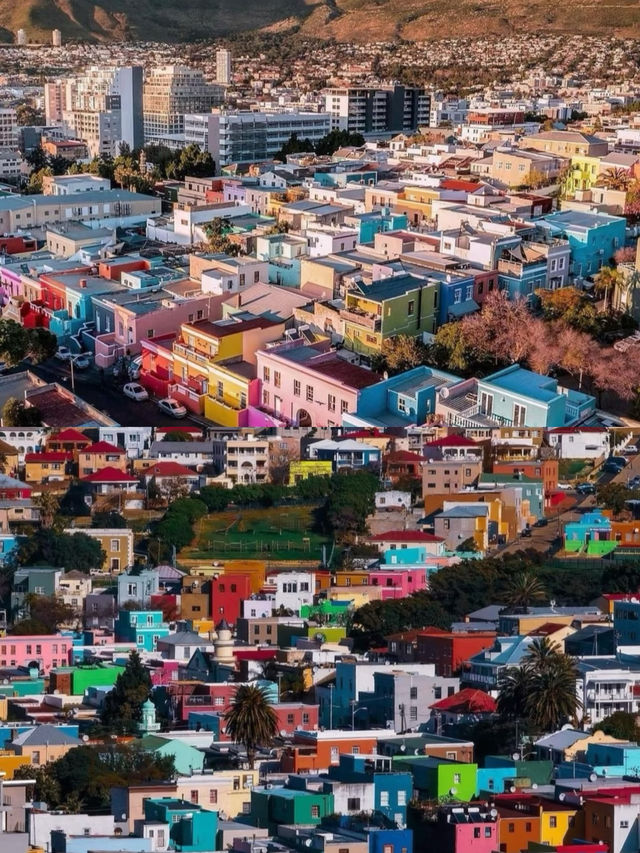
4. Pretoria (Population: 3,015,320).
Located in Gauteng Province, North East of Johannesburg, on both sides of the Apies River, Pretoria is the second of the three capitals of South Africa.
Founded in 1855 by Marthinus Wessel Pretorius as the capital of the South African Republic, the city has grown in importance and was vital in the Boer Wars especially negotiations for the 1902 Peace of Vereeniging. Upon independence in 1910, Pretoria became the administrative capital of Union of South Africa.
Major Economic Activities include administration, working as a diplomatic hub with government departments and 134 embassies, a centre of education and research with various institutions of higher learning including University of Pretoria. The city has GDP of US75.6 billion, backed by trade, tourism and services.
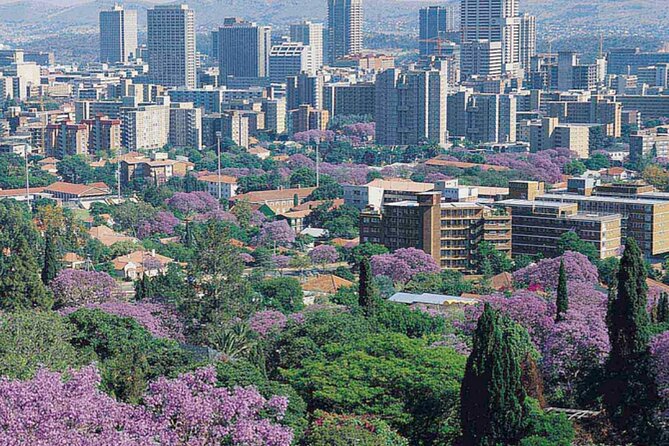
3. Durban (Population: 3,343,940).
Located on the East Coast, in KwaZulu-Natal province along the Indian Ocean. Durban is so often named among the most beautiful cities in Africa.
Inhabited by Nguni people for centuries, the site was sighted by Vasco da Gama in 1497. English traders established a trading post in 1824 after getting permission from Zulu chiefs. The town was attained the current name in 1835. The area became a borough in 1854 and was integrated into South Africa in 1910 when South Africa got independence under minority leadership.
Major Economic Activities include finance and manufacturing, trade, transport and tourism. Durban refines most of South Africa’s sugar with KwaZulu-Natal province having most sugar cane shambas in the country. Durban contributes 9.6% to national GDP (US$83.9 billion).
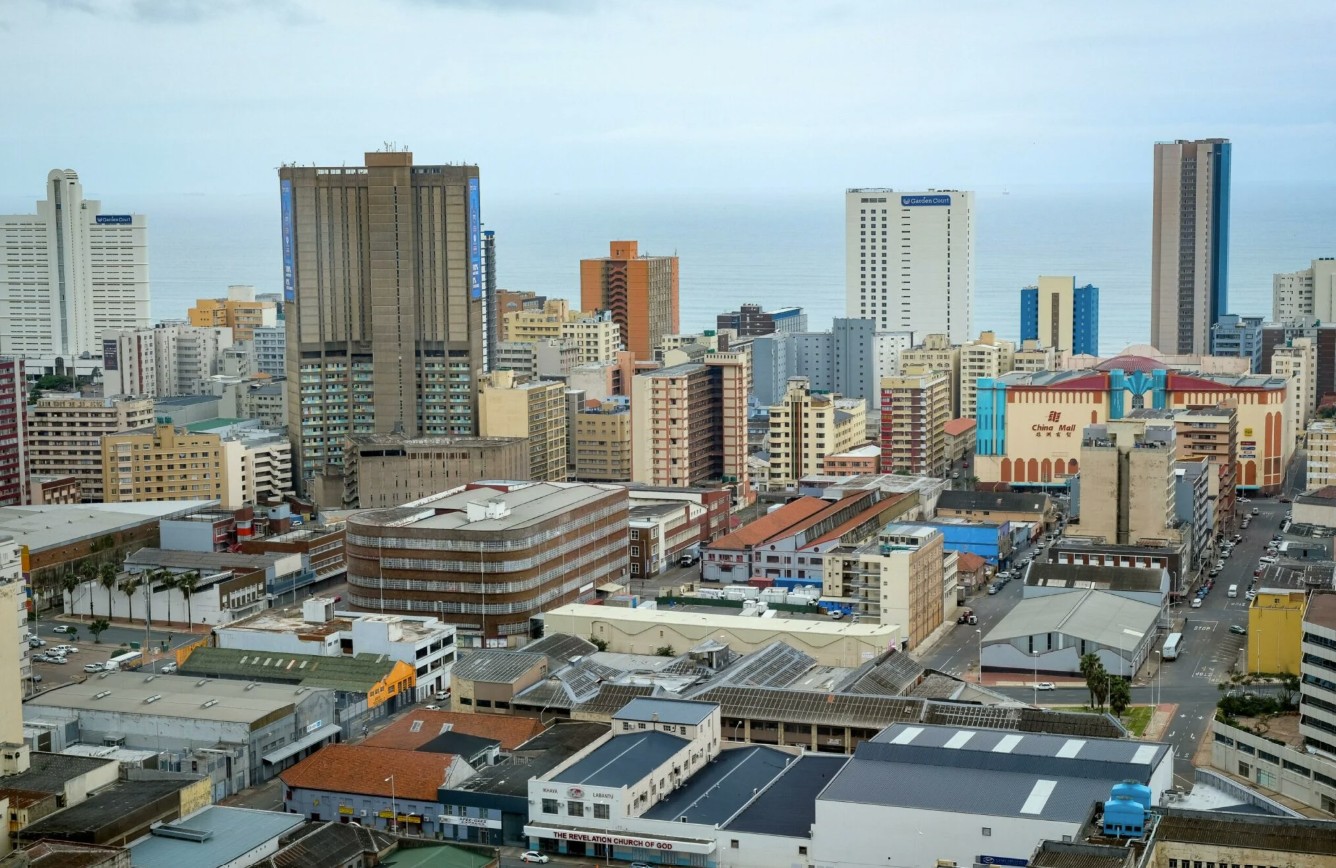
2. Cape Town
Located on the southern tip of Africa, in Western Cape Province, Cape Town is one of the three capital cities of South Africa. Metro covers an area of 2,461km2 with population of 5,147,500 people as of 2026. The metro includes suburbs like City Bowl, Cape Flats and Khayelitsha.
The city was founded in 1642 by the Dutch East India Company station at the Cape of Good Hope. It would later change control to British in 1795, becoming the legislative capital of South Africa in 1910. It was hotspot of apartheid with racial segregation at maximum until democratic transition in 1994.
Read also: Largest Cities in Uganda 2026
Major economic activities are tertiary sector which include finance, technology with several fintech and IT hubs, tourism, trade, film production, agriculture especially for wine production.
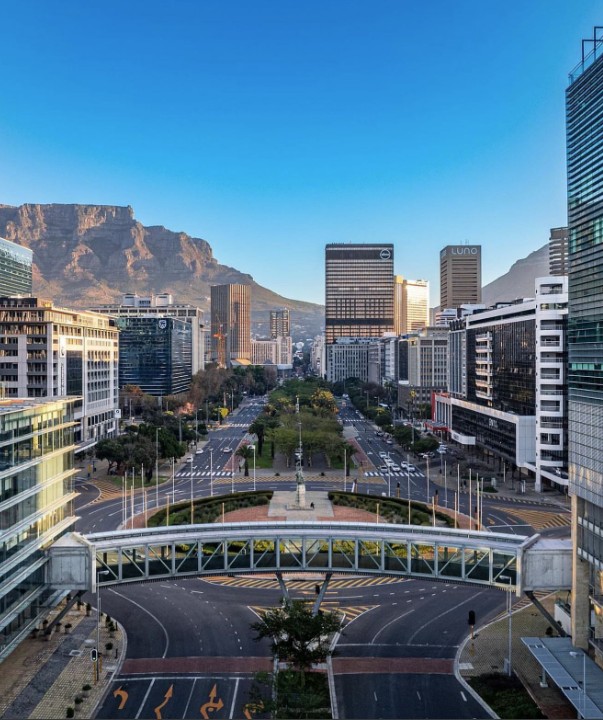
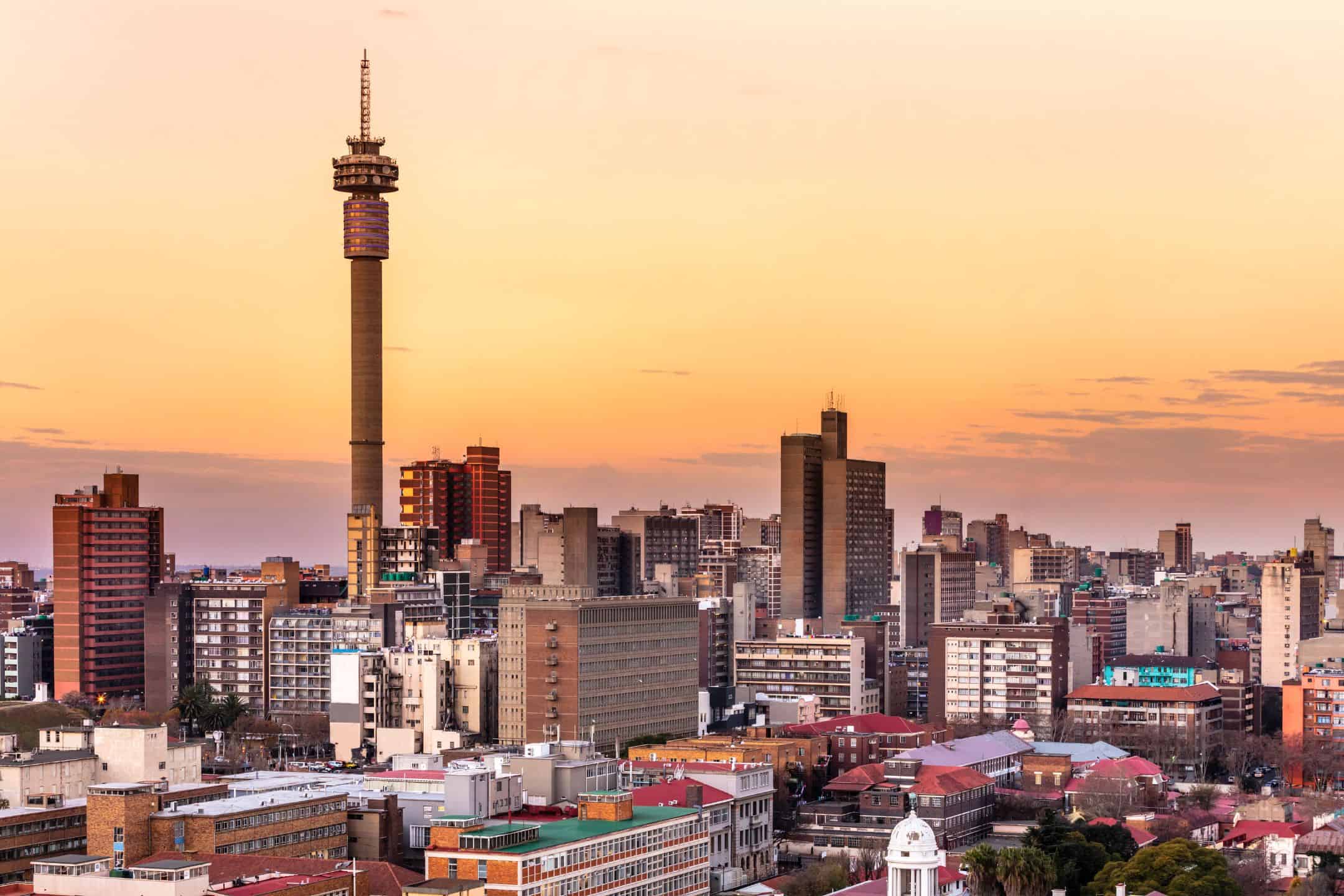
1. Johannesburg (Population: 6,559,190).
Located in Gauteng Province on the Highveld Plateau, Johannesburg is the largest city in South Africa. The city is 8th largest in Africa by population.
Founded in 1886 after the discovery of Gold on the Witwatersrand which sparked a gold rush, the population of Johannesburg grew by over 100,000 in the next 10 years. The town grew to become the largest city in South Africa during the apartheid era and was key for anti-Apartheid uprisings including the Soweto uprising of 1976. After the end of Apartheid in 1990, the city continued growing amalgamating various towns and settlements into the modern conurbation. The population of the continuously built-up area is estimated at 7.9 million in 2026.
The Major economic activities include finance, mining, manufacturing, services and commerce. Johannesburg Stock Exchange is the largest stock exchange in Africa both by volume and market valuation. Johannesburg also has Africa’s largest dry port.
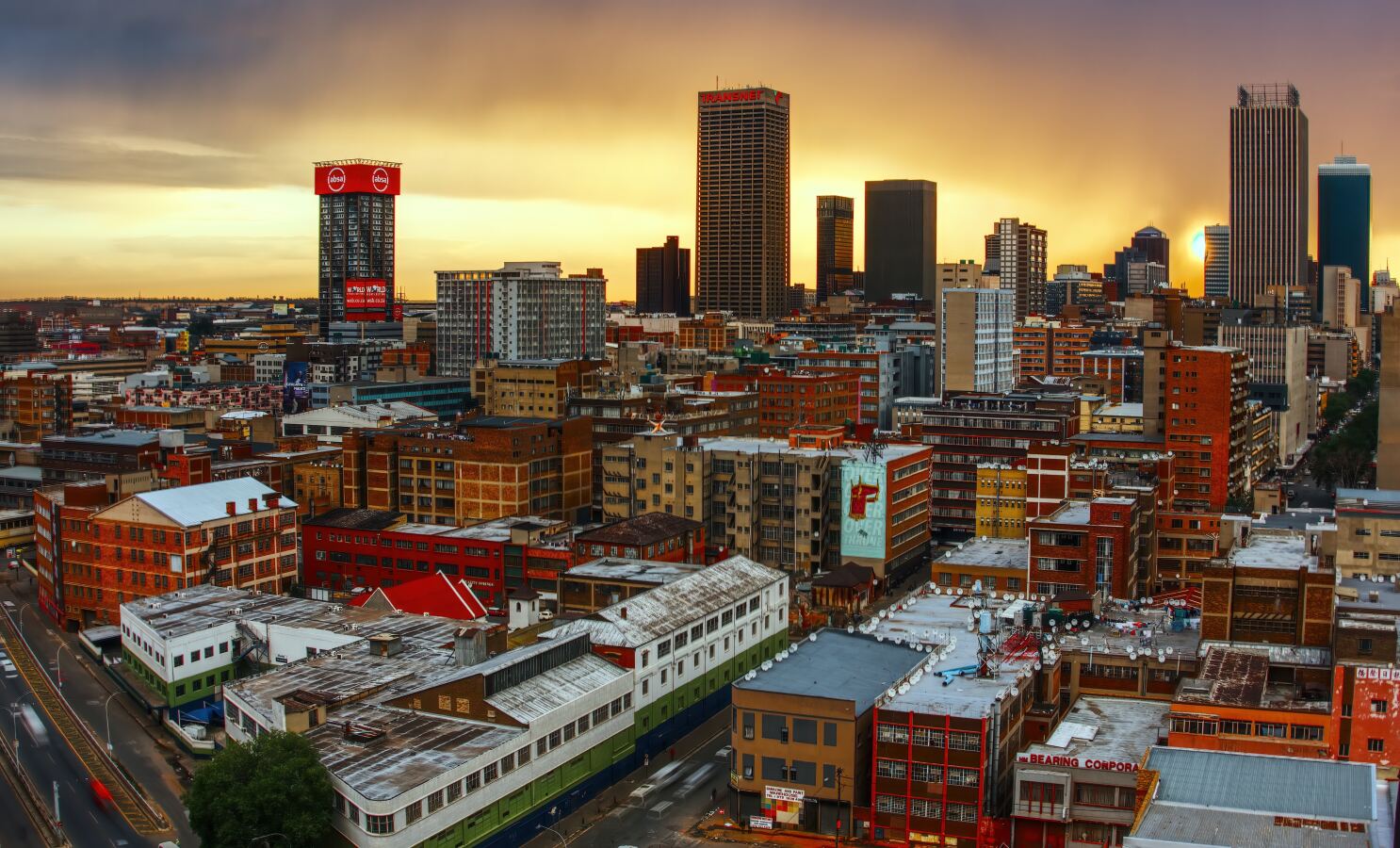
South Africa’s urban land scape continues to evolve rapidly. The economic opportunities available in urban areas continue to pool migration patterns. The top 10 largest cities in South Africa ranking not only reflects the current demographics realities but also underscores the country’s urbanisation trends.
Just like everywhere in the world, these cities are centres of innovation, entrepreneurship, culture and commerce contributing the largest percentage to the GDP of South Africa.