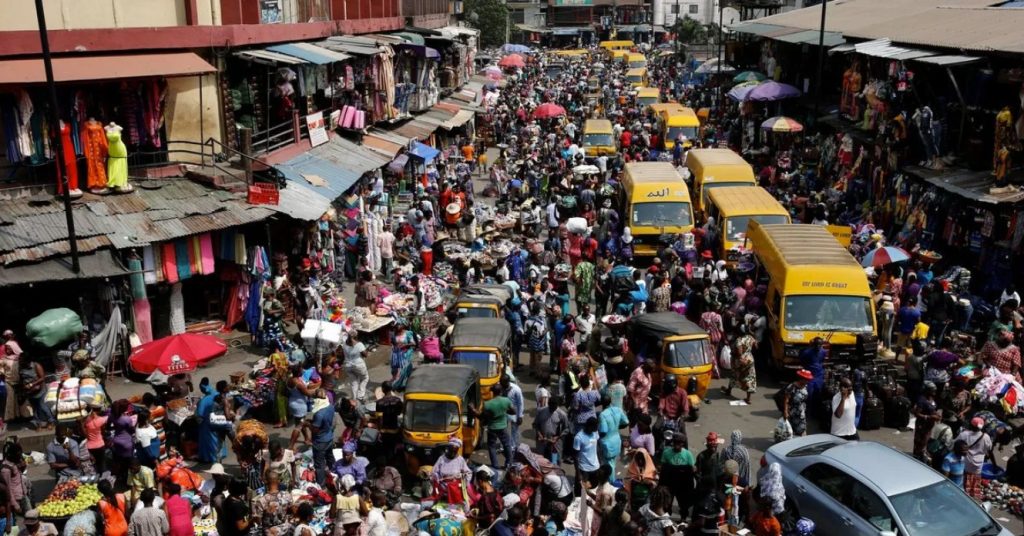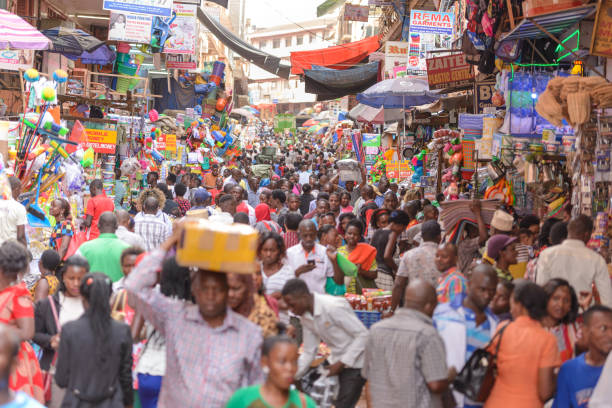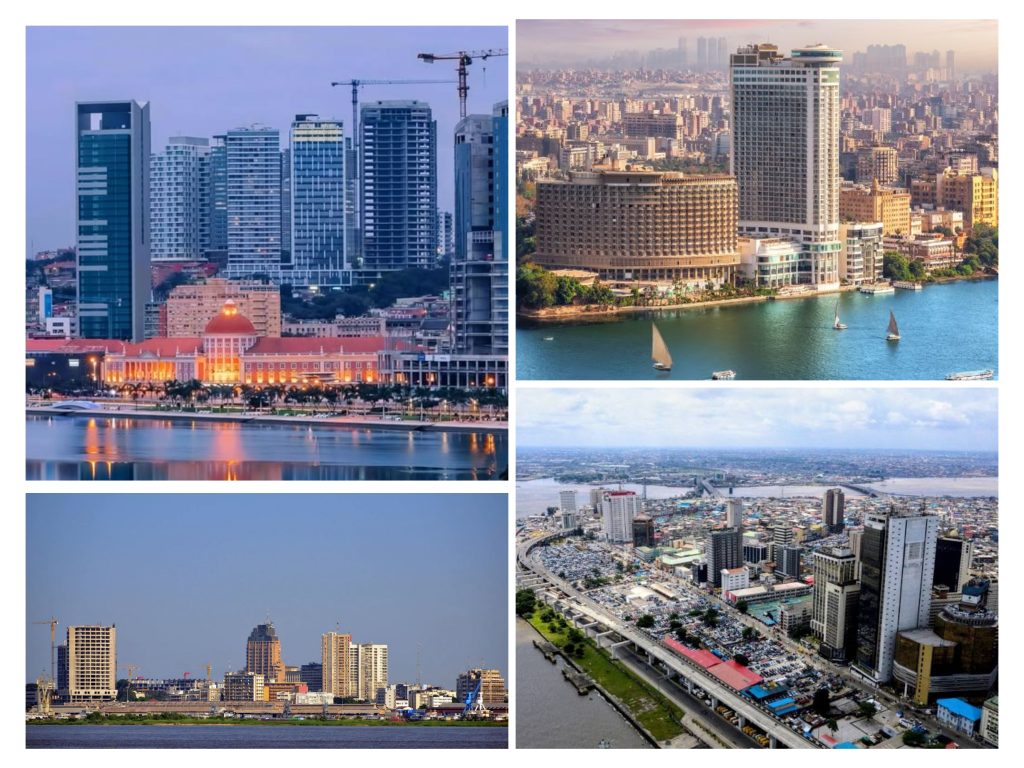
Urbanisation in Africa is rising faster than in any other continent. Mega Cities and Urban Conglomerates with several millions of dwellers now dot what used to be a dark continent less than a century ago. From ancient cities, to the newly established capitals of post-colonial Africa, the trading ports of Africa, largest cities are sprouting out in every region with jumbo population.
People flock towns to look for better opportunities, driving some of the world’s population boom. High populations are driven by high fertility rates, internal migrations and the economic pull. The latest projections by United Nations World Urbanization Prospects and World Population Review show Largest African cities rivalling other global mega cities in terms of population and global influence.
Here is the list of 10 Largest cities in Africa by Population in 2026
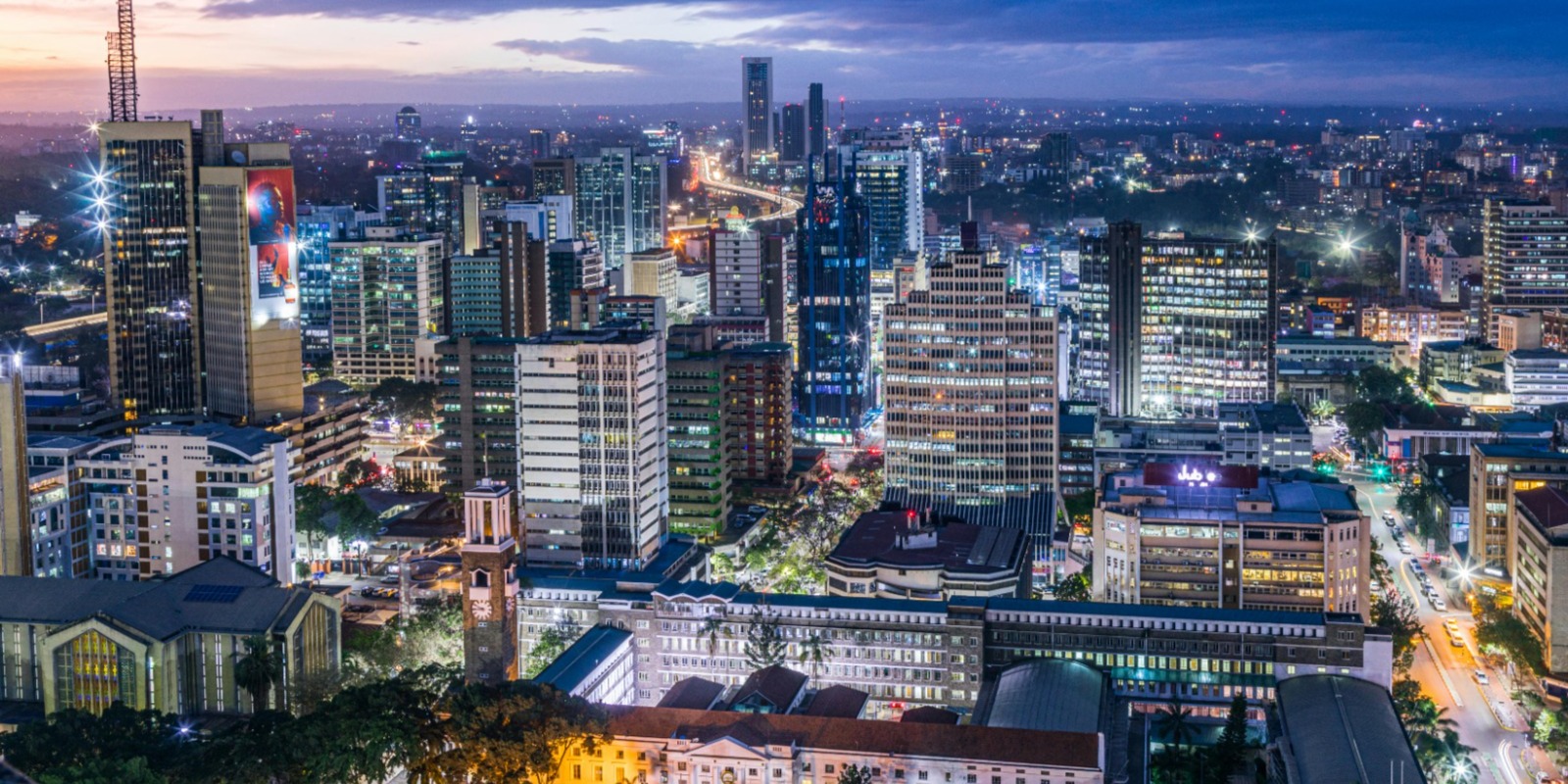
10. Nairobi – 6 million people. Nairobi city is the largest city and capital of Kenya. It is the main financial center for Kenya. Nicknamed the Green City of Africa, Nairobi is located in the southern central part of the country and is the only capital city in the world that has a National Park.
With just 137,456 in 1950, Nairobi has mushroomed to 6,00,290 by 2026 according to World Population review and the city’s population is growing at a speed of 4.05% per annum.
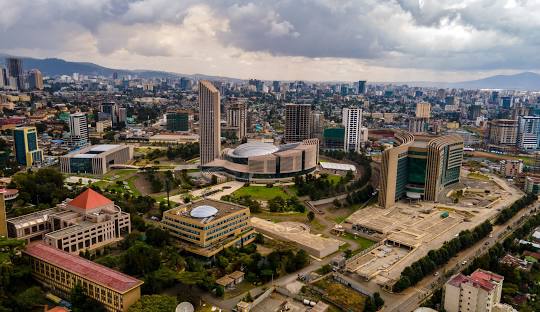
9. Addis Ababa 6.2 million people. This is the largest city and capital of Africa’s oldest country Ethiopia. The city is also the headquarters of African Union and hosts various continental and global offices increasing the importance of the city, capital inflow and definitely economic pull.
According to the latest annual UN Urban Projections, Addis Ababa population increased by 4.41% and the city currently hosts 6,219,080 as of 2026.
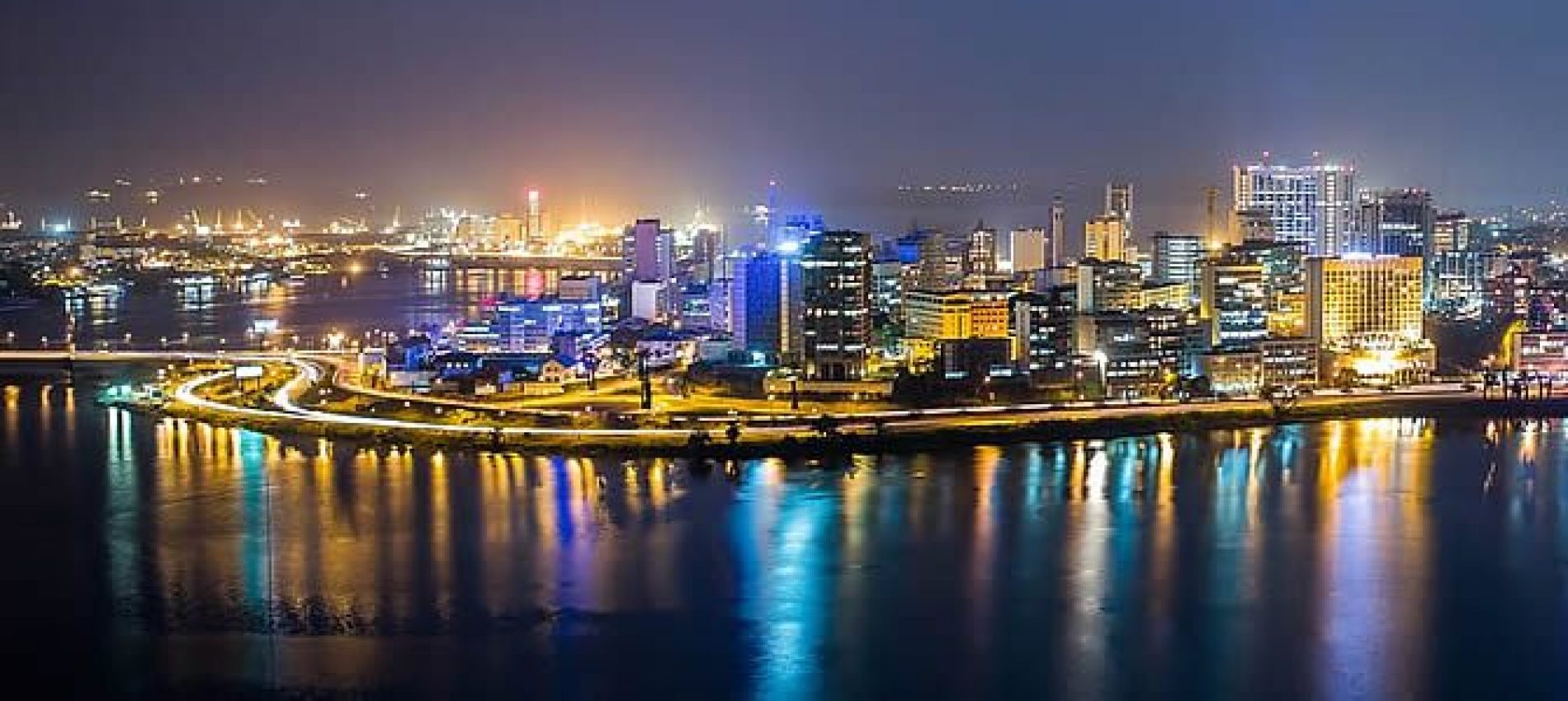
8. Abidjan 6.3 million people. The economic capital and largest city of Ivory Coast, Abidjan ranks as one of the largest cities in Africa by population. The former capital is the largest industrial and financial center of the West African country.
Growing at a speed of 3.2%, city’s population stands at 6,256,340 in 2026.
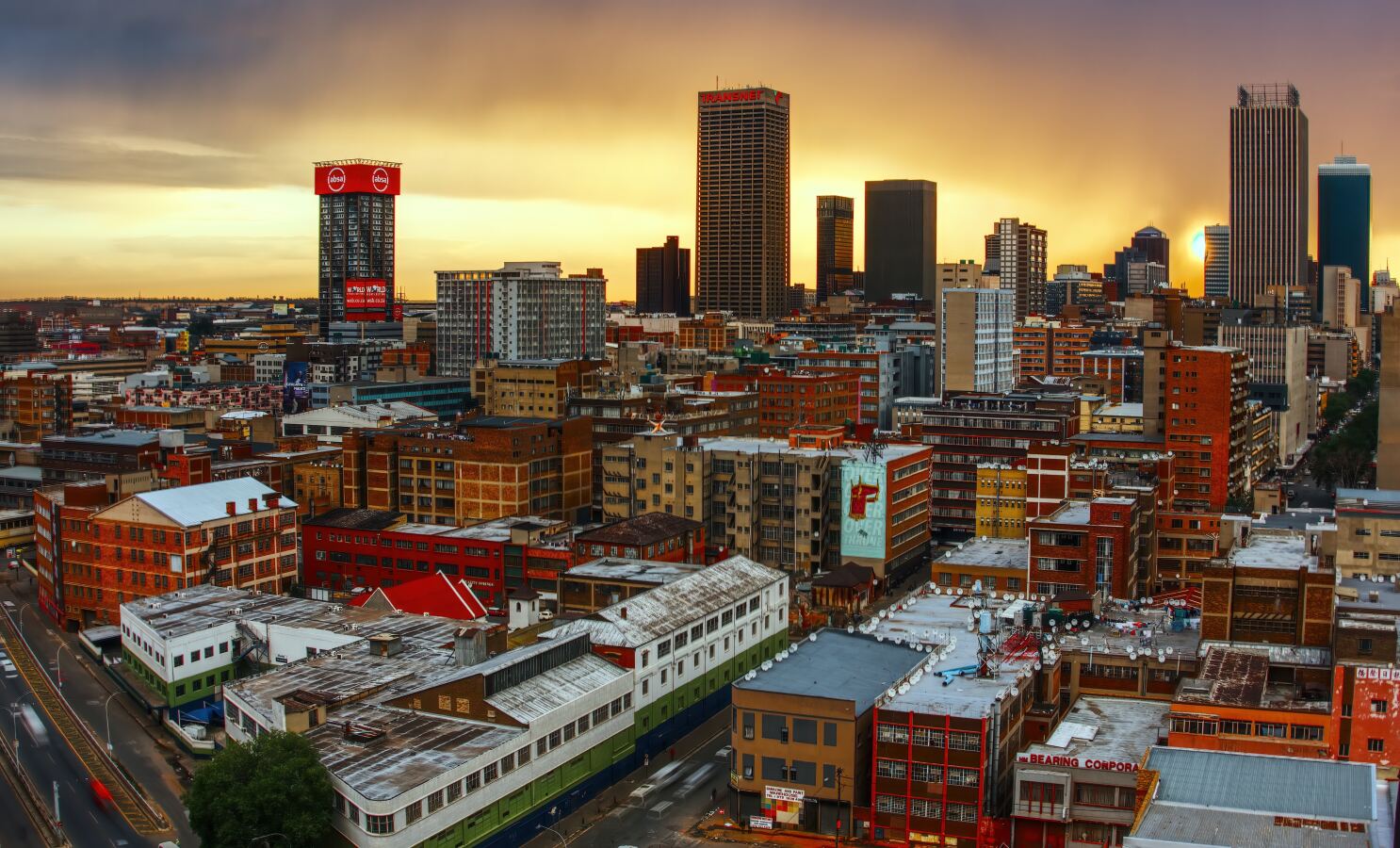
7. Johannesburg 6.6 million people. Dubbed the City of God, Johannesburg is the largest and most populous city of South Africa. The city is also the industrial and financial hub of South Africa with Johannesburg Stock Exchange JSE which is the largest Stock Exchange in Africa located in the city.
According to the UN World Urbanization Prospects, the city is growing at 1.78% and is a home to 6,559,190 people as of 2026.
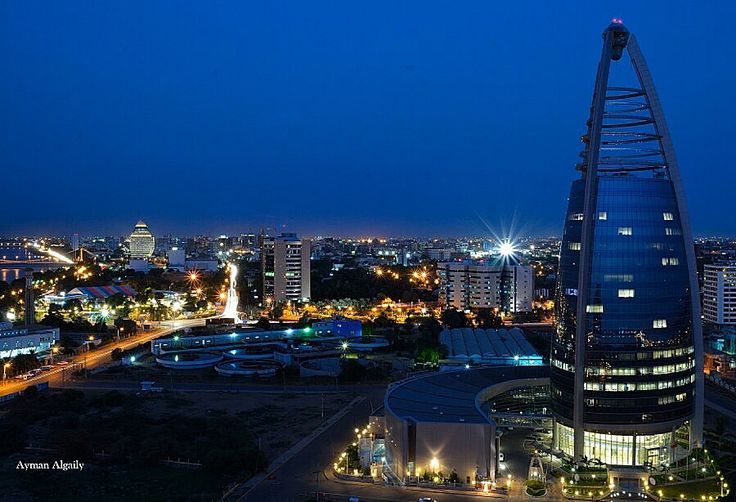
6. Khartoum: 7 million people. The largest and capital city of Sudan, Khartoum is located at the confluence of two great African rivers the Blue Nile and White Nile.
The population of the city was estimated at 7.1 million by Dermographia World Urban Areas report 2023, but ongoing civil war has caused a drastic shift in statistics seeing many people flee the city to seek refugee upcountry or in the neighbouring countries. Nevertheless, the city remains with a population of 6,980,600 as projected by World Population Review in 2026.
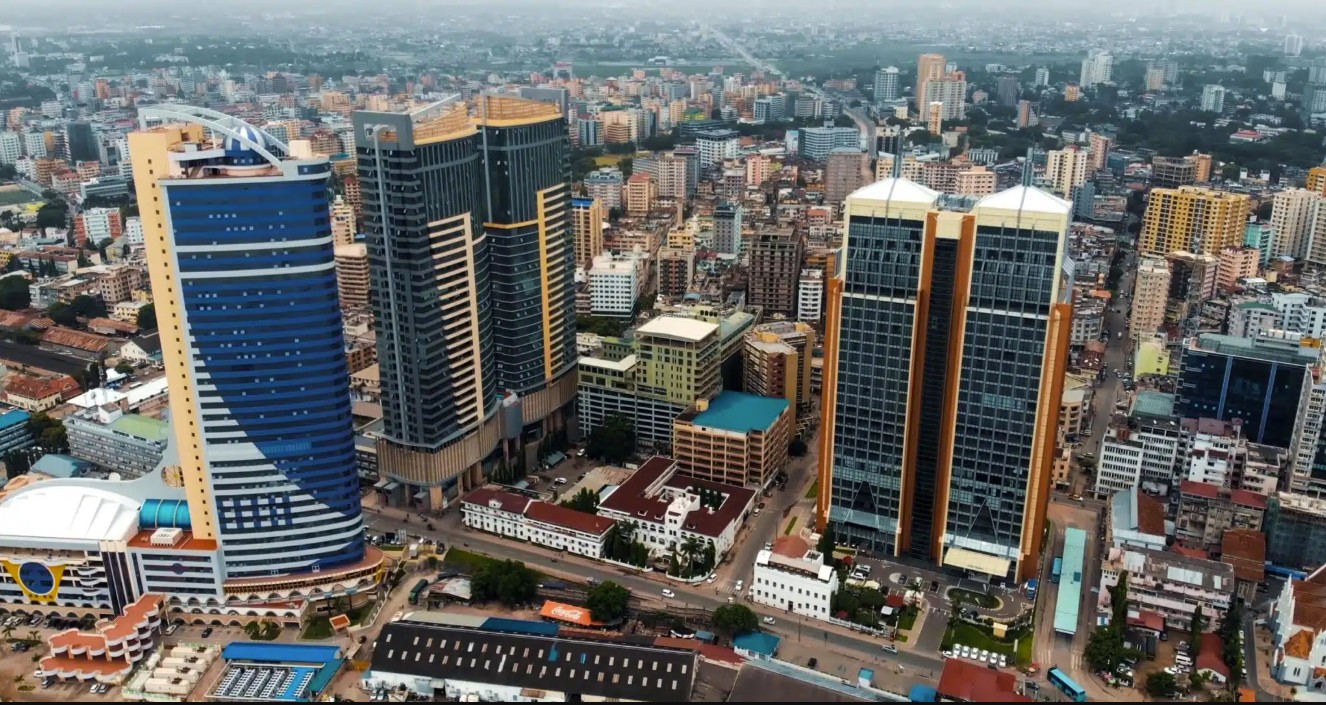
5. Dar es Salaam: 9 Million people. Dar es Salaam is the largest city in Tanzania and the largest port on the Indian Ocean coast of Africa. The former capital city is the chief financial city of Tanzania, leading also in education, industries, infrastructure and culture.
Dar es Salaam, literal meaning – The Abode of Peace, is the largest city in East Africa with 8,976,930 people, the fastest growing city in Africa at the annual rate of 4.85% and is projected to be the third largest city in the world by 2100 with 75 million people.
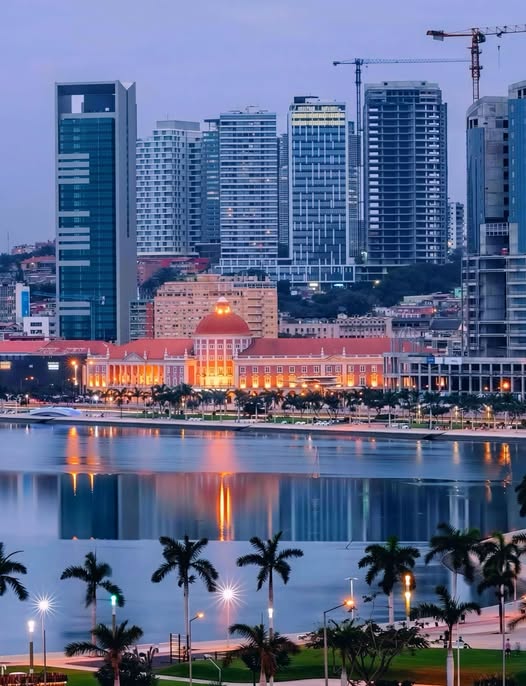
4. Luanda: 10.4 million people. This is the largest and capital city of Angola. Located on the Atlantic Ocean coast, the city is the country’s main economic and cultural center. The city is the most populous Portuguese speaking capital and largest Lusophone city outside Brazil.
The city is one of the oldest colonial cities of Africa, founded in 1576 by Portuguese explorers. The cities population grew from internal migration as more young people migrate to the city in search of opportunities.
The city’s population grew by 3.82% in 2026 and has population of 10,421,300 People.
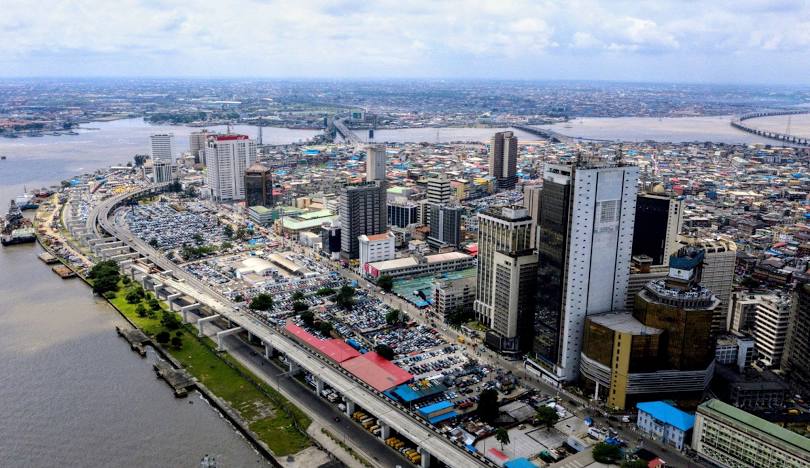
3. Lagos: 17.8 million People. Lagos city is the largest most populous city in Nigeria. It is the largest city in West Africa, the leading financial and cultural center of Nigeria. Itis the largest city on the African coast of Atlantic Ocean.
Unofficial estimates put Lagos’ population at 21 million but UN Urbanisation Projects report put the population of Lagos to 17,803,700. The annual growth rate Lagos’ population in 2026 stands at 3.77%.
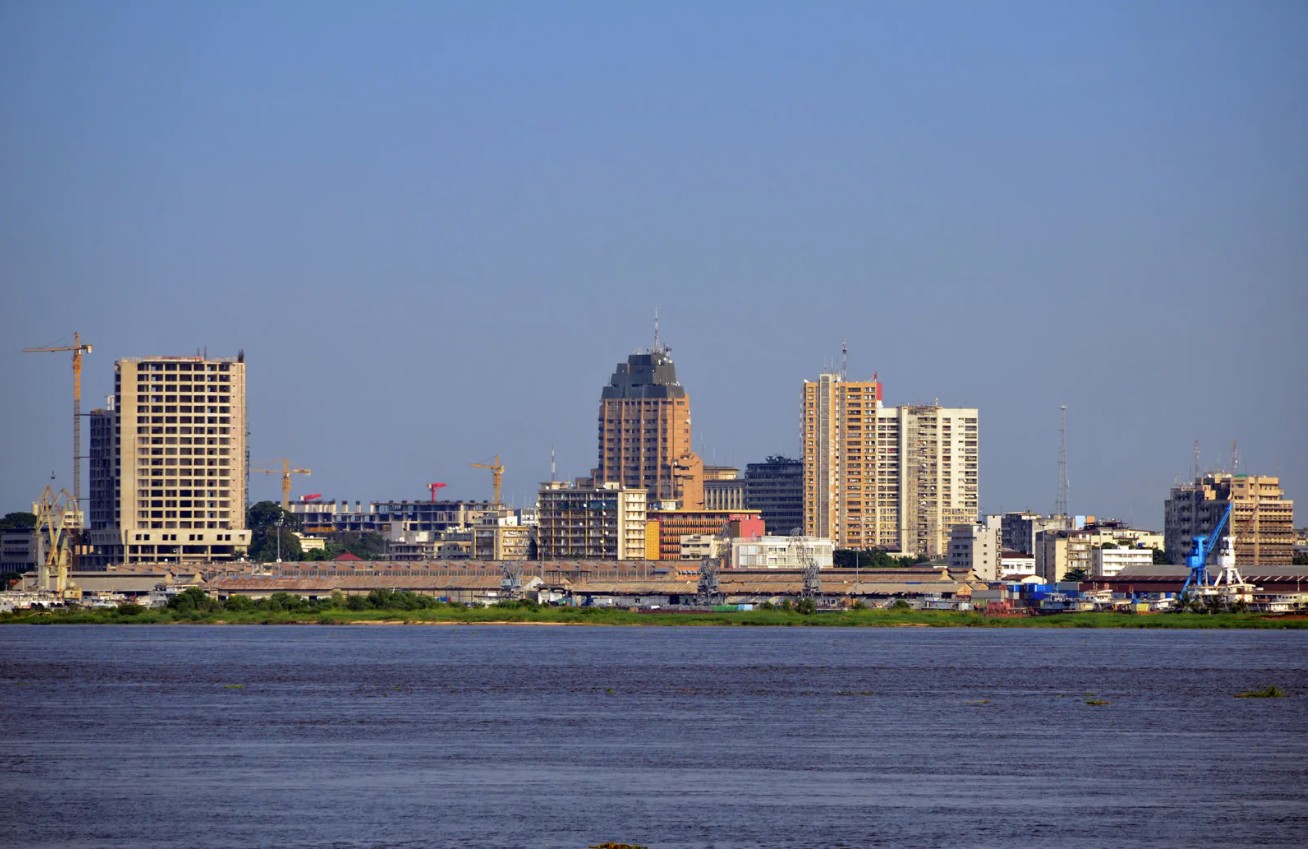
2. Kinshasa 18.6 million people. Kinshasa is the largest and capital city of Democratic Republic of Congo. The town is located along the Congo River. It is one of the world’s fastest growing megacities and together with Brazzaville of Republic of Congo, they form the Kinshasa- Brazzaville conurbation, along the two sides of River Congo, which is a home to 22 million people.
Kinshasa alone is a home to 18,552,800 people in 2026. Having grown by 774,300 people in the last year, the annual population growth rate is 4.36%.
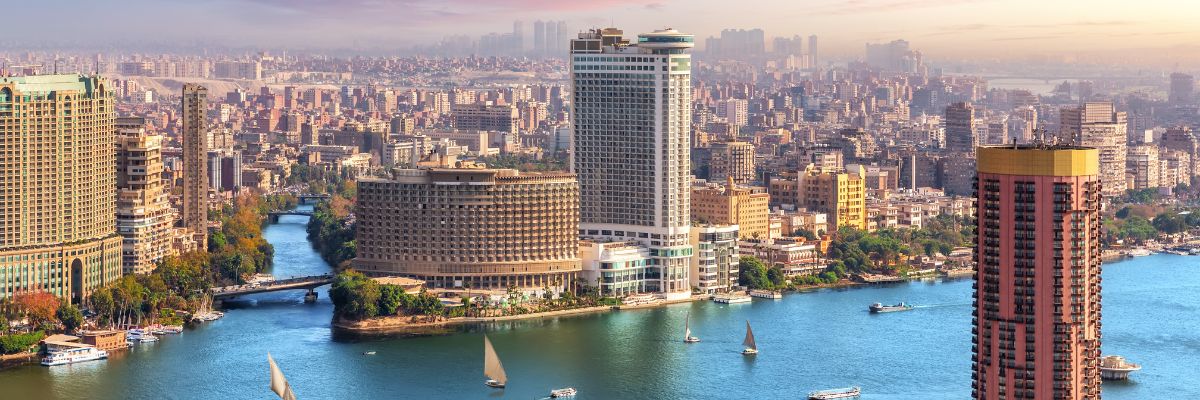
1. Cairo 23.5 Million People. Cairo is the capital and largest city of Egypt. Located along the Nile, it is the largest city in Africa and the largest city in the Arab World and the Middle East.
Cairo is an ancient city, having been founded over a millennium ago. By 1950, the city was already the largest in Africa with around 2.4 million people.
The city is a home to the highest number of High-Net-Worth Individuals (HNWI) in Africa with roughly 7200 millionaires. It is a top FDI destination and was ranked by IMF as the first economy among all cities of Africa in 2025.
As of 2026, the population of Cairo is 23,534,600 with the annual growth currently at 2%. The city also ranks as the 5th largest city in the world.
| Rank | City | Country | Population (2026 est.) |
|---|---|---|---|
| 1 | Cairo | Egypt | 23.5M |
| 2 | Kinshasa | DR Congo | 18.6M |
| 3 | Lagos | Nigeria | 17.8M |
| 4 | Luanda | Angola | 10.4M |
| 5 | Dar es Salaam | Tanzania | 9.0M |
| 6 | Khartoum | Sudan | 7.0M |
| 7 | Johannesburg | South Africa | 6.6M |
| 8 | Abidjan | Côte d’Ivoire | 6.3M |
| 9 | Addis Ababa | Ethiopia | 6.2M |
| 10 | Nairobi | Kenya | 6.0M |
From the historic and ancient city of Cairo, the lively growth of Lagos and Kinshasa, the urbanization of Africa is on fast speed. Higher populations of African cities have attracted investment and innovation with the leading cities of Egypt, Nigeria, South Africa and Kenya taking the lion’s share on the Seed funding to start ups coming to Africa and over all Foreign Direct Investment. Nevertheless uncontrolled growth of most of these cities have restrained resources, led rise to slums, unemployment being rampant in these cities and crimes becoming the new normal. It is positive however to note that respective African governments are doing all possible solutions to solve the challenges, including restructuring the cities and creating more jobs for the youths.
With the growing trends, not ignoring the other fast rising cities that include Accra – Ghana, Kampala – Uganda, Alexandria – Egypt, Casablanca -Morocco, Kano – Nigeria, which cities do you think will make it to the list of Largest Cities in Africa by Population, 10 years from now?