

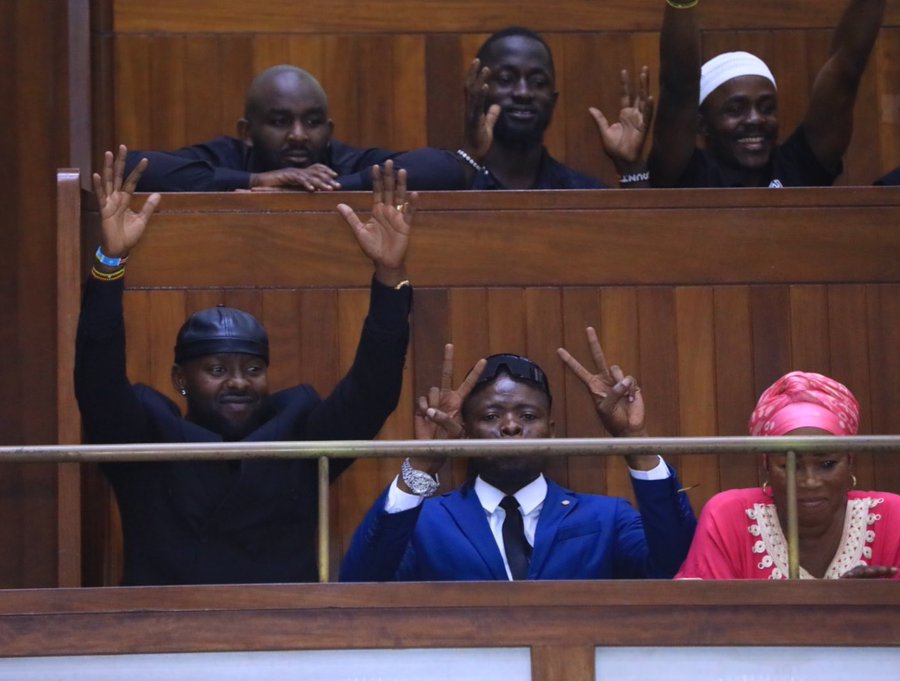
The Copyright and Neighbouring Rights (Amendment) Bill, 2025, has been passed by the Parliament of Uganda today, on 17th March 2026. The process marks an end to decades of musicians complaining that they were being exploited by people and companies who commercially use their content without paying for royalties.
The bill will ascend to the president for signing before it becomes law. The bill seeks to modernise Uganda’s copyright framework to match international standards and strengthen anti-piracy measures. Once signed into law, creators will be afforded fairer ways to earn from their content in broadcasting, public performances and digital spaces.
Popular Ugandan musicians led by Eddy Kenzo and Sheebah Karungi were present in the parliament as members of parliament voted.
This will be a game-changer as musicians will no longer solely rely on performances and one-off deals for earning, but also get additional income when their sounds, music or videos are played commercially on radio, Television, in bars, events, or public venues. There will be modern digital share revenue from callback ringtones, streaming platforms and other online uses.
The bill also equips musicians with stronger anti-piracy tools, which include tougher penalties and jail terms of up to 10 years for infringement, easier enforcement against unauthorised downloading and sharing, and more authority to effect takedown notices to hosting companies and social and aggregator sites like Google, Facebook, X or YouTube.
Listeners will be unaffected by this law; however, free downloads may be rare, but the price for purchasing music will likely remain the same, allowing a healthier creative industry and more local music production in addition to sustained careers for artists that listeners support.
Whereas artists are celebrating, the feeling might be different from that of media stations, public venues, bars and digital platforms, as the amendment directly targets them. Media stations have a new obligation to pay remuneration in the form of royalties to performers and producers for commercial use of their music or films. This applies to broadcasts, public performances and digital plays. This potentially increases operational expenses. Media companies will need to comply with the requirements, tracking and reporting plays.
As the country awaits the signature of the president, excitement and jubilation are deserved on the side of musicians, as this is a win for them. The law, if well executed, will increase the remuneration of musicians. Musicians who are no longer active in music will have a chance to earn from their music and earn decent money for their retirement. Musicians will have more control over how their work is distributed.