
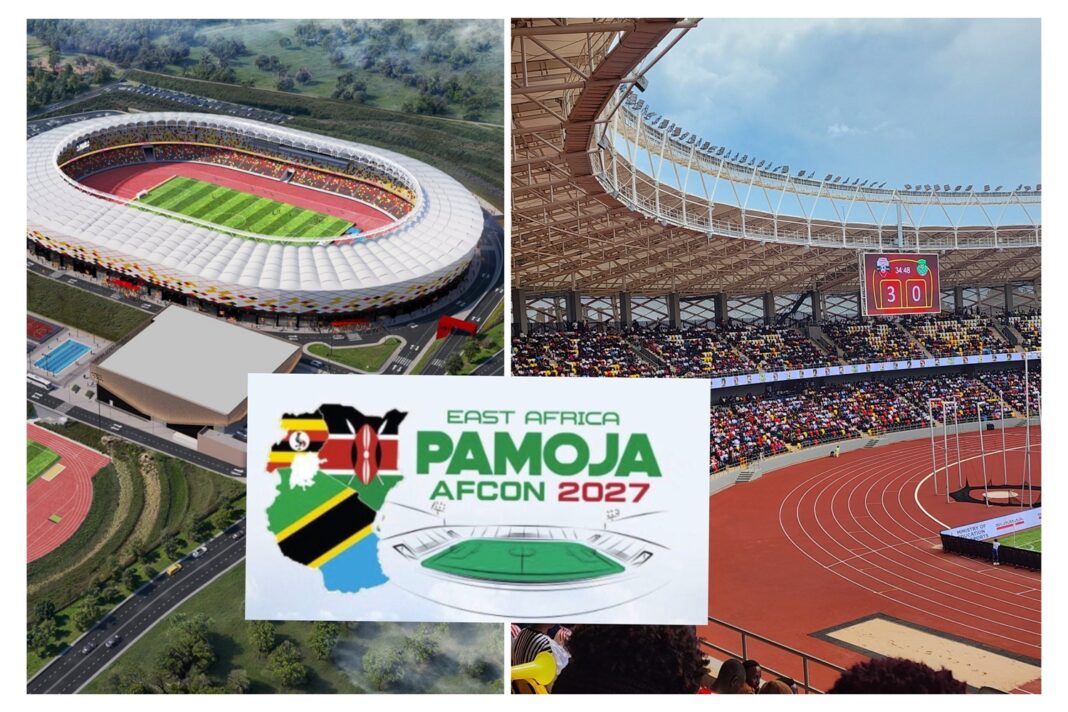
Uganda is set to co-host the TotalEnergies Africa Cup of Nations – AFCON 2027 alongside Kenya and Tanzania. The Pamoja bid is the first time in history that three nations have jointly co-hosted Africa’s most prestigious football event. As confirmed by the Confederation of African Football CAF – 2023, the event is scheduled for June and July 2027.
While stadiums and key infrastructure take the centre stage, The real game changer about hosting AFCON could be its direct and economic legacy, which is boosted by massive visitor influxes, bubbling demand for hotels, transport, ticketing and other local businesses in the country.
In the previous events, for instance, AFCON is said to have contributed over $1.15b to the economy of Morocco after the country hosted the 2025 AFCON, with more than 3,000 local companies indicated in official government figures, said to have participated in logistics and chain supply during the 1-month event that happened between December 2025 and January 2026.
With the event drawing closer, preparations are accelerating. Uganda, just like co-hosts Kenya and Tanzania, is fast-tracking the enabling infrastructure to have everything set in time. With Hoima City Stadium, Akii-Bua Olympic Stadium in Lira Progressing and the second upgrade of Namboole Stadium about to start, the incoming tournament could spotlight Uganda to the world.
The Legacy of Hosting AFCON to Uganda’s Tourism.
AFCON 2027, if well executed, will leave a lasting legacy on Uganda’s tourism. This will mainly be through major infrastructure, exposure of the country and increased influx of people coming specifically for the event.
Improved Infrastructure
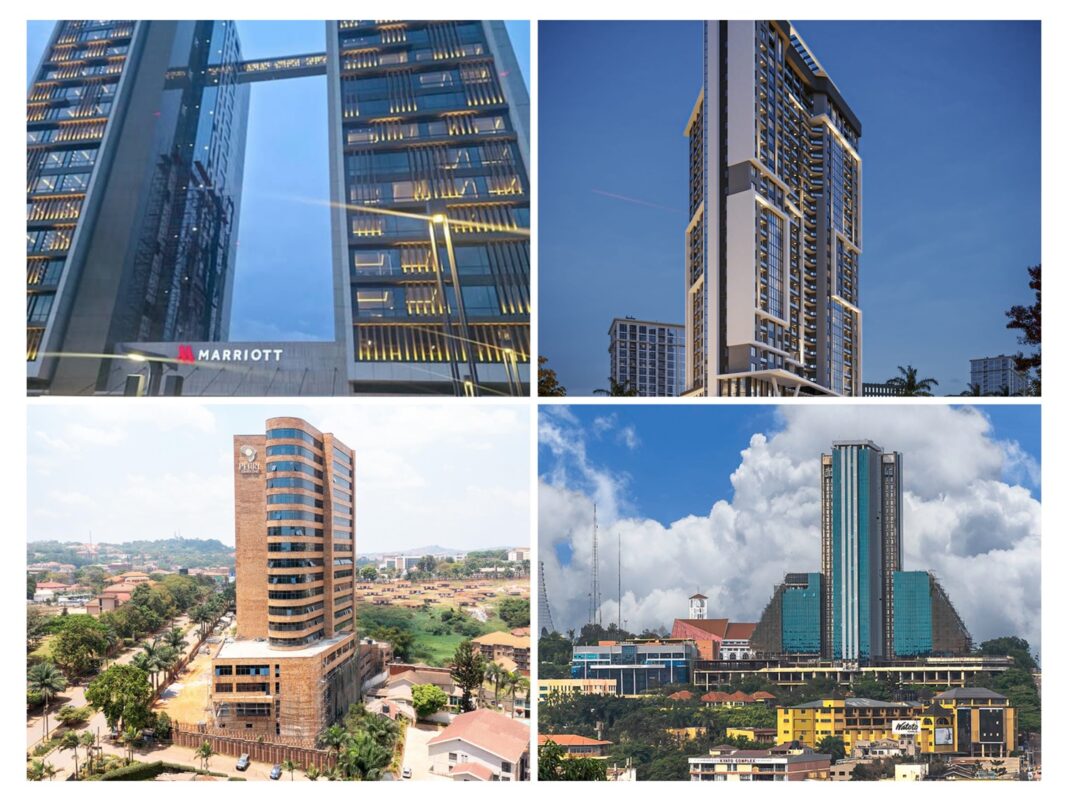
Hosting big events calls for improved infrastructure, both football infrastructure and other support infrastructure. Airport upgrades and construction, road construction, and five-star hotels are all being constructed, targeting AFCON 2027. Kabalega International Airport in Hoima, for instance, has been fast-tracked to see the new airport’s commissioning coincide with both oil production in 2026 and AFCON 2027 since Hoima is one of the host cities.
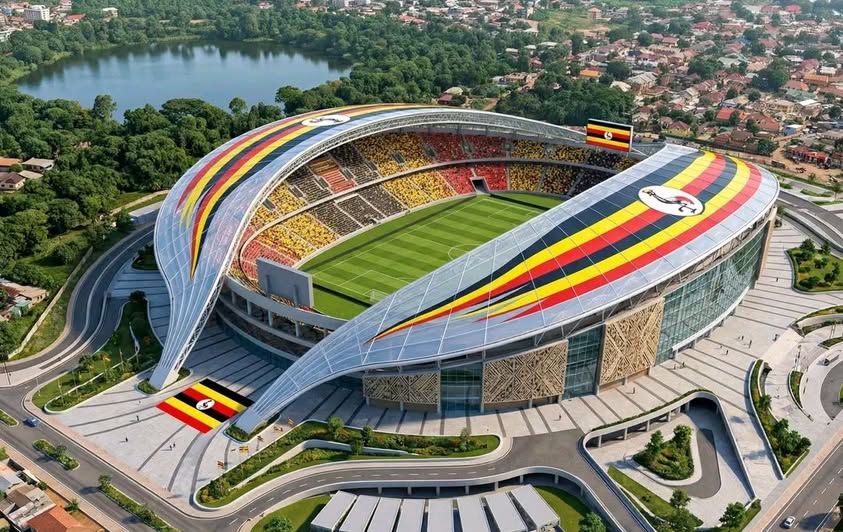
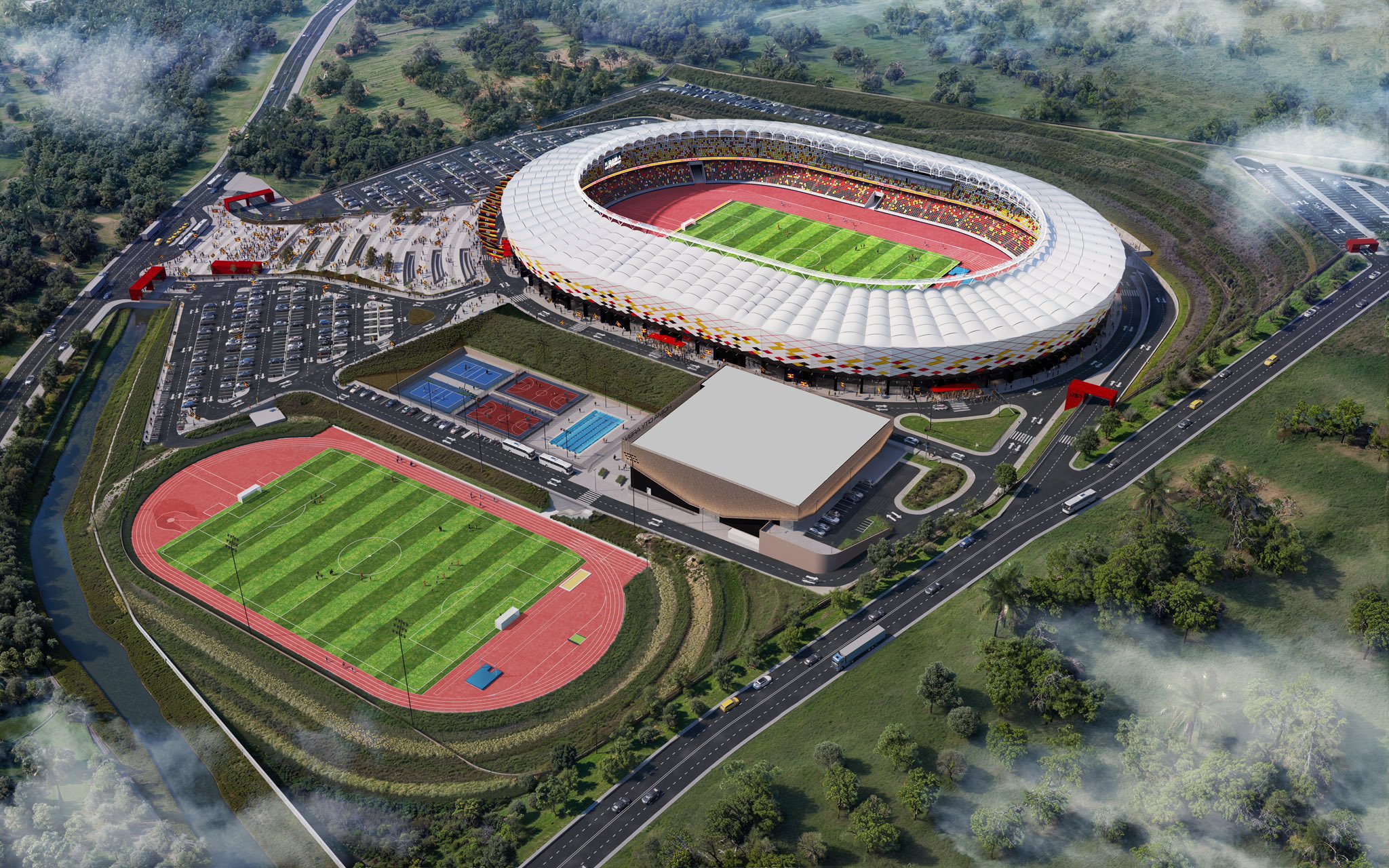
Hosting has seen Uganda construct two new standard stadiums in the country. The recently commissioned Hoima City Stadium and progressing Akii- Bua Stadium in Lira are specifically constructed to host AFCON. Namboole is also being upgraded in addition to various training facilities. These facilities put Uganda in a position to host other major international tournaments, including other national teams hosting their home matches in Uganda, CECAFA regional tournaments and a chance for a future World Cup bid. This, in turn, makes Kampala a hub of sports tourism.
| Stadium | Location | Capacity | Cost (UGX) | Completion | Legacy Potential |
|---|---|---|---|---|---|
| Akii-Bua Olympic Stadium | Lira City | 20,000 seats | 470 billion | Late 2026 / Early 2027 | High – Northern sports hub, multi-sport use |
| Hoima City Stadium | Hoima City | 20,000 seats | 484–500 billion | December 2025 (completed) | High – Oil-region hub, community & regional events |
| Mandela National Stadium (Namboole) | Kampala | 45,000–64,000 seats (post-upgrade) | 248 billion (Phase 2) | February 2027 (Phase 2) | Very High – National landmark, long-term events |
Increase in International Visitors.
AFCON attracts visitors from all over Africa and the world to the event. These include footballers and team officials, sponsors, journalists, and football fans from across Africa. These visitors go to cities hosting AFCON matches like Kampala, Hoima, and Lira, boosting hotel bookings, transport, tour companies and many others. On days when they have no matches, most of the visitors choose to tour the region, additionally boosting key tourism spots like Murchison Falls National Park, Bwindi Impenetrable Forest, Rwenzori Mountains, Entebbe Wildlife Recreation Centre and many others.
In the recently concluded AFCON 2025 in Morocco, the government reported that an estimated number of 600,000 people flew into the country specifically for the AFCON event. No wonder Morocco was the most visited African country in 2025.
Global Exposure for Uganda
AFCON matches are streamed across television and social media worldwide. This increases the visibility of Uganda all over the world. Football broadcasts always include coverage of matches in the stadium and also the city where the match is being held, especially in the build-up when the match is about to start. BeIN Sports alone reported a record cumulative 3.45 billion streams on all its channels and digital platforms during the 2025 AFCON in Morocco, showing the increased global demand for Africa’s football. CAF reported 6.1Billion digital views for AFCON 2025.
Countries that have hosted bigger events like the World Cup in Qatar or similar events like AFCON 2023 in the Ivory Coast and AFCON 2025 in Morocco have increased their global exposure.
Hundreds of thousands of fans who watch football also get to see Uganda’s landscape, tourist attractions, culture and hospitality. Their feedback on social media encourages thousands of the tourists to come to Uganda.
The AFCON tournament is always a collection of Africa’s best footballing stars, who are followed by millions of fans all over the world and play for the greatest clubs in the world. These football clubs with African players, including Bayern Munich, Barcelona, Real Madrid, Manchester United, Liverpool, Tottenham, Manchester City, PSG, Arsenal and others, keep updating fans about the presence and progress of their players in AFCON, which will be happening in Uganda, arousing the interest of the millions of fans about Uganda.
Impact of AFCON on the greater economy of Uganda
Whereas much of the emphasis is put on tourism, which is the sector expected to be impacted most by AFCON, there are other advantages that Uganda will reap from hosting AFCON that overlap with other sectors other than tourism alone. Infrastructure being constructed specifically for AFCON 2027 will outlive the event and will continue to serve the community after that. There is also increased business activity during AFCON.
Hosting such big events increases international confidence in the country, in return increasing foreign investment.
Creation of Jobs.
A lot of people have been employed in various projects in preparation for AFCON. These include construction workers, influencers, media and tour guides. During the event, more jobs will be created to increase those dealing in transport and logistics, ticketing, service providers, tour guides and many others.
In 2026, Morocco reported that approximately 100,000 people were directly employed during the preparation and hosting of AFCON 2025.
Growth of the Sports Industry.
Investment in sports facilities and exposure of Ugandan football to the global football market will help Ugandan football to grow. Local investment in football clubs and football infrastructure, youth development systems, and scouting systems.
Challenges and Risks involved with Uganda hosting AFCON
Delays in timelines of key infrastructure, especially stadiums, could hurt credibility, and the government should do all it takes to see all key infrastructure in place within the expected timeframe. In 2025, Daily Monitor reported delays in payment, which had paused the Akii Bua Olympic Stadium project; that bottleneck was later cleared, and construction progressed.
Events like AFCON so often become white elephants, with the government investing in more than the economic benefit. The Qatar government in 2022 was reported to have invested in $220 billion, a figure that made no economic sense inasmuch as the event was successful. Uganda has so far invested more than $1B in infrastructure and stadiums, and it would need a clear plan and execution for the country to profit from hosting the event.
Uganda is co-hosting with Tanzania and Kenya, countries that have additional coastal features when it comes to tourism. This makes Uganda compete with co-hosts Kenya and Tanzania for the benefits to be reaped from the event.
If well executed, AFCON could elevate Uganda’s tourism to over 10% of the GDP and could create lasting jobs for the young and growing population of the country. The event will also let Uganda gift itself with lasting infrastructure like stadiums, which will position Uganda as a sports hub for potential future events, including the World Cup bid. The event will place Uganda among the footballing nations of Africa, increasing the sporting legacy that has been created by the country in sports disciplines like Netball and athletics
From my perspective as a Ugandan, hosting AFCON is both a catalyst for the country’s modernisation in sports and also regional pride, seeing the largest sporting event on the continent, hosted in the Pearl of Africa.