

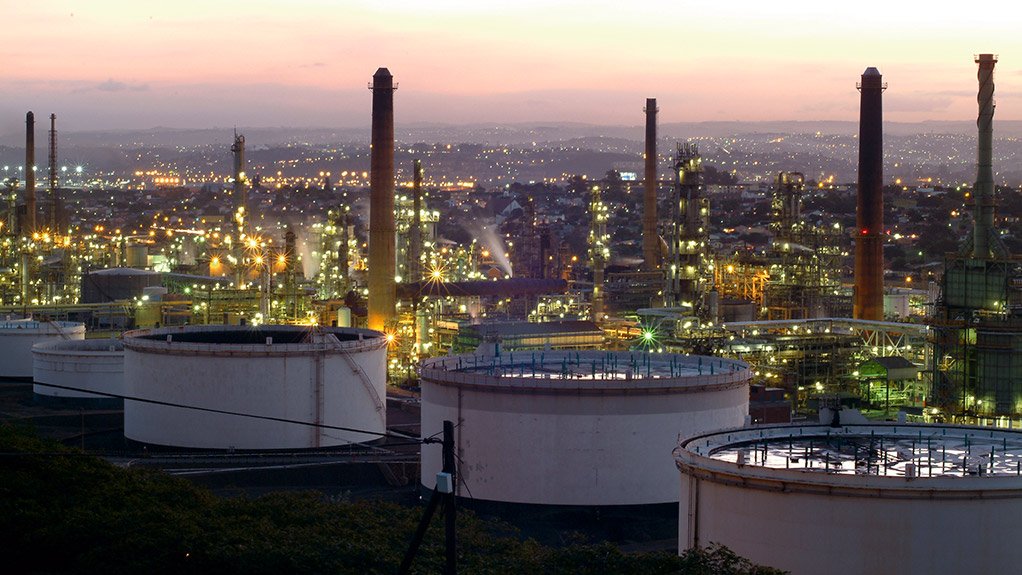
African economies are growing at the fastest rates in the world, with 8 of the 10 fastest-growing economies in the world belonging to Africa. The rapid rise of African economies is mainly due to the use of resources that have been lying idle, an increase in service-sector output, especially tourism and ICT, post-conflict recovery, and an expansion of consumer markets.
No African economy is expected to shrink in 2026, highlighting the positive trajectory the African economies are undertaking.
Sub-Saharan economies dominate the list of fastest-growing economies, with small and medium economies taking the largest strides. Largest African economies, on the other hand, increased by a smaller percentage, with the largest economy, South Africa, projected to increase only by 1.2% in 2026, Egypt by 4.5%, Nigeria by 4.2% and Algeria 2.9%.
The list compiled below is based on the most recent official projections from the IMF World Economic Outlook (October 2025 and January 2026 update) and the World Bank Global Economic Prospects 2026. The list analyses the reasons for the economic boom.
Here are the top 10 fastest-growing economies in Africa for 2026
10. Zambia 6.4%
Zambia is a landlocked country located in the south of the African continent. The capital and the largest city of the country is Lusaka. The country’s economy currently stands at $33.95B in 2026, projected to grow at 6.4%.
Zambia’s fast rise is due to the expansion of copper mining, with the country targeting a significant increase in copper output. Copper exports account for 70% of exports. The increase has also been further facilitated by contributions of agriculture, renewable energy, especially large solar projects, ICT and tourism.
9. Ivory Coast (Côte d’Ivoire) 6.4%
Ivory Coast is currently undergoing massive development in the manufacturing, service sector and urban development. The country’s economy is projected at $111 billion, making it the 9th largest economy in Africa, while the country’s largest city and financial hub Abidjan, is currently the 7th largest city in Africa by population with 6.3M people in 2026.
The economy of the Ivory Coast is being fueled by Cocoa production and processing, oil production, massive infrastructure and the growing financial sector in the country. Ivory Coast is the largest producer of Cocoa in the whole world.
Top 5 Cocoa Producing Countries in the World
(Cocoa Bean Production – Latest Estimates 2025–2026 Season)
| Rank | Country | Production (tonnes) | Approximate Share of Global Production |
|---|---|---|---|
| 1 | 🇨🇮 Côte d’Ivoire (Ivory Coast) | ~1,850,000 – 2,200,000 | ~38–42% |
| 2 | 🇬🇭 Ghana | ~530,000 – 700,000 | ~12–15% |
| 3 | 🇪🇨 Ecuador | ~400,000 – 650,000 | ~8–12% |
| 4 | 🇮🇩 Indonesia | ~200,000 – 630,000 | ~5–12% |
| 5 | 🇳🇬 Nigeria | ~310,000 – 350,000 | ~6–8% |
8. Niger 6.7%
Niger is a landlocked country in West Africa. Located in the Sahel, Niger is one of the poorest countries in Africa, but the economy has been growing at a fast pace. Estimated growth in 2024 was 10.67%, one of the highest in the world. The country’s GDP is estimated to be $26 billion, projected to increase by 6.7% in 2026.
Niger’s fast-rising economy is due to increased oil production, gold, uranium mining and export. The country is also undergoing massive infrastructure development, especially in the capital Niamey.
Despite this increase, poverty levels remain high in Niger due to a harsh environment that doesn’t favour agriculture, high population growth and insecurity in the Sahel region
7. Benin 6.7%
Benin is a West African country located on the Atlantic Ocean coast. The country’s capital is Porto Novo, and the largest city is Cotonou. The GDP of the country is estimated at 27.5 billion, projected to grow at 6.7% in 2026, according to the IMF.
The economic growth is mainly facilitated by the agriculture business, manufacturing industries, especially textiles and its role as a trade hub offering port and logistics services to landlocked countries of Niger, Burkina Faso and to a lesser extent, Mali. The political environment of Benin has also been stable, facilitating growth, but coup attempts are threatening the hope of democracy and peace. The country also neighbours Burkina Faso and Niger in the north, which are prone to insecurity, posing a threat to the security of Benin.
6. Ethiopia 7.1%
Ethiopia is currently undergoing structural reforms, which are revamping the economy. The second-largest economy in East Africa currently has a total GDP nominal of $126 billion, making it the 7th largest economy in Africa. Ethiopia is the most populous landlocked country in the world, the second most populous country in Africa and Addis Ababa, the largest and capital city of Ethiopia, is the 9th largest city in Africa by population.
Ethiopia’s economic growth is facilitated by Agriculture. Ethiopia is currently the biggest exporter of coffee in Africa. Mining and hydroelectricity generation are also major drivers behind the fast-growing economy of Ethiopia. Liberalisation of the foreign exchange of the country’s currency and the $3.4B restructuring of IMF debt have had a positive impact on the economy.
5. Rwanda: 7.5%
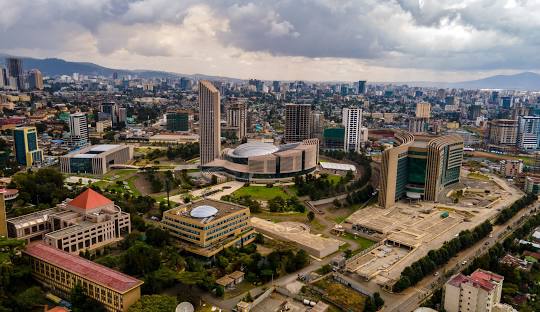
Rwanda is one of the smallest countries in Africa by land area; however, the East African country is one of the fastest-rising economies on the continent. The country’s capital and largest city is Kigali. The country has experienced political stability since the takeover of the country by the Rwanda Patriotic Forces led by current president H.E Paul Kagame in 1994 after years of civil war.
The country’s economic boom is boosted by an increase in tourism after the country’s aggressive marketing, including taking premium deals with top European football clubs like Arsenal, Paris Saint-Germain and Atletico Madrid. Gorilla tracking is one of the key tourism activities in the country. The country has also focused on ICT, and Kigali is home to various FinTechs and other tech start-ups. Public investment, especially in infrastructure like Busegera International Airport, is also a key contributor to economic growth in Rwanda.
4. Uganda 7.6%
Uganda is a landlocked country located in the East African region. the country has been one of the fastest economies in the world in the last decade and is currently the 5th fastest-growing economy in the world. Security stability after the defeat of the major warlord Joseph Kony two decades ago sparked off unhampered economic growth. The economy currently stands at $66 billion, up from around $10 billion in 2006.
The economy of Uganda is expected to grow at a rate of 7.6% according to IMF projections, with the growth facilitated by expected first oil income in the second half of 2026, with over $580 expected to be earned from the long-awaited oil in 2026 alone. An increase in coffee and gold exports in 2026 is also contributing to the fast-rising economy.
Additionally, Uganda is currently undertaking major infrastructure construction, stimulated by oil production and incoming AFCON. This has positively impacted the economy.
Top 5 Projected Uganda’s Exports in 2026
(by estimated value in USD billion)
| Rank | Export Commodity | Projected Value (2026, USD billion) | Key Drivers / Notes |
|---|---|---|---|
| 1 | Gold (semi-manufactured/bullion) | ~6.0 – 7.0 | Dominant export; continued high global prices and strong volumes. Gold has led exports since overtaking coffee. |
| 2 | Coffee (mainly green beans) | ~2.2 – 2.6 | Robust production, favorable prices, and steady international demand. Key forex earner for agriculture. |
| 3 | Crude Oil (early production) | ~0.4 – 0.6 | First commercial exports expected in H2 2026 via the East African Crude Oil Pipeline. Government forecast: ~$587–594 million for FY 2026/27 |
| 4 | Cocoa Beans | ~0.35 – 0.45 | Steady growth in output and global chocolate demand. |
| 5 | Sugar (raw/refined) or Fish | ~0.18 – 0.25 | Agribusiness expansion and regional demand; fish from major lakes as a traditional earner. |
3. Sudan 9.5%
Sudan has been undergoing a civil war, which has crippled the economy. Inflation is estimated at 41.6% – 54.6%, and the unemployment rate is at 58% according to the IMF. The economy currently stands at $39.47 billion in GDP Nominal. But under such conditions, the economy of Sudan is showing resilience and growing at one of the fastest rates in the world, with the 2026 growth estimates at 9.5%.
The fast recovery is due to the stabilisation of security in most regions of the country, which has facilitated post-conflict recovery and reconstruction, resumption of the mining sector and the salvation from devastating floods that destroyed agriculture and infrastructure in Khartoum 2025, allowing the country to grow at a fast speed.
2. Guinea 10.5%
Guinea has the fastest-growing economy in West Africa. The fast-rising economy of Guinea is mainly due to the mining boom, the increased mining of bauxite with Guinea being one of the leading producers of Bauxite. The upcoming iron ore mine from Simandou will contribute positively to the economy of the country.
Top 5 Exports of Guinea (2024)
by value in USD
| Rank | Export Product | Value (USD) | Approximate Share |
|---|---|---|---|
| 1 | Aluminium Ore (Bauxite) | $8.31 billion | ~86% |
| 2 | Cocoa Beans | $485 million | ~5% |
| 3 | Gold | $448 million | ~4.6% |
| 4 | Coconuts, Brazil Nuts, and Cashews | $97.9 million | ~1% |
| 5 | Petroleum Gas | $48.5 million | ~0.5% |
1. South Sudan 22.4%
Located in East Africa, South Sudan is the poorest country in Africa. It is the newest country in Africa, having become independent in 2011. The country has been hit by insecurity since its independence, which has been hindering the economy. It is surprising, however, that the economy is projected to be the fastest growing economy in 2026, with IMF prospects putting the economic growth 22.4% while World Bank estimates growth at 48.8%.
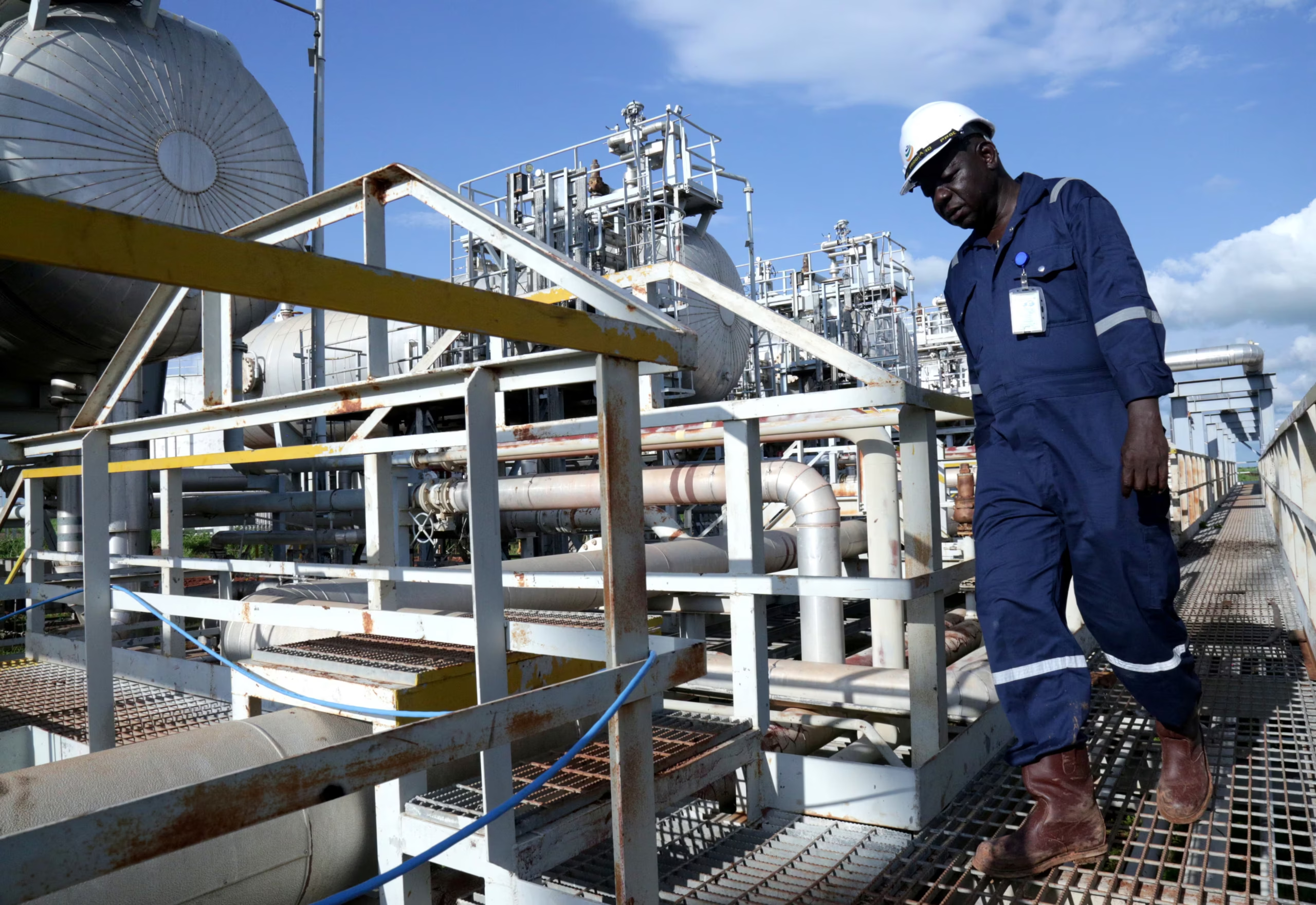
The surge of the South Sudan economy in 2026 is mainly a result of the resumption of oil export, which had been disrupted by the 2024 pipeline disruptions. Oil accounts for almost all the revenue of the government, and it is the backbone of the country, where Agriculture only exists at the subsistence level.
With rising economies in Africa, an increase in consumer markets, and the diversification of economies, Africa will indeed be a big player in global markets. The continent needs to check on the bottlenecks, especially insecurity, political instability and poor connectivity. With the current construction of major infrastructure in almost all African countries, when coupled with an increase in production, the continent will take a big step in solving trade deficits with the Americas, Europe and Asia.