

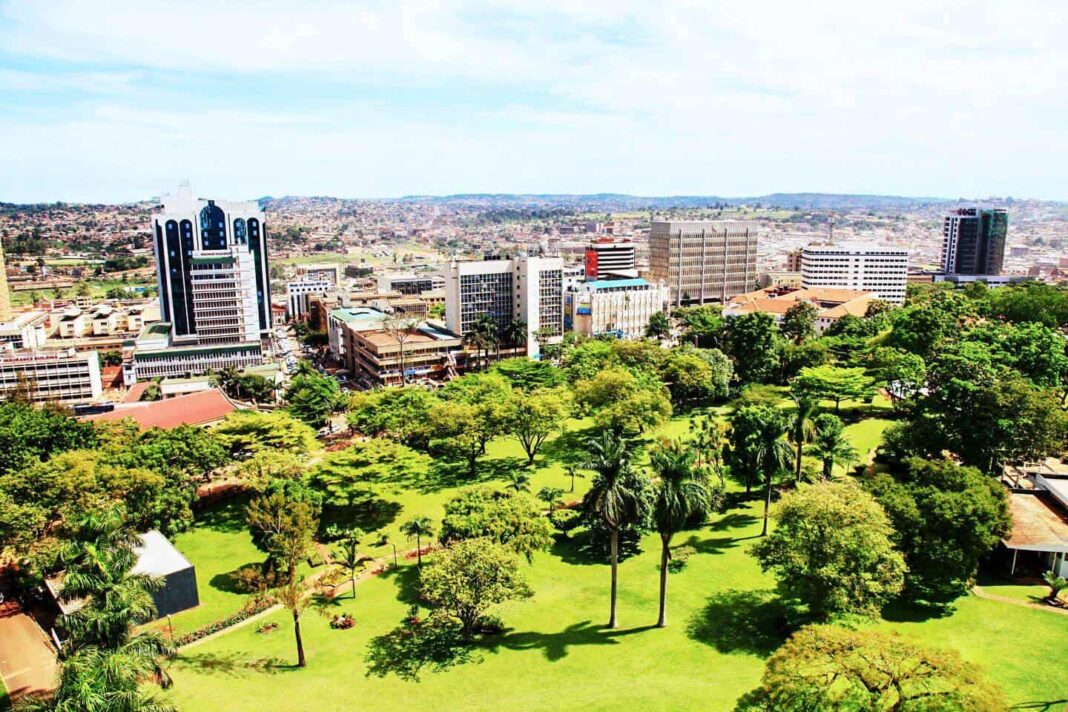
For years, Kampala has struggled with waste management, clogged drainage channels, littered streets, poor navigation on the city streets, over-crowded streets, street vendors blocking walkways and dust-filled roads that dye the city brown.
A visit to Kampala, especially on Namirembe road, Luwum street or downtown, felt like you were lost in the Mexican carnival, with everyone going everywhere and everyone selling everything. From vendors selling kitchenware, agricultural products, clothes, with sellers grabbing you as you pass by to buy, accessories displayed in the middle of the roads, then a born-again and a Muslim cleric arguing on the microphone about which is the true religion, all this in a radius of less than 50 metres.
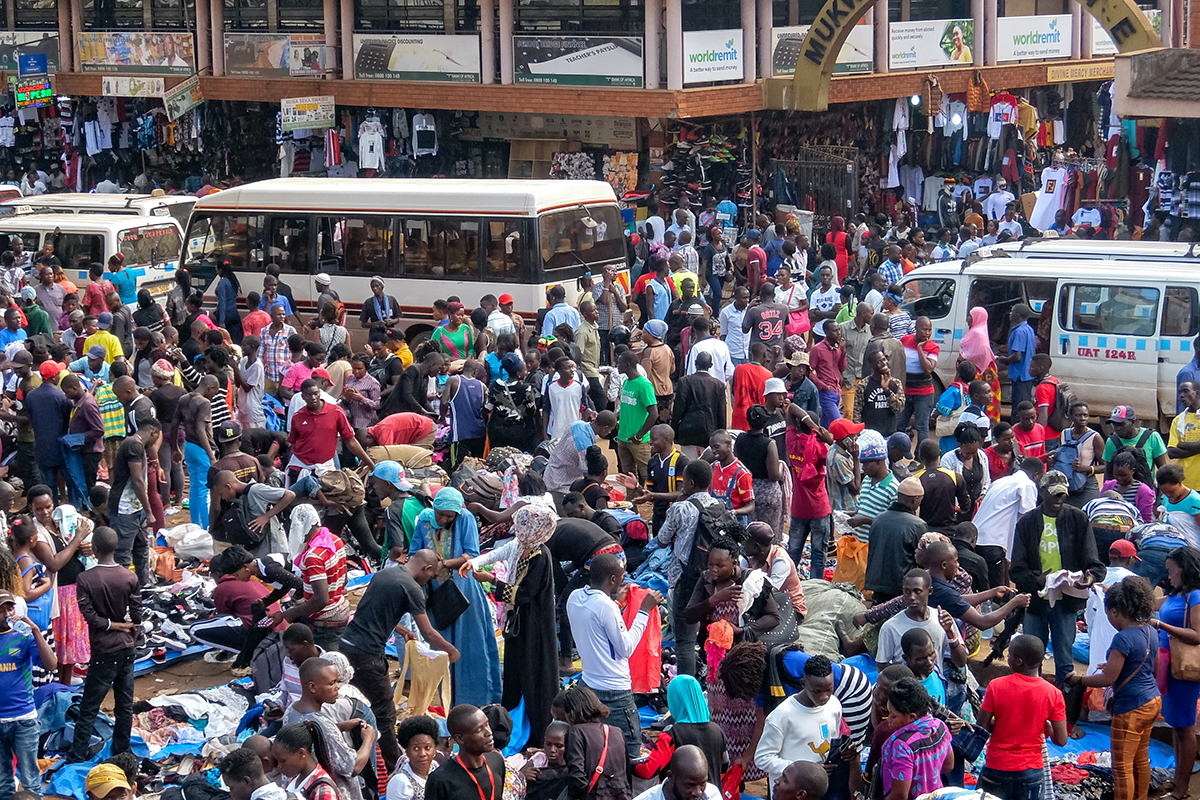
Photo: Edna Namara, GPJ Uganda)
Rapid urbanisation and population growth, uncontrolled housing and settlement patterns and city politics have placed significant strain on the city’s sanitation systems. It is encouraging to note that recent efforts by the Kampala Capital City Authority are beginning to show promising results, making the once-disorganised city streets avenues of beauty.
The Long-Standing Waste Challenge
Kampala’s sanitation problems are a combination of various reasons that have gone unaddressed for a long period of time, with each contributing a share to the problem.
Kampala’s population has been growing rapidly, with the city being ranked the second fastest growing city in Africa. Population growth is mainly due to rural-urban migration. Kampala is now a place for over 4 million people during the day. These generate massive amounts of waste, around 2,500 tonnes daily, while the infrastructure is not growing at the same pace, leading to strain on existing systems.
Inadequate waste collection coverage, with only about 65% of the generated waste being collected by KCCA according to the 2024 KCCA Report and the uncollected waste being illegally dumped into unauthorised areas, wetlands or burned openly. This is mostly done in informal settlements. On Kampala streets, up much of garbage generated is collected formally; nevertheless, heaps of garbage can be seen on some streets, like William Street. The recent collapse of the Kiteezi landfill exacerbated the problem.
Poor drainage systems, clogged by waste like plastic bags, bottles and other biodegradable waste, causing frequent flooding with waste further spreading to streets.
Crowded Streets with Street vendors who lack proper regulation, generate a lot of waste and do not have any proper means of garbage disposal. Vendors occupy streets and walkways, making streets close to impassable, and littering of garbage happens everywhere.
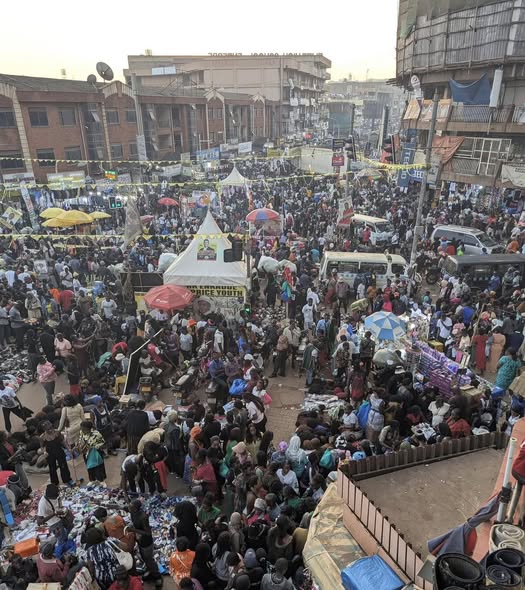
Photo: Ivan Atuhaire
Weak regulatory enforcement, where, despite ordinances, illegal dumping persists, and interventions are often fragmented.
Need for a Clean Urban City
Cities need to be clean. Proper sanitation provides a good environment for growth and development.
They attract tourism, boosting the city’s economy. Clean cities furthermore attract investment in various projects, including green energy, ICT and the service sector.
Read also: Top 5 Mega Infrastructure Projects that are Transforming Uganda
A clean city promotes public health as littered places are fertile hatching grounds for many disease-spreading organisms, and diseases like typhoid are common in untidy places.
New Measures by the Kampala Capital City Authorities
Recently, Kampala Capital City Authority – KCCA has undertaken several measures to address these problems, and Kampala streets are once again getting that fresh breath.
In February, the Minister for Kampala, Minsa Kabanda, gave a directive to all street vendors to vacate the streets, creating ample space for street navigation, walkways, and monitoring of the streets. KCCA enforcement team has been making sure the directive is carried out, and the streets that had turned wild, like Namirembe road, are now getting orderly.
Road washing and mechanical deep cleaning — KCCA kicked off an intensified road washing on March 7, 2026. The authority uses high water pressure jets, scrubbing brooms, mechanical sweepers, and water trucks to remove mud, dust, grime and debris off the streets, pedestrian lanes, cycling corridors and non-motorised transport areas like Luwum street.
Night-time and midnight operations. Large-scale nighttime deep cleans have also been launched by KCCA. These transpire during off-peak hours at night, targeting high traffic zones in the central business district (CBD). This deep clean removes waste, clears debris, washes surfaces, repaints road markings and addresses grimy areas exposed to post-vendor evictions. Night shifts for cleaning have helped in reducing disruption of the usual business while tackling sanitation and pollution.
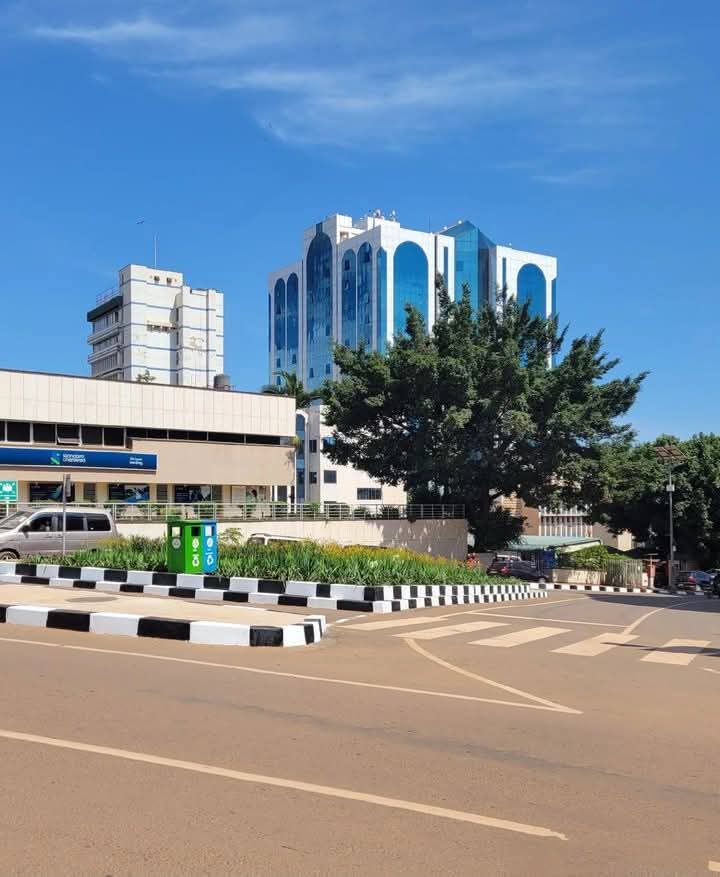
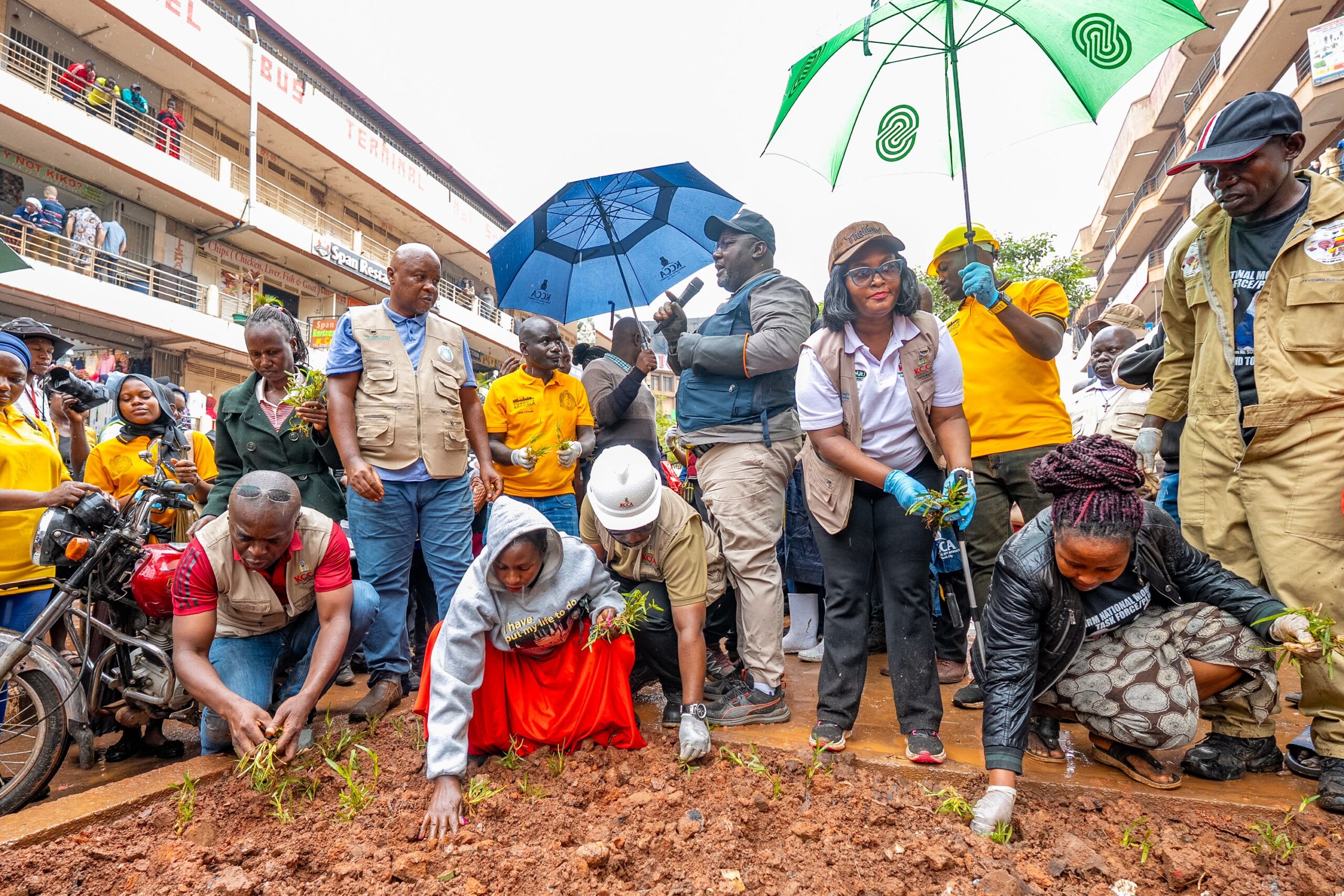
Green Streets campaign continuation — Following February’s vendor relocations, KCCA has freed up walkways, allowing KCCA to restore the green areas, planting of trees and flowers, giving the city a new breeze. Streets like Nkurumah Road, Luwum Street, and Namirembe Road, which had seen the green areas eroded by pedestrians, are now being rejuvenated.
KCCA has undertaken broader supporting measures to involve the community in cleanliness and waste responsibility. The KCCA Weyonje campaign calls for collective action towards the Clean, Green and Smart city.
Drainage upgrades done under the Private Public Partnership have helped in improving drainage and reducing floods. Drainage channels have been upgraded by KCCA, while others have been developed by private investors to tackle the problem of floods in the city.
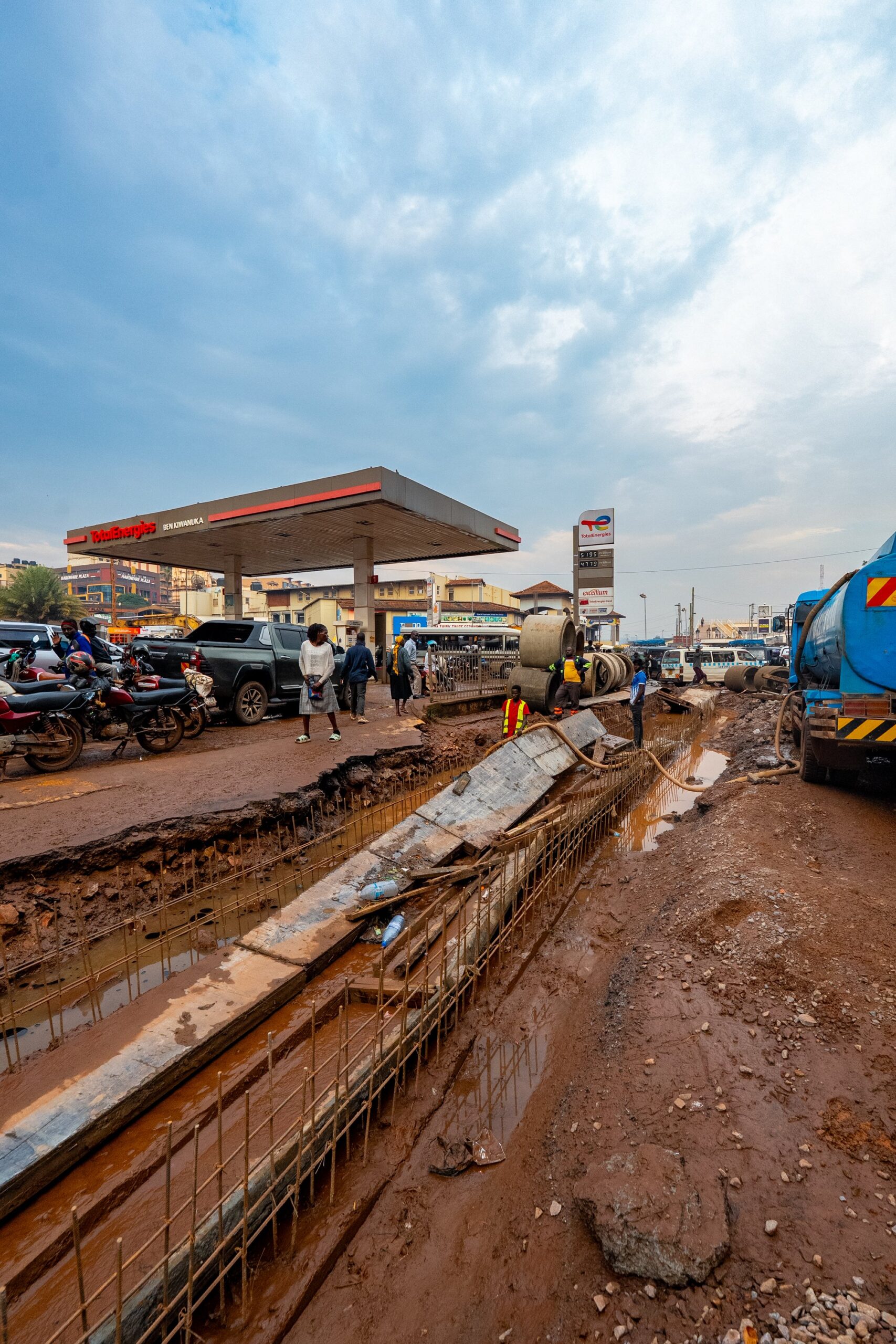
Photo: KCCA Media
Visible Improvements in Kampala
With these efforts by the Kampala City Council authority, improvements in Kampala’s sanitation are visible. These range from improved waste management, reduced litter, increased green gardens in the city and clean roads.
Namirembe Road, for instance, is one of the noticeable streets where plants are being planted to beautify the road islands. Making the street cleaner and more attractive.
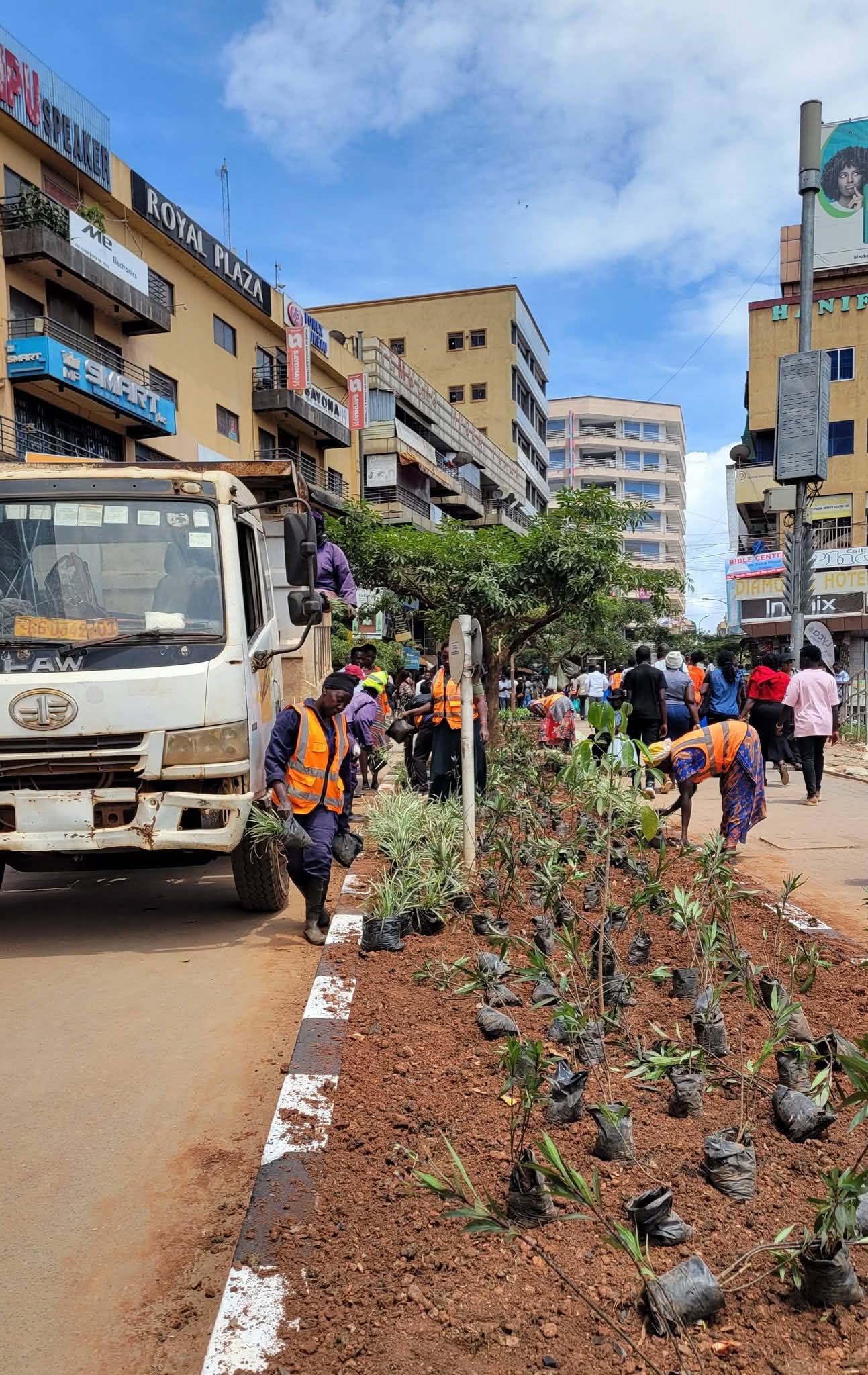
There are cleaner and more open sidewalks, easing navigation in the city, giving the city a fresher look.
Reduced grime, dust, and mud build-up on streets due to periodic road wash. The public has been giving positive reviews on the roads and the new level of sanitation in Kampala.
Remaining Sanitation Challenges
Despite visible short-term gains from KCCA’s cleansing efforts and attempts to bring sanity back to the city, challenges still persist. The challenges pose a threat to long-term sustainability and also attempt to erode the new gains.
Floods persist in the city centre despite attempts by KCCA to upgrade drainage channels. In an article dated March 6th 2026, KCCA boasted of having improved drainage systems steadily, with the flood water getting cleared within minutes after the rain. However, floods were visible in major malls and across downtown. On March 7th 2026, after heavy downpour, Kampala Capital City Authority Executive Director, Hajjat Sharifah Buzeki, acknowledged the problem “results are encouraging, although we have not yet achieved our target level of resilience.”
Most buildings on Nakivubo Road, where city businessman Hamis Kiggundu had recently developed the Nakivubo drainage channel, saw high levels of flooding, with businesses on ground level and basement reporting loss and damage of stock due to floods. Clock Tower, Oasis Mall and Lugogo were other key areas with rampant floods.
Skepticism about maintenance and longevity. Similar past events like CHOGM preparations saw the city embark on cleanliness programs, which were later abandoned when the event was over. Residents question the durability of this exercise and whether KCCA will keep up with the efforts.
Read also: All You need to know about the Mbarara Mega Airport Project
The KCCA program has also focused on the city centre and ignored the feeder roads and suburbs. Focus has been put on CBD areas while feeder roads in residential areas like Makindye, Nateete and Nankulabye remain unpaved. We hope to see this program extend to other areas of the city to promote even growth. Recent KCCA works and organisation of Kalerwe Market, government directive to Car bond owners in Nakawa to remove cars from the roadside, give optimism that KCCA’s new efforts will reach every corner of the city proper.
Vendor relocation problem — While streets are clearer, not all the street vendors were relocated to markets. Some of the vendors were evicted, and no proper plan for them has come out either from the government or the Kampala Capital City Authority. This raises questions about the income stability of former vendors and also raises the possibility of their return to the streets should enforcement subside.
The Role of Residents
The fight for a cleaner city must be for everyone, not only authorities, but also residents must play their part to help smooth the KCCA efforts for a clean and smart city.
Residents should ensure proper waste disposal, community clean-ups and awareness campaigns, and timely reporting to KCCA whenever there’s an issue that needs the intervention of the local authority. Efforts by KCCA and high profile individuals to sensitize the public on proper waste disposal has been on going.
Ugandans let us avoid the consequences of irresponsible dumping, be responsible! @KCCAUG @KCCAED @GovUganda pic.twitter.com/5He5dg6J9D
— Hon Kyofatogabye Kabuye (@kyofakabuye2) March 11, 2026
While challenges remain, the progress being made in Kampala suggests that sustained efforts by KCCA and continued cooperation between authorities and residents can potentially turn the city into a cleaner and healthier urban environment. Kampala should benchmark other cleaner cities in Africa, like Cape Town in South Africa, Kigali in Rwanda, Tunis in Tunisia and Port Louis in Mauritius.
What else do you think KCCA should do to make Kampala cleaner?