

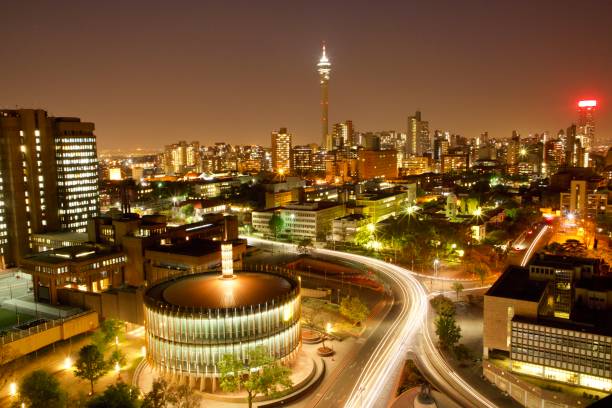
African continent has an economic potential and diversity. With over 1.5 billion people as 2026. The youthful population, increased entrepreneurship levels, innovation and ICT infrastructure, the landscape of growth is indeed rapidly emerging.
African continent has an economic potential and diversity. With over 1.5 billion people as 2026. The youthful population, increased entrepreneurship levels, innovation and ICT infrastructure, the landscape of growth is indeed rapidly emerging.
In 2026, Africa’s economy is expected to surpass $3 trillion with this growth driven by a mix of rich and resourceful nations, consumer markets and fast-growing populations. Traditional economic giants South Africa continue to lead according to the latest International Monetary Fund-IMF rankings but emerging economies driven by diversity, consumer markets and change in economic drivers are closing the gap.
Here are 10 Largest African Economies by Nominal GDP in 2026
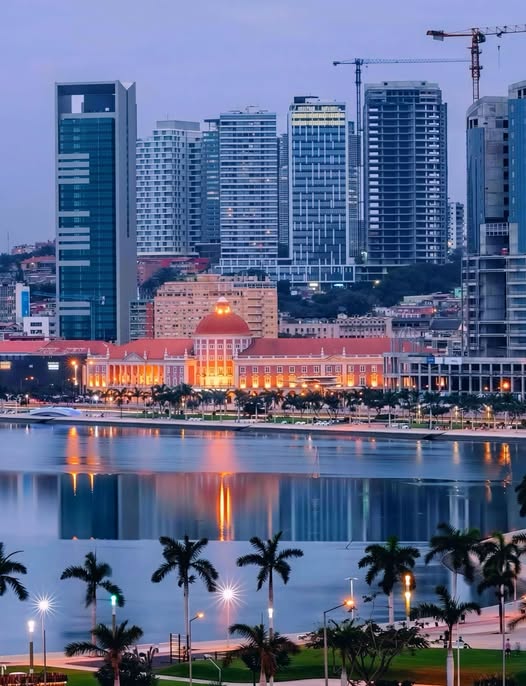
10. Angola – GDP $110 billion.
Angola is one of the leading oil producers and exporters in Africa. The economy depends heavily on production and exportation of oil and petroleum products. Luanda the capital Angola, a home to 10.7 million people, is a regional commercial hub.
Angola is undergoing structural changes to reduce reliance on oil and diversify the economy. Agriculture, e commerce and service sector are some of the fast-rising sectors and contributors to the country’s GDP.
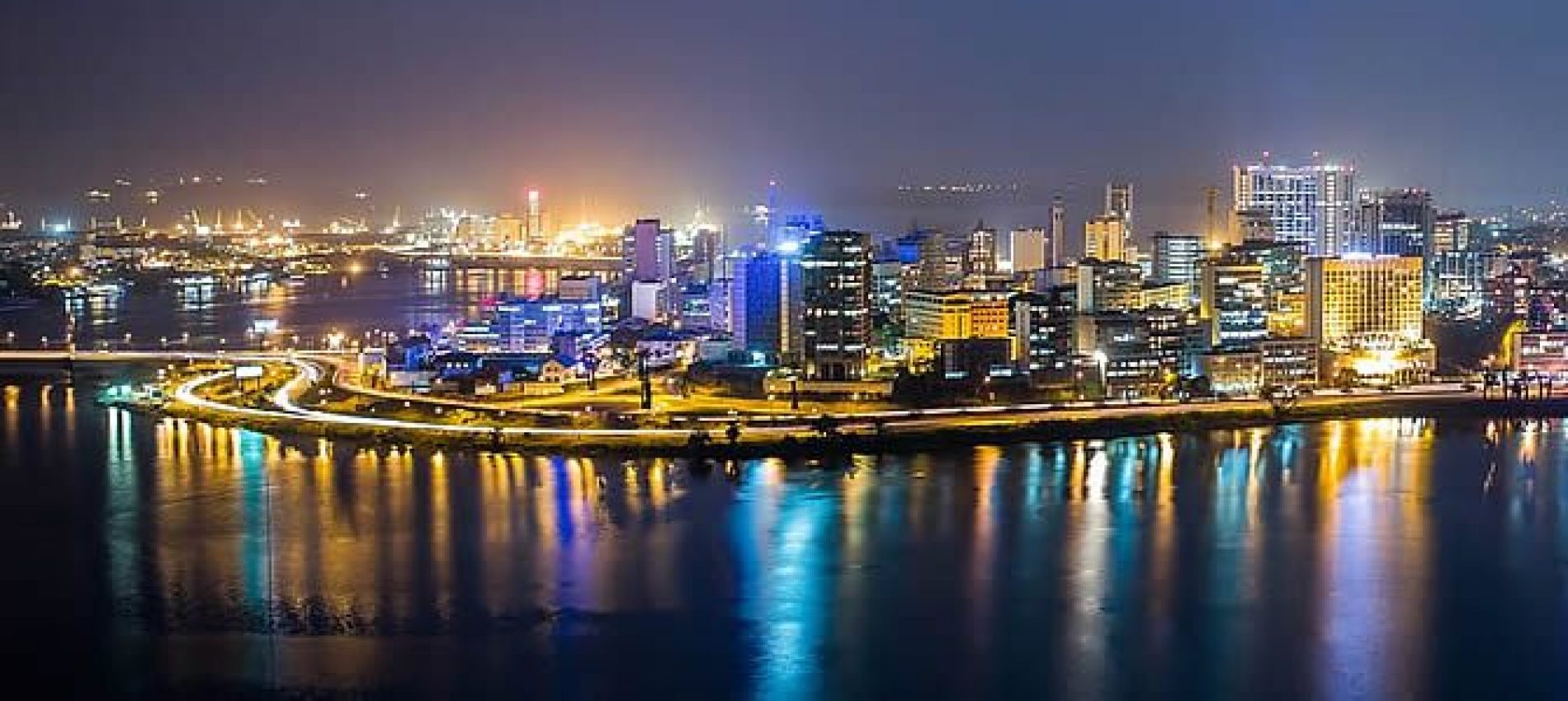
9. Côte d’Ivoire (Ivory Coast) – GDP $111 billion.
Ivory Coast economy is supported by strong agriculture sector. The country is the leading Cocoa producer in the world. Trade and finance are also emerging sectors is Abidjan the largest city and former capital of the country.
Food processing industries and manufacturing industries are also increasing in Ivory Coast.
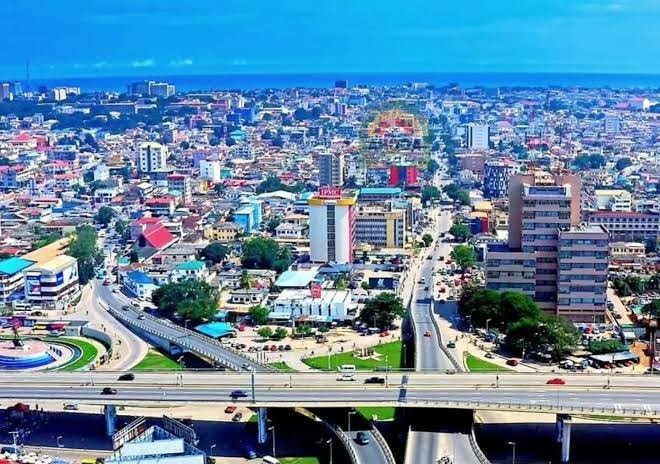
8. Ghana – GDP $113 billion
Ghana economy is fast rising due to natural resources like gold export. Agriculture especially cocoa, manufacturing sector and oil production are among key sectors behind the growth of the country’s economy.
Arts and culture industry, especially movies, sports and music are also contributing to the economy through copyright, remittances and a call for investment in the country.
7. Ethiopia – GDP $126 billion
Ethiopia is the second most populous country in Africa with up to 136m people in 2026. The country’s economy is driven by the population surge which stimulates production and market, investment in infrastructure, manufacturing and value addition in agricultural products.
Addis Ababa the capital of Ethiopia is an administration city with hundreds of multinational organisations including African Union.
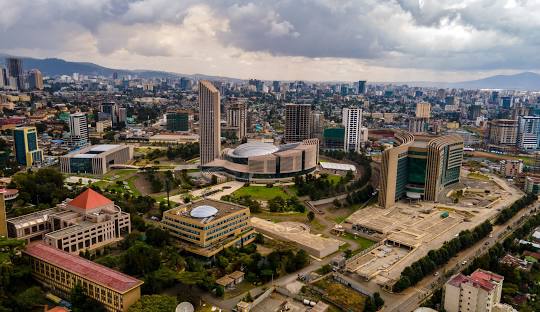
6. Kenya – GDP $141 billion.
Kenya is a regional hub with the economy driven by the fast-rising service sector, logistics, serving as a port for land locked countries of Uganda, Rwanda and of recent South Sudan. The country has a strong manufacturing sector and a technology hub with many start-up companies.
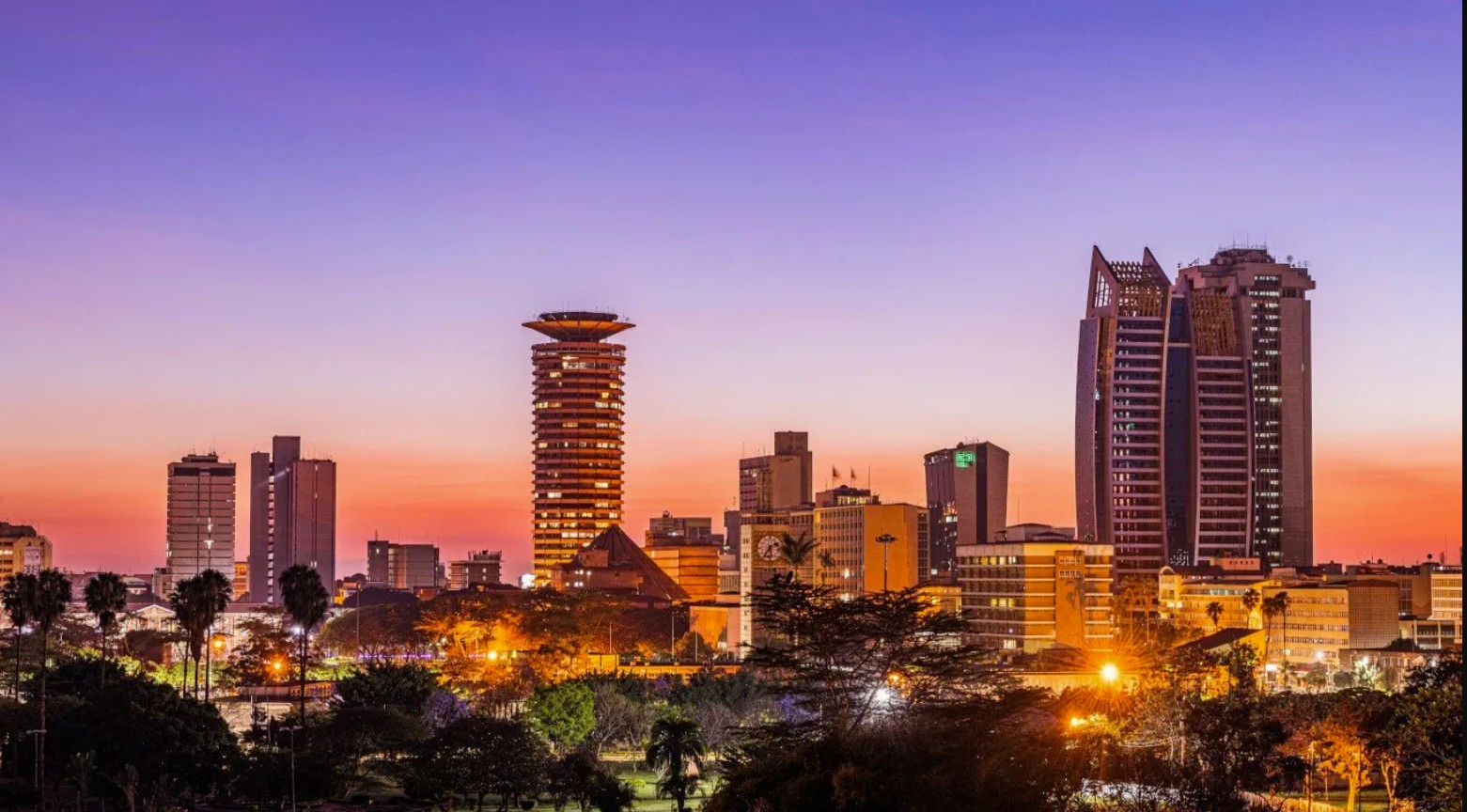
Nairobi the capital of the country is one of the fastest growing cities in Africa, a tourism, financial and tech hub. It is a primate city of Kenya with the remaining cities having thrice less its population.
Agriculture remains the largest employer in the country and Kenya exports Coffee, tea, flowers and fruits among other products. Kenya is the largest economy in Eastern Africa and is a home to Equity Bank and Kenya Commercial Bank the only two East and Central African banks with a balance sheet surpassing $12 billion.
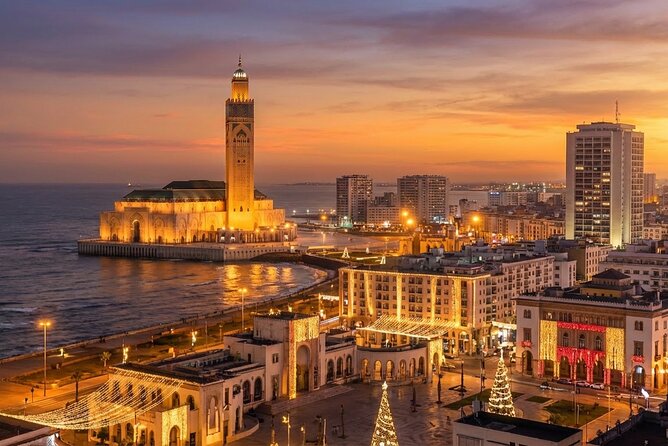
5. Morocco – GDP $196 billion.
Morocco is an advanced economy with a strong industrial base that includes automotive and electronics. The country also exports oil and petroleum products.
Strong industrial base including automotive and electronics, plus tourism and renewable energy contribute to its economic scale.
Morocco is the most visited country in Africa receiving up to 20 million visitors annually. Tourism is big booster to the country’s economy and non-tangible exports.
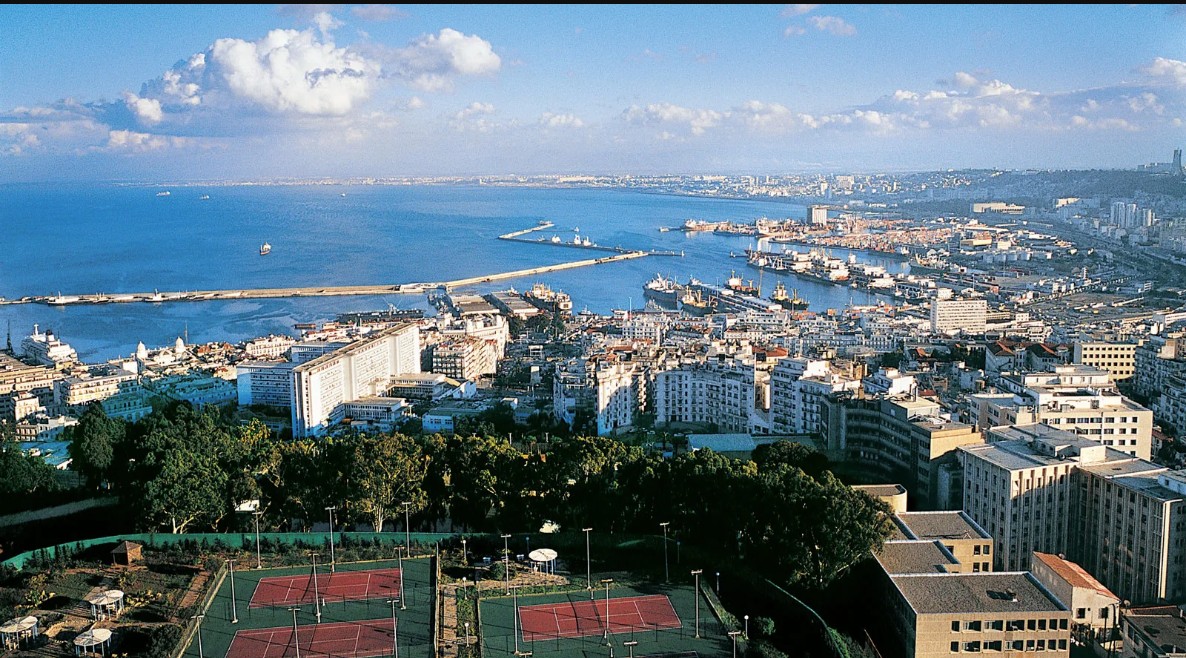
4. Algeria – GDP $285 billion.
Algeria’s economy is dominated by hydrocarbons which constitute 95% of Algeria’s exports. Agriculture and forestry also play a key role in Algeria’s economy. Potato, wheat, water melon, barley, onion, tomato and oranges are all produced in millions of tonnes every year.
Diversification to commercialization of fishing sector given the Mediterranean Sea advantage, mineral exploitation, banking and tourism will continue to push the economy of Africa’s largest country by land area to greater heights.
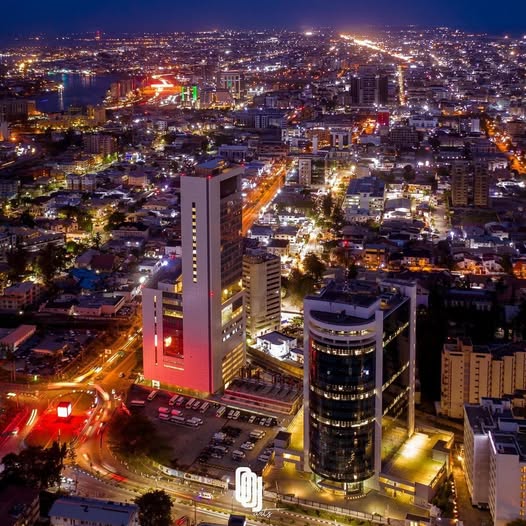
3. Nigeria – GDP $334 billion
Nigeria is Africa’s most populous country with up to 240m people in 2026. The economy is fast rising due to internal market that stimulates production, oil and gas production and the growing digital services.
Africa’s richest man Aliko Dangote with net worth of $28 billion as of 2026 is a Nigerian.
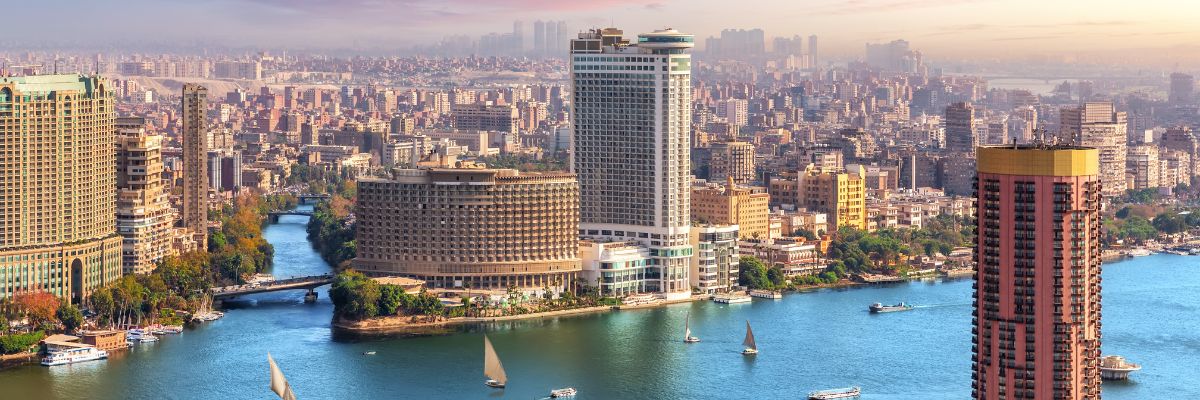
2. Egypt – GDP $400 billion
Egypt is a home to around 112 million people, the 3rd most populous country in Africa. The economy is being driven by large population, Suez Canal, manufacturing, tourism and construction. Egypt is the second most visited country in Africa with tourism contributing up to 12% of the country’s GDP.
Oil and oil products exports, fertilizers and agriculture products are key exports of Egypt’s economy. The country’s capital Cairo is the largest city in Africa by population and a home to various multinational companies including Cairo Bank International and Orascom construction which is active in 25 countries and others.
Egypt is the 6th largest economy in the Middle East.
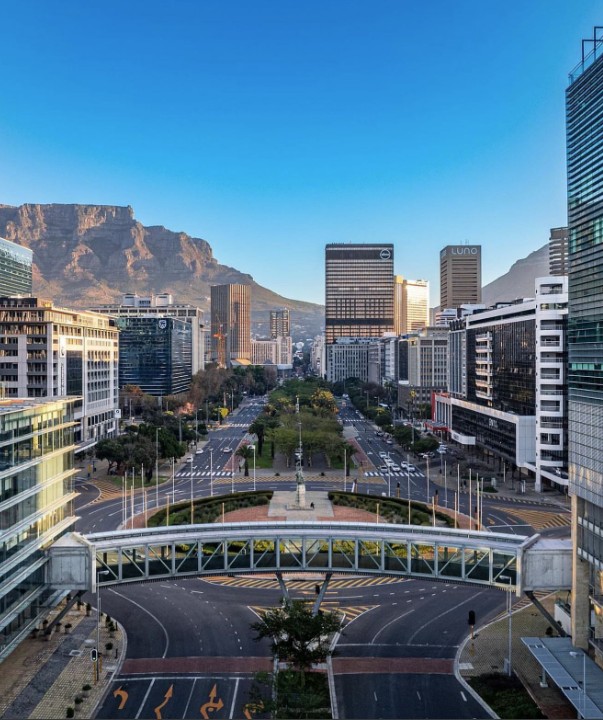
1. South Africa – GDP $444 billion
South Africa has been the largest economy in Africa for decades. The economy is highly diversified with strong mining, manufacturing and financial centres. South Africa the most improved infrastructure of any Sub-Saharan country.
South Africa is a home to various African Multinational companies including ABSA, MTN, MultiChoice, Standard Bank (Stanbic) and Shoprite. Valued at $58 billion, Naspers a South African company is always considered the largest African company by Market Capitalisation. The Johannesburg Stock Exchange is the largest Stock Exchange in Africa with market capitalisation of over $1.48 trillion.
South Africa has one of the highest GDP Per Capita in Africa, highest human development index and highest Foreign direct investment.
As Africa countries continue to grow and rise, there will be a lot of changes in the coming years in the rankings. Some countries like Democratic Republic of Congo are sleeping giants and potential economic powers if stability is attained in the country. These figures help one to understand Africa’s trajectory toward greater influence in the world economy.
: Chheck who are Africa's economic leaders & powerhouses)