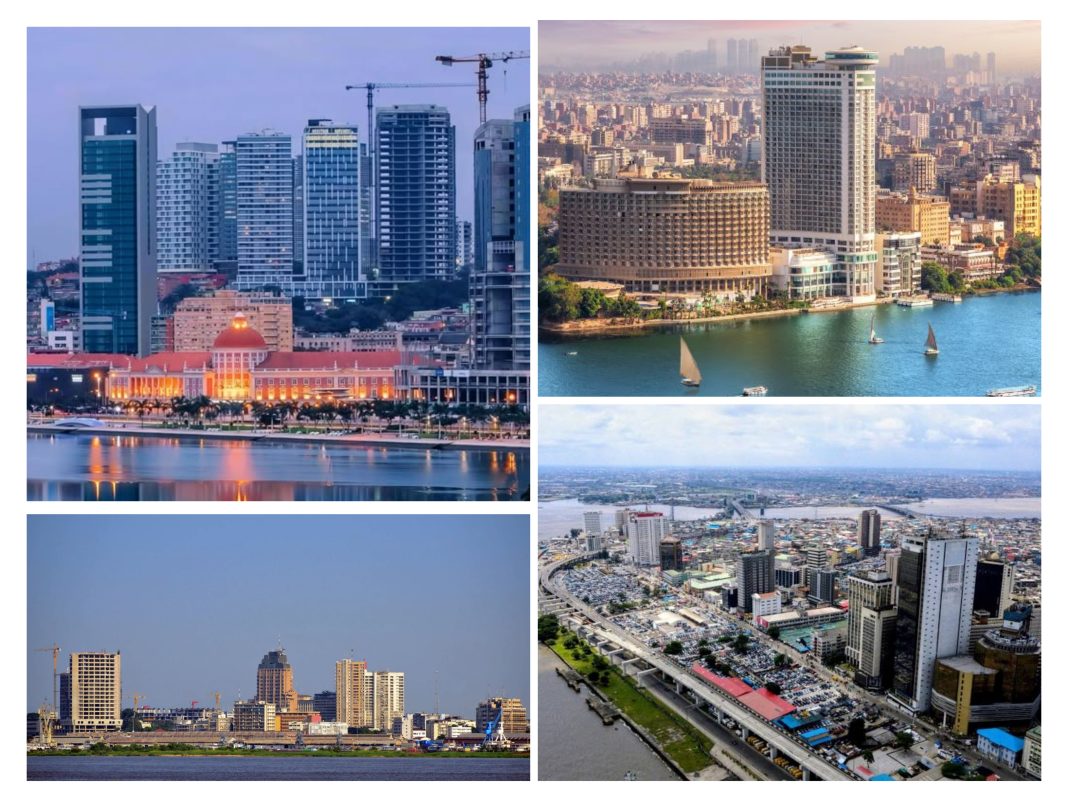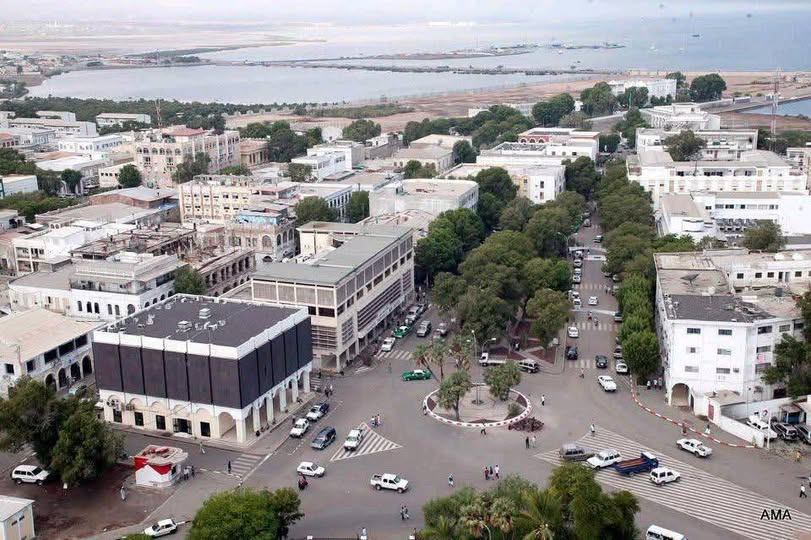

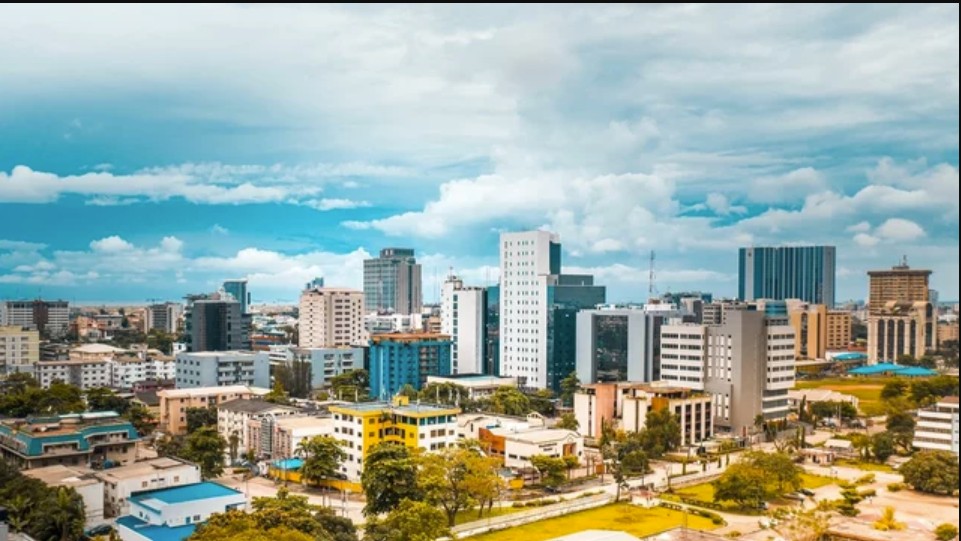
Cities in Africa are swelling with population growing at the fastest rate on the globe. Cities are becoming mega cities on the continent. In some cities, the population is expected to more than double by 2035 rising both curiosity and concern.
From the mega cities of Lagos, Kinshasa and Dar Es Salaam to inland cities of Kampala, Bamako etc., the population boom is at peak. Most cities population growth is sparkled by high birth rates, internal migration and government focus on capital cities forcing most young people to migrate to the capital for opportunities.
In the list below, we rank the fastest growing cities in Africa. Only four of the 10 Largest Cities in Africa made it to the list. The list exhausts all major cities with population above 1 million.
Here are the 10 Fastest Growing Cities in Africa
10. Lagos, Nigeria: 3.8% (Population: 17.8M). Lagos is the largest city in Nigeria. The city has the second highest increase by number of people in the last one year estimated to be at 647,300 which represents 3.77% annual increase.
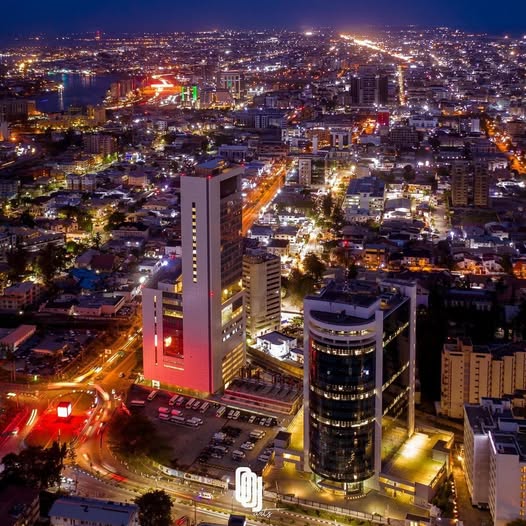
Population increase is as a result of high birth rates, position of Lagos as an economic capital of Nigeria and increased rural urban migration in the country.
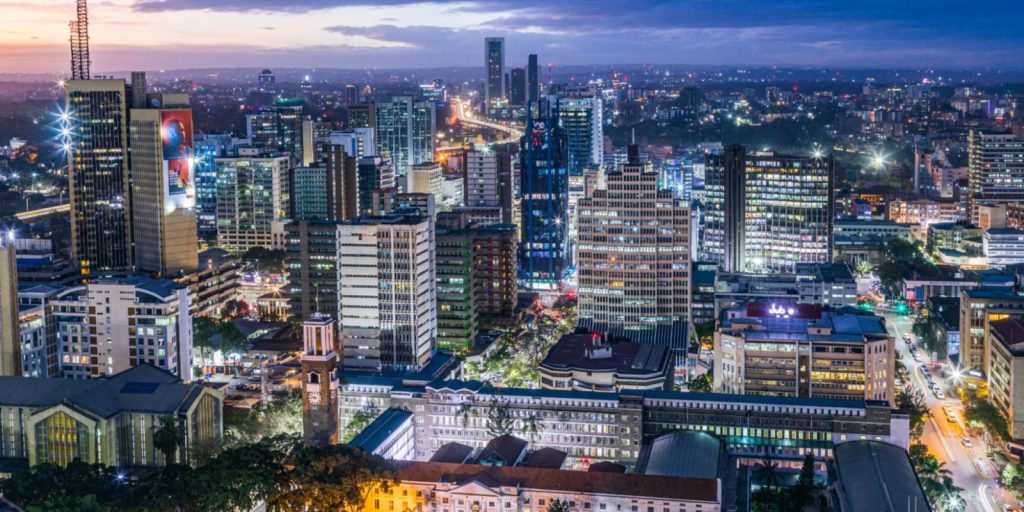
9. Nairobi, Kenya 4.1% (Population: 6 million). Nairobi is the capital and largest city of Kenya in East Africa. The city has an annual growth rate of 4.1% majorly due to high rates of Internal Migration.
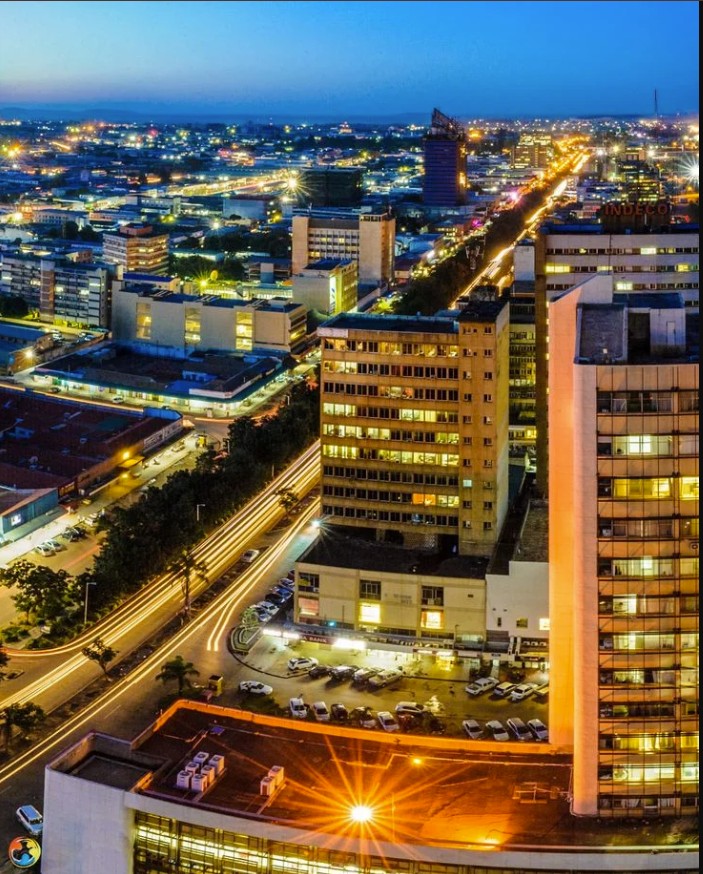
8. Lusaka Zambia 4.3% (3.6 million). Lusaka is the largest and capital city of Zambia. The city is the main financial, educational and cultural centre of the country.
The fast-rising population, just like most other African cities is driven by rural urban migration, the city being the country’s economic hub offering more opportunities to the population.
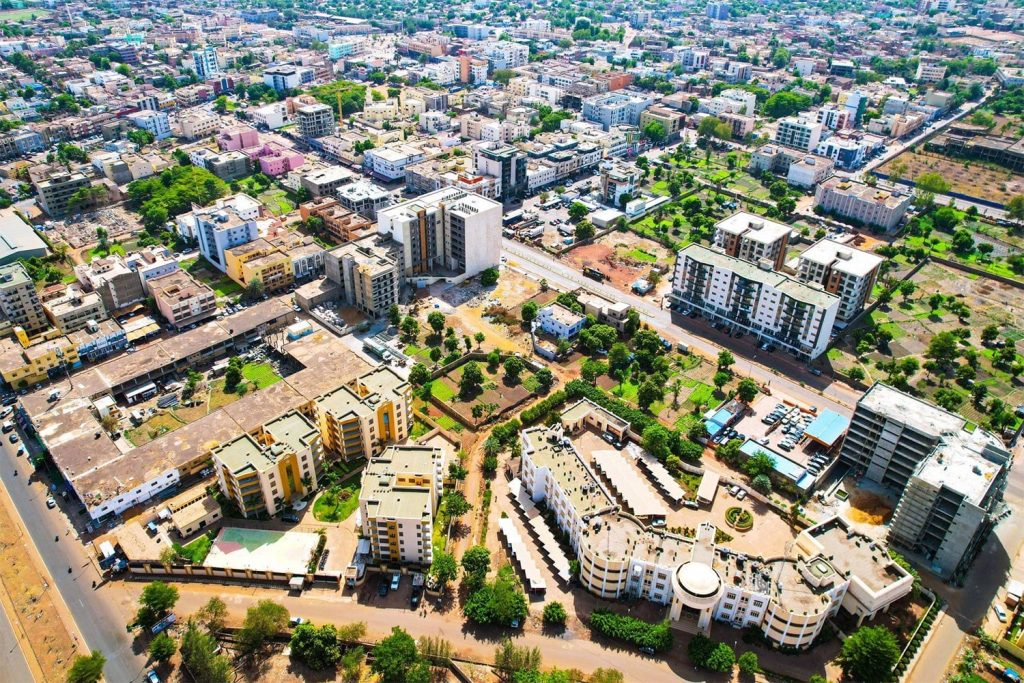
7.Bamako, Mali 4.3% (Population: 3.3 million). Bamako is one of the fastest growing cities in Africa. The city is a home to some of the largest Pan African companies and start-ups including Bank of Africa and the FinTech Wave.
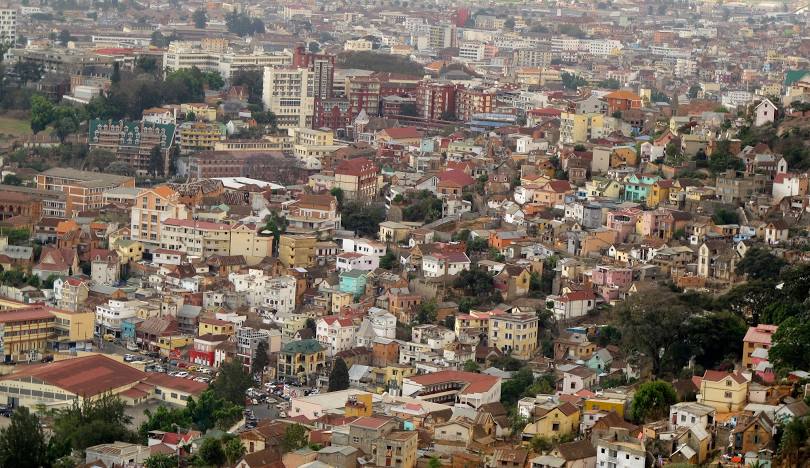
6. Antananarivo, Madagascar 4.4% (Population: 4.4 million). Antananarivo is the capital and largest city of the Island country Madagascar. The city is the main industrial, financial and commercial centre offering opportunities for people all over the island. Tourism is also a key economic activity in the city.
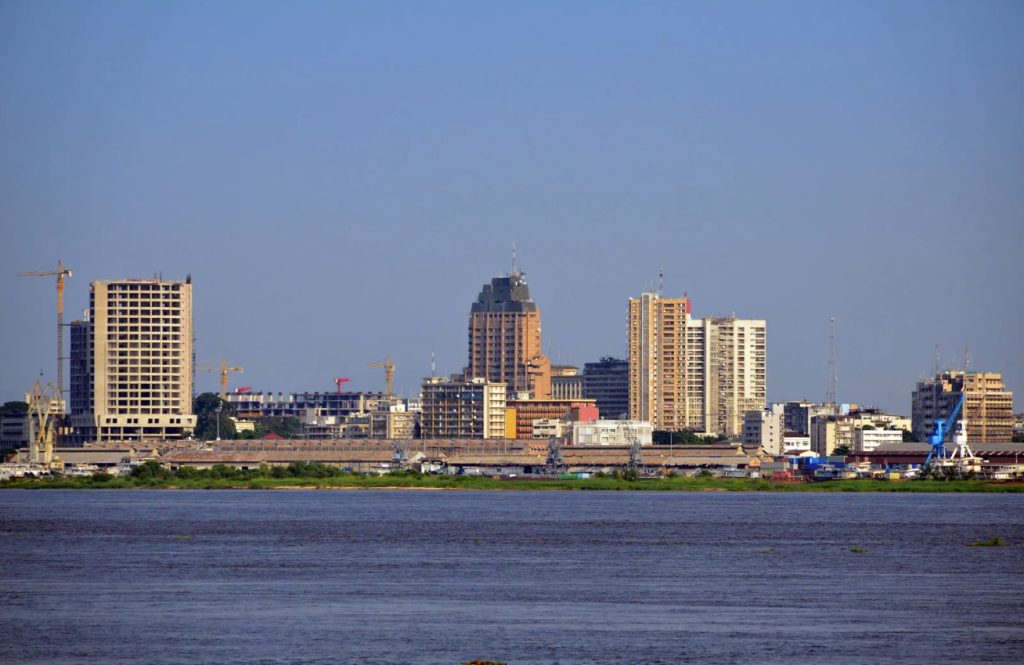
5. Kinshasa, D.R. Congo 4.4% (Population 18.6 million). Intense rural poverty and conflicts in the Democratic Republic of Congo drive people to seek better opportunities in urban areas. Kinshasa added an estimated 774,300 people in the last one year more than any other city in Africa.
Kinshasa is projected to become one of the largest three cities in the world by 2100 alongside Lagos and Dr Es Salaam. The future is Africa!
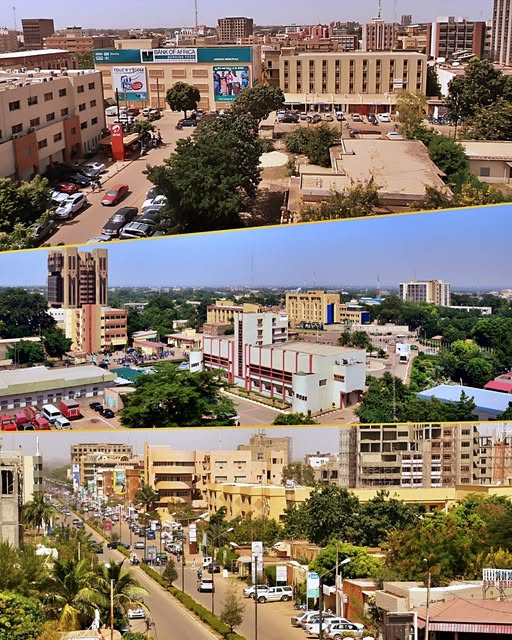
4. Ouagadougou 4.8% (Population: 3.7 million). Ouagadougou is the largest and capital city of Burkina Faso. Designation of the city as the capital city has called for improved infrastructure thus attracting more businesses, factories and service providers which in turn pull more people to the city. With the unrest in the Sahel, more people have been driven to the capital for safety and survival.
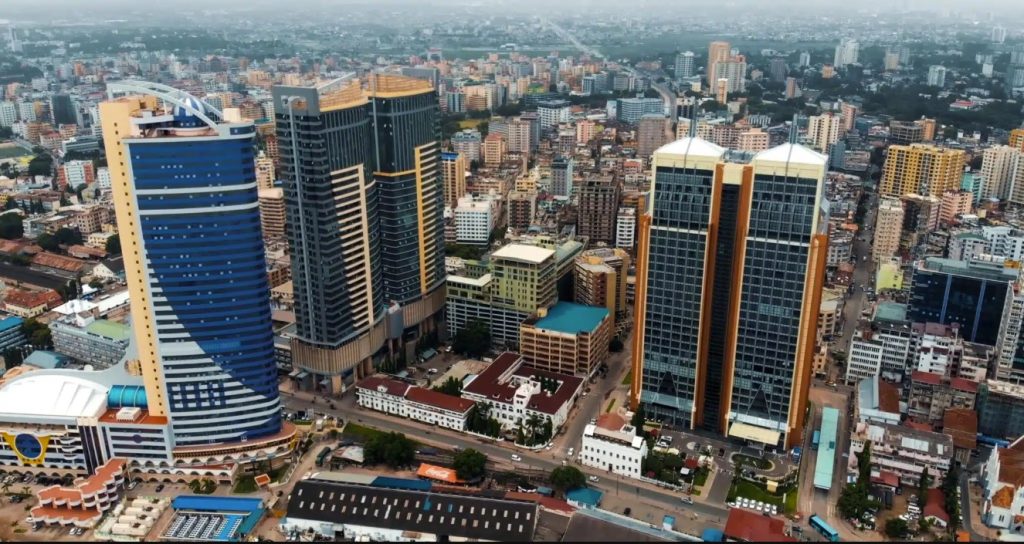
3. Dar Es Salaam: 4.9% (Population: 9 million). Dar Es Salaam is the largest city, the economic hub of Tanzania. Additionally, the city is a large port that serves the land locked countries of Zambia, Malawi, Burundi and Rwanda boosting employment in logistics and attracting more people to the city.
2. Kampala, Uganda 5.3% (Population: 4.5 million). Kampala is the capital and largest city of Uganda, it is the economic, cultural and educational centre of the country. Its location also makes it a gateway to Rwanda, Burundi, South Sudan and Eastern D.R. Congo increasing its importance.
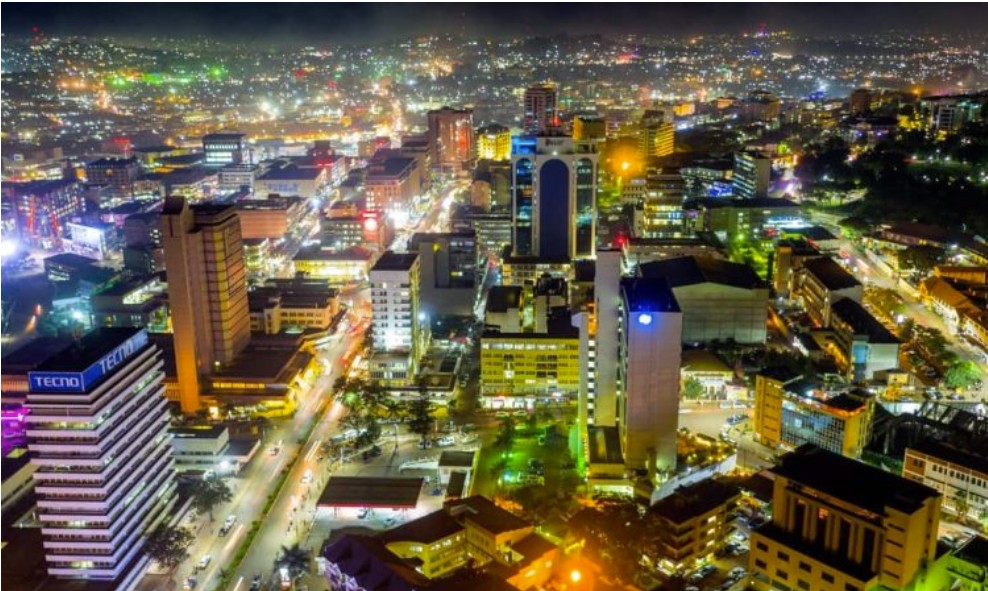
Rural-Urban migration, high birth rates, a youthful population that is attracted to urban areas and also high influx of refugees are some of the reasons behind the fast rise of Kampala’s population.
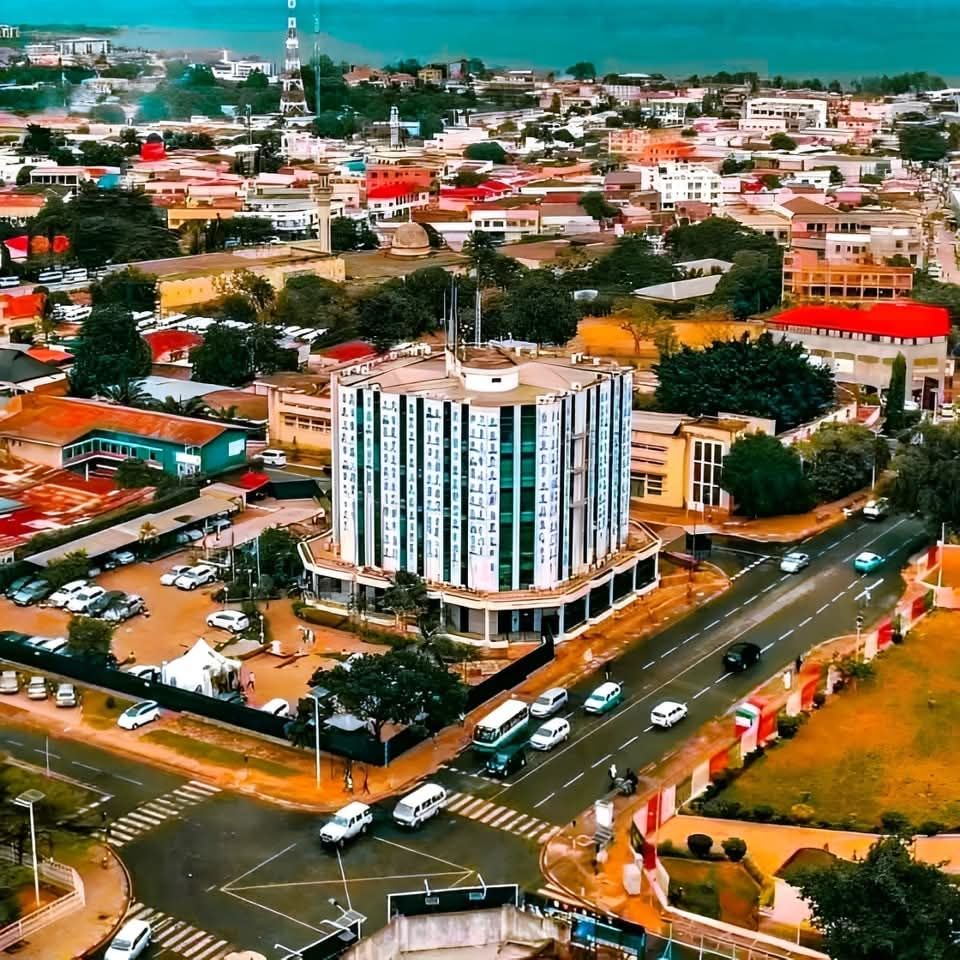
1. Bujumbura, Burundi: 5.6% (Population: 1.4 million). This might have caught you as a surprise, but in one of the smallest African countries by size, in the middle of the continent has a city rising at the fastest rate on the continent.
Bujumbura, the former capital of Burundi is growing at the fastest speed due to increased internal migration. The country is one of the poorest in the world with the GDP Per capital as low as $486 with commercial activity concentrated around the economic capital, forcing tens of thousands of Burundians to seek better opportunities in Bujumbura.
The city’s population is projected to have grown by 120% in 2035 only rivalled by Kampala which is expected to grow at a rate of 115% by 2035.
All things considered, rise in population comes with advantages that include increased labour for companies, market for products spurring production and development. However, it comes with a lot of disadvantages which include unemployment, slum development, increased crime rates, pressure on existing infrastructure and increased demand to existing services so often leading to inflation especially in housing units and food leading to high cost of living.
Luanda, Angola for instance, with population of 10.4 million, is the most expensive city for expatriates in the whole world, various suburbs of Kampala like Kasokoso and Nansana are developing into big slums while in Nairobi, the rate of youths’ unemployment is as high as 15% far above the national rate while 81% of the city’s work force is employed in the informal sector most of the time masking underemployment.
There is a need for African countries to control the growth of cities by opening rural areas to commerce reducing the need for young people to seek opportunities in the urban centres.